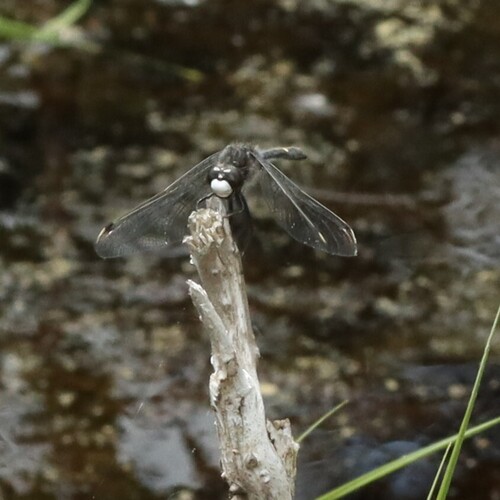
Painted Turtle

Escape to the serene beauty of Lowell Holly Reservation, a 135-acre natural sanctuary nestled on a scenic peninsula between Mashpee and Wakeby Ponds in Massachusetts.
Escape to the serene beauty of Lowell Holly Reservation, a 135-acre natural sanctuary nestled on a scenic peninsula between Mashpee and Wakeby Ponds in Massachusetts. This exceptional preserve, managed by The Trustees of Reservations, offers a unique blend of old-growth forest and cultivated horticultural splendor, making it a captivating destination for nature lovers. It's named for its impressive stands of native American holly trees and features a tranquil ambiance perfect for unwinding and reconnecting with the natural world.
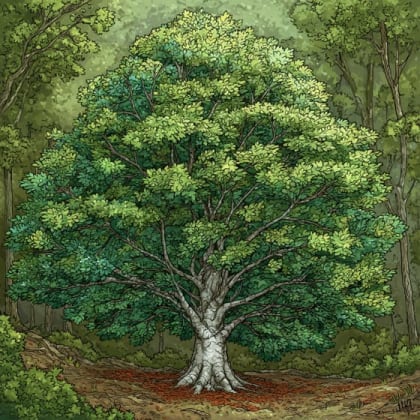
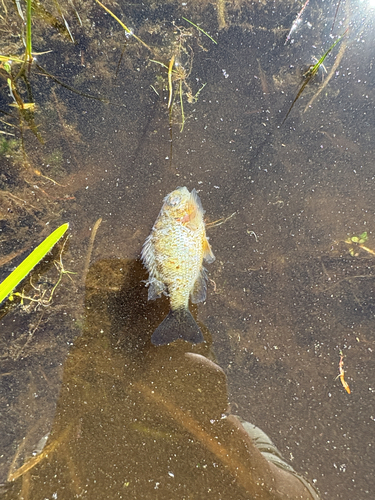
Wander through four miles of picturesque carriage roads and foot trails that wind past majestic old-growth American beech woodlands and vibrant groves of American holly. In June, the reservation explodes with color from scattered plantings of rosebay and Catawba rhododendrons, along with mountain laurel. The trails offer spectacular views of the surrounding Mashpee and Wakeby Ponds, leading to scenic spots like Conaumet Point, where you can gaze across the water to distant islands. Visitors can also enjoy a small swimming beach on Wakeby Pond, or observe waterfowl and fish that inhabit the stocked waters.
Lowell Holly Reservation provides a refreshing escape with its diverse ecosystems and peaceful atmosphere. Whether you seek a leisurely stroll, an invigorating hike, or a quiet spot for birdwatching and photography, this reservation delivers a memorable experience year-round. Its combination of rare old-growth forest, deliberate botanical enhancements, and stunning waterfront vistas makes it an unmissable destination for those exploring the natural beauty of Cape Cod. Eager to name that creature? Identify any animal you find during your visit using the Snappit app.
The Lowell Holly Reservation owes its name and much of its unique character to Abbott Lawrence Lowell, a former president of Harvard University and its generous donor. Lowell acquired the property and, driven by his horticultural interests, embellished the landscape with plantings of rosebay and Catawba rhododendrons, and mountain laurel. He bequeathed the 135-acre property to The Trustees of Reservations in 1943, with the specific intent of preserving its outstanding flora. This vision was further enriched in 1949 when Wilfred Wheeler Sr., a former Massachusetts Secretary of Agriculture and a prominent member of the American Holly Society, added over 50 varieties of American holly, establishing the reservation as one of the northernmost study grounds for this distinctive tree.
Hiking, nature walks, birdwatching, picnicking, photography, fishing (ponds are stocked), and swimming at the beach.
Spring/Early Summer: Rhododendrons and mountain laurel are in bloom. Wildlife is active.
Summer: Enjoy swimming and cooling off in the ponds. Seasonal parking gate operates, offering closer access to the beach.
Fall: Spectacular fall foliage, especially the golden American beech trees and colorful deciduous plants.
Winter: The bright red berries of the American holly provide a festive contrast against the winter landscape.
The trails include carriage roads and footpaths, but some paths have elevation changes and can be uneven with roots. While The Trustees of Reservations generally works to improve accessibility, Lowell Holly is not explicitly listed as wheelchair-accessible, suggesting that full access may be challenging for all mobility levels.
Explore the extensive stands of native American holly, especially striking when adorned with bright red berries in winter.
Walk among impressive, mature beech trees that form a rare old-growth forest on Cape Cod.
Discover numerous scenic viewpoints along the four miles of trails offering expansive vistas of the two large ponds.
Hike to the tip of this peninsula for exceptional views across Wakeby Pond, including Keith and Cleveland Islands.
Each card links to a full Explore page with photos, traits, and fun facts.
Start with the big picture, then zoom in to explore individual wildlife observations around this place.
Footwear
** Wear sturdy, comfortable shoes, as trails can be uneven and rooted in places.
Leashed Dogs
If bringing your dog, ensure it remains on a leash, as required by the reservation.
Swimming Safety
Note that there are no lifeguards at the swimming beach on Wakeby Pond; swim at your own risk.
Parking Options
There are two parking areas. The year-round lot (6 cars) is further from the ponds, while the seasonal lot (20 cars) offers closer access to the beach and operates from Wednesday to Sunday, 9 am to 5 pm, from Memorial Day to Labor Day. Consider using the seasonal lot when available for shorter walks to the water.
Holly Berries
Be aware that the bright red berries of the American holly are poisonous to humans, although some birds and animals consume them.
Hydration & Snacks
Bring water and any snacks you might need, especially for longer hikes, as facilities are limited within the reservation.
Jun 2, 2026
Photo attribution
(c) Elana Feldman, some rights reserved (CC BY-SA)
License: CC BY-SA 4.0 ↗
Image may be shown cropped inside the card frame.
May 29, 2026
Photo attribution
(c) Jake McCumber, some rights reserved (CC BY)
License: CC BY 4.0 ↗
Image may be shown cropped inside the card frame.
May 29, 2026
Photo attribution
(c) Jake McCumber, some rights reserved (CC BY)
License: CC BY 4.0 ↗
Image may be shown cropped inside the card frame.
May 29, 2026
Photo attribution
(c) Jake McCumber, some rights reserved (CC BY)
License: CC BY 4.0 ↗
Image may be shown cropped inside the card frame.
May 29, 2026
Photo attribution
(c) Jake McCumber, some rights reserved (CC BY)
License: CC BY 4.0 ↗
Image may be shown cropped inside the card frame.

Maryland, US
You might spot White-Tailed Deer and Eastern Gray Squirrel.
View guide →
.jpg)
District of Columbia, US
You might spot Eastern Gray Squirrel, Duck, and House Sparrow.
View guide →

Illinois, US
You might spot American Robin, Canada Goose, and House Sparrow.
View guide →

Virginia, US
You might spot Spotted Lanternfly and Northern Cardinal.
View guide →
Take the discovery with you
Identify the wildlife you spot, learn as you go, and keep a collection of the adventure.