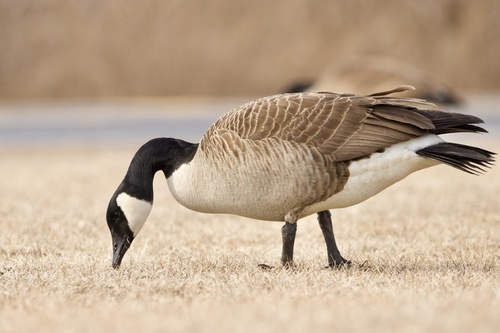
Canada Goose
Stony Brook Wildlife Sanctuary offers an immersive natural escape in Massachusetts.
Stony Brook Wildlife Sanctuary offers an immersive natural escape in Massachusetts. This Mass Audubon sanctuary, spanning over 107 acres in Norfolk, provides a protected haven of diverse habitats, including wetlands, forests, and meadows, all centered around the scenic Stony Brook. It's especially celebrated for its accessible boardwalk system, allowing visitors of all abilities to intimately connect with nature and observe wildlife up close.
The sanctuary features an extensive network of well-maintained trails, including a universally accessible boardwalk that glides over Teal Marsh and Kingfisher Pond, providing prime viewing opportunities for Painted Turtles basking, Great Blue Herons fishing, and Wood Ducks paddling. The Sensory Trail, equipped with Braille signage, offers an inclusive experience, guiding visitors through woodland and wetland habitats. A charming butterfly garden bursts with color and life in warmer months, attracting a variety of insects and birds, while the Nature Center houses educational exhibits and even a resident pet turtle.
Visiting Stony Brook Wildlife Sanctuary is a memorable experience, offering a peaceful retreat and a chance to witness the rhythms of nature. Whether you're seeking a quiet stroll, an educational adventure for the family, or exceptional birdwatching and photography opportunities, the sanctuary's blend of accessible features, diverse wildlife, and scenic beauty makes it a truly special destination year-round. It's a place where every season reveals new wonders, from vibrant spring wildflowers to stunning fall foliage and serene winter landscapes. Be ready to snap and learn! Get the Snappit app to identify any nature species you find here.
Stony Brook Wildlife Sanctuary was established in 1963 and is owned by the Massachusetts Audubon Society. The land itself holds historical significance, as it was once an 18th-century mill site, with remnants like a picturesque waterfall still visible today. The sanctuary's property, along with the adjacent 140-acre Bristol Blake State Reservation, is cooperatively managed by Mass Audubon and the Department of Conservation and Recreation (DCR). The Massachusetts Audubon Society, a leading conservation organization, was notably founded in the late 19th century by Harriet Hemenway and Mina Hall, who were driven by a concern for the impact of the feather trade on bird populations.
Enjoy gentle hiking, observe a wide array of bird species (such as Great Blue Herons, Wood Ducks, and migratory songbirds), look for basking Painted Turtles, Muskrats, River Otters, Frogs, and White-tailed Deer. Engage in nature photography, participate in educational programs offered by Mass Audubon, or simply relax at one of the many benches along the trails.
Spring: Witness an explosion of native wildflowers and the return of migratory birds. Wildlife, including Frogs and Snakes, becomes very active.
Summer: The butterfly garden is in full bloom, attracting numerous butterflies and dragonflies. Lush greenery provides a cool canopy over many trails.
Fall: The sanctuary transforms with vibrant fall foliage, offering stunning photographic opportunities. Animals are often more visible as they forage for winter, and other migratory birds pass through.
Winter: Experience serene, quiet trails blanketed in snow, with opportunities to spot animal tracks and bird nests that were hidden by leaves.
Stony Brook Wildlife Sanctuary is highly accessible, featuring universally accessible trails and boardwalks suitable for wheelchairs and strollers. The Sensory Trail is designed for visitors with visual impairments, offering Braille signage and tactile elements. The Nature Center provides borrowable adaptive equipment, including all-terrain wheelchairs, rollator walkers, seat canes, binoculars, and audio players, along with ADA-compliant facilities and an EV charging station.
The universally accessible boardwalk system over Teal Marsh and Kingfisher Pond, the interactive Sensory Trail with Braille signage, the charming waterfall at the old mill site, and the Nature Center with its educational exhibits and resident pet turtle. Don't miss the vibrant butterfly garden during warmer months.
Each card links to a full Explore page with photos, traits, and fun facts.
Start with the big picture, then zoom in to explore individual wildlife observations around this place.
Dress appropriately
Wear sturdy, comfortable hiking shoes and bring layers of clothing, especially during transitional seasons, as weather can change quickly.
Bring optics and a camera
Binoculars are essential for birdwatching, and a camera with a good zoom lens will allow you to capture stunning wildlife photos.
Visit the Nature Center first
Stop here upon arrival to pick up trail maps, inquire about recent wildlife sightings, and get recommendations from staff.
Pack snacks and water
There are no food services available on-site, so come prepared with your own refreshments.
Consider weekday mornings
For the most tranquil experience and best opportunities to observe active wildlife, plan your visit for a weekday morning.
Respect the wildlife
Stay on marked trails, maintain a respectful distance from animals, and avoid feeding them to preserve their natural behaviors.
Jan 14, 2026
Photo attribution
(c) John Baur, some rights reserved (CC BY)
License: CC BY 4.0 ↗
Image may be shown cropped inside the card frame.
Jan 14, 2026
Photo attribution
(c) John Baur, some rights reserved (CC BY)
License: CC BY 4.0 ↗
Image may be shown cropped inside the card frame.
Jan 14, 2026
Photo attribution
(c) John Baur, some rights reserved (CC BY)
License: CC BY 4.0 ↗
Image may be shown cropped inside the card frame.
Jan 14, 2026
Photo attribution
(c) John Baur, some rights reserved (CC BY)
License: CC BY 4.0 ↗
Image may be shown cropped inside the card frame.
Jan 14, 2026
Photo attribution
(c) John Baur, some rights reserved (CC BY)
License: CC BY 4.0 ↗
Image may be shown cropped inside the card frame.

Maryland, US
You might spot White-Tailed Deer and Eastern Gray Squirrel.
View guide →
.jpg)
District of Columbia, US
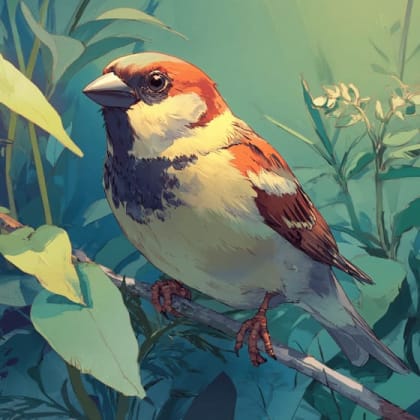
You might spot Eastern Gray Squirrel, Duck, and House Sparrow.
View guide →

Illinois, US
You might spot American Robin, Canada Goose, and House Sparrow.
View guide →

Virginia, US
You might spot Spotted Lanternfly and Northern Cardinal.
View guide →
Take the discovery with you
Identify the wildlife you spot, learn as you go, and keep a collection of the adventure.