





shingle moss
Neckera pennata
Shingle moss is a soft, green plant that grows on rocks and trees. It looks like tiny green shingles and helps keep the environment healthy by holding water and providing homes for tiny creatures.
Habitat: Forests
The shingle moss has flattened, overlapping leaves that create a smooth, tile-like mat. It typically appears a glossy, bright green when wet, dulling to an olive or brownish-green when dry, often found clinging to tree bark.
Category
PlantsRarity
Common
Danger
1/5 · Very low
Snaps
Be the first to snap!
If you look closely, shingle moss creates a miniature forest, providing homes for tiny insects and water bears!
Instead of seeds, shingle moss releases incredibly tiny spores into the wind, like microscopic dust, to reproduce!
Mosses, like shingle moss, do not have true roots; instead, they use tiny rhizoids to anchor themselves!
Shingle moss helps prevent soil erosion by holding moisture and soil particles in place, especially on slopes.
Shingle moss can absorb water directly through its leaves, acting like a sponge to quickly soak up rain and dew.
Shingle moss can completely dry out and appear lifeless, but it can revive and become green again when moisture returns.
Shingle moss has specialized structures that allow it to firmly attach to rough surfaces like tree bark and rocks.
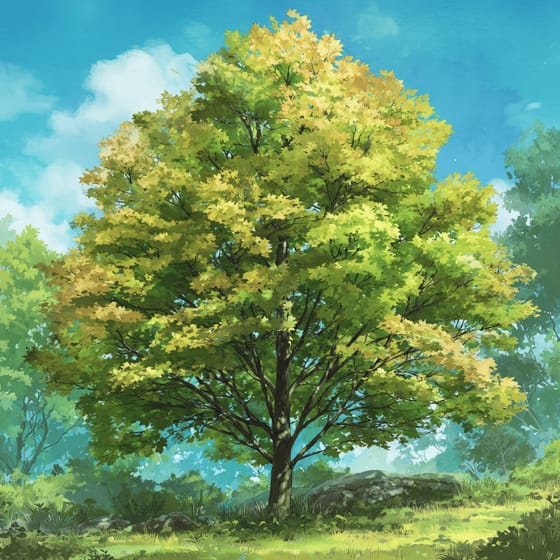
Acer saccharum
Often grows epiphytically on the bark of this tree.
Arion rufus
These slugs may graze on mosses like shingle moss.
Ramazzottius varieornatus
Moss mats provide a microhabitat for these tiny 'water bears'.
Isotoma viridis
Springtails often live among mosses, finding food and shelter.
This trait characterizes plants lacking specialized vascular tissues (xylem and phloem) for transporting water and nutrients.
Shade tolerant plants are adapted to grow and thrive in areas with low light levels, requiring less direct sunlight.
Describes organisms that break down dead organic material, recycling nutrients back into the ecosystem.
Forest habitats are terrestrial environments dominated by dense tree cover, supporting a high diversity of plant and animal life.

Describes a species whose presence and role have a disproportionately large effect on its environment.
No aliases listed yet.
Danger
1/5 · Very low
It's safe to touch, but be gentle and don't pull it off the rocks or trees.
The easiest way to identify shingle moss is to use the Snappit nature identifier app.
2-10 cm
5-30 cm
No
None
Perennial
Forests
Zoom in to split clusters and explore where this object has been snapped.
Recent snaps will appear here as new observations are added.
Take the discovery with you
Snap it with Snappit to identify it, learn what makes it special, and add the discovery to your collection.








.jpg&width=800)



_001.jpg&width=800)



