





Shining Crane's-bill
Geranium lucidum
The Shining Crane's-bill is a lovely little plant with bright green leaves and pretty flowers. It loves to grow in sunny spots and can often be found in gardens and meadows.
Habitat: Urban areas
The Shining Crane's-bill has distinctive, glossy, deep green leaves often tinged with vibrant red. Its small, five-petaled flowers are bright pink to purplish-red, appearing singly or in pairs. The slender stems are frequently reddish, making it stand out.
Category
PlantsRarity
Common
Danger
1/5 · Very low
Snaps
2
It often turns fiery red in autumn or bright sun, putting on a colorful show.
Its unique fruit looks just like a tiny bird's beak, hence its quirky name!
Some people call it a 'sticky geranium' because its stems feel slightly fuzzy.
This plant can grow in cracks of walls and rocks, seemingly without much soil!
Shining Crane's-bill has a 'crane's beak' fruit that explosively flings seeds far away for dispersal.
Its incredibly glossy leaves help reflect harsh sunlight, protecting the plant from drying out and overheating.
The plant can turn its leaves and stems bright red, which acts like a natural sunscreen against intense light.
Apis mellifera
Visits flowers to collect nectar and pollen.
Bombus terrestris
An important pollinator, attracted to its pink blooms.

Helix aspersa
Snails often graze on its leaves and stems.
Arion vulgaris
Slugs can feed on its foliage, especially young plants.
Deciduous plants periodically shed all their leaves, typically during autumn or dry seasons.
Flowering plants are any plants that produce flowers as part of their reproductive cycle.
Ornamental plants are cultivated primarily for their aesthetic appeal, enhancing landscapes and gardens with their attractive foliage, flowers, or form.
Fragrant flowers emit a pleasant aroma, often to attract pollinators or for defense.

Edible plants are those parts of a plant that are considered safe for human consumption.

Describes plants that are particularly attractive and beneficial to a wide range of pollinating organisms.

This habitat trait indicates species that can coexist with humans in urban and suburban environments, utilizing man-made structures and green spaces.
No aliases listed yet.
Danger
1/5 · Very low
Always look but don't touch plants without asking an adult.
The easiest way to identify Shining Crane's-bill is to use the Snappit nature identifier app.
10-40 cm
15-30 cm
0.5-1 cm
Spring-early summer
No
None
Biennial
Zoom in to split clusters and explore where this object has been snapped.

Oregon, US
You might spot Rough-Skinned Newt and Isabella Tiger Moth.
View guide →
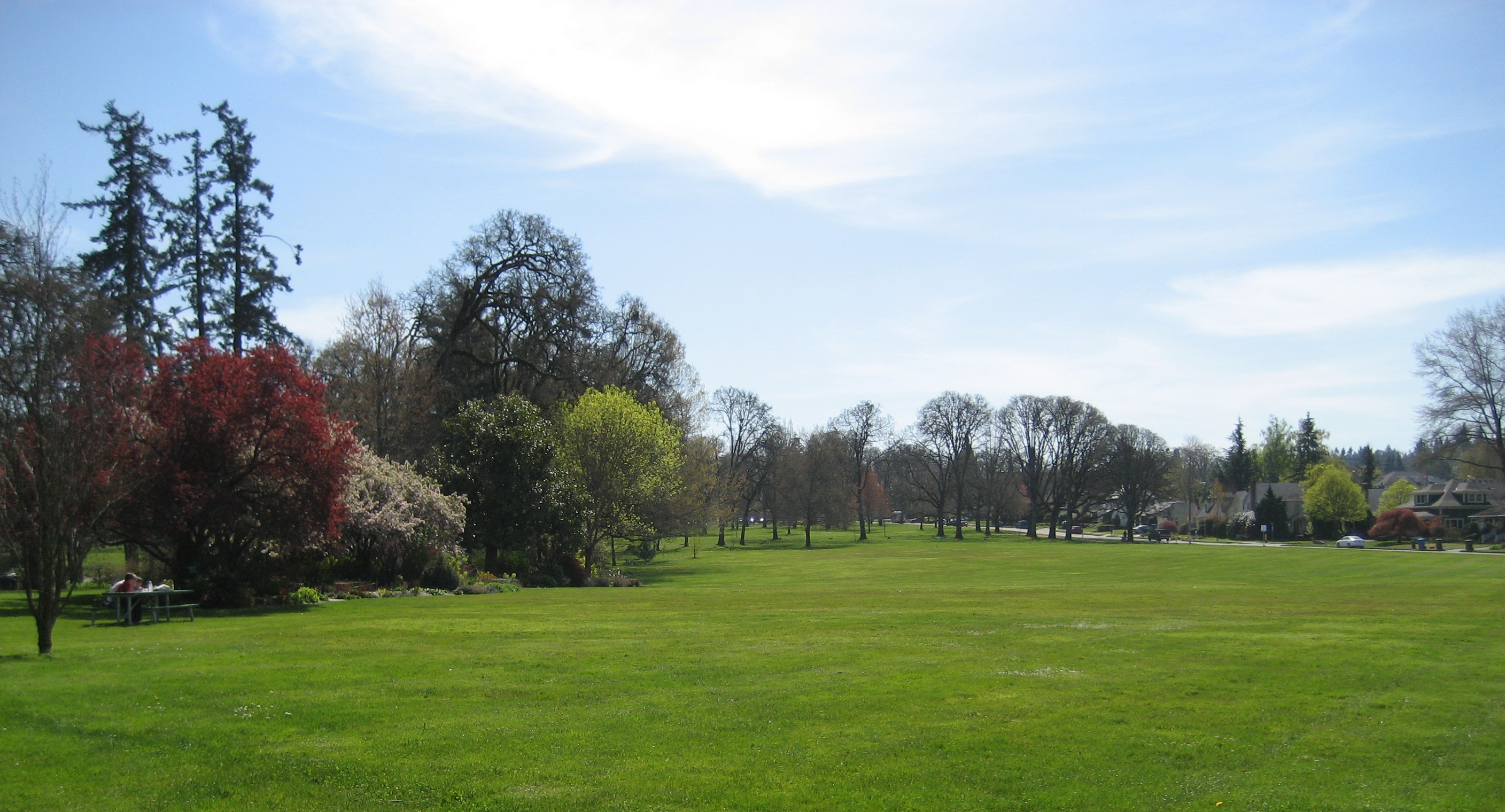
Oregon, US
You might spot Oregon Oak and Douglas's Ground Squirrel.
View guide →

Oregon, US
You might spot Tree-Of-Heaven, Duck, and Canada Goose.
View guide →

Oregon, US
You might spot Green Alkanet, Western Sword Fern, and Pacific Banana Slug.
View guide →

Oregon, US
You might spot Western Sword Fern, Duck, and Black-Tailed Bumble Bee.
View guide →
Take the discovery with you
Snap it with Snappit to identify it, learn what makes it special, and add the discovery to your collection.







.jpg&width=800)


_001.jpg&width=800)



