

Shining Pepperweed
lepidium nitidum
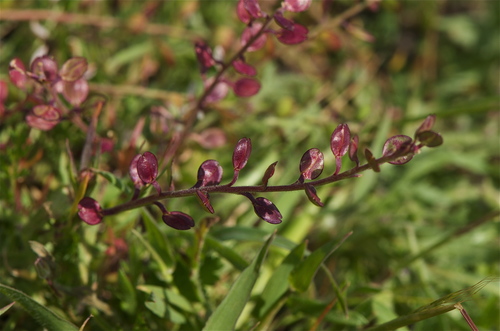
Lepidium nitidum, commonly known as the Shining Pepperweed, is a delicate and fast-growing annual herb native to the western coast of North America. As a member of the mustard family, it adds a spicy, peppery kick to the local ecosystem and serves as a vital early-season resource for small pollinators. This unassuming plant is often one of the first to bloom in late winter and early spring, carpeting open grasslands and oak woodlands with a flurry of minuscule white flowers. What makes the Shining Pepperweed particularly delightful is its glossy, disk-shaped seed pods, which catch the spring sunlight and often take on a striking reddish-purple hue as they mature.
Habitat: Found in open, sunny environments such as grassy hillsides, chaparral, oak woodlands, and disturbed soils across western North America.
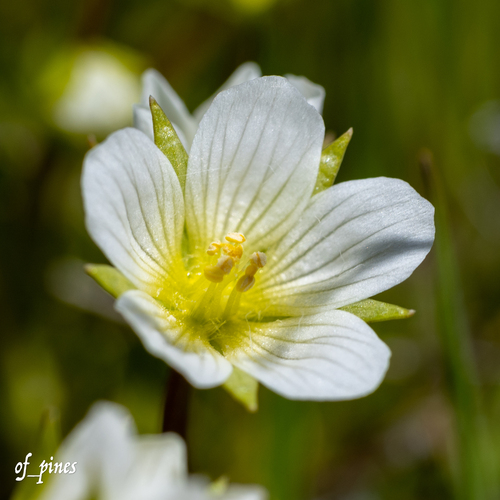
Shining Pepperweed is a small, slender plant typically reaching between 5 and 40 centimeters in height. It features deeply lobed, pinnate leaves that grow primarily near the base of its thin, branching stems. The plant produces dense racemes of tiny, four-petaled white flowers that are highly characteristic of the mustard family. Its most distinctive visual feature is its fruit: flattened, round to oval seed pods (silicles) that are distinctly glossy or shining, often bordered with a purplish or reddish tint and featuring a minute notch at the tip.
Category
PlantsRarity
Common
Danger
1/5 · Very low
Snaps
Be the first to snap!
Its seeds pack a remarkably strong, peppery flavor and have been historically gathered as a wild substitute for black pepper.
Like many mustards, its sharp chemical defense system backfires against specialized insects like the Cabbage White butterfly, which use the peppery scent to track down their host plants.
Shining Pepperweed is a notoriously early bloomer, sometimes flowering as early as February to take advantage of wet winter soils.
The specific epithet 'nitidum' comes from Latin meaning 'shining', directly referencing its glossy, light-reflecting seed pods.
Completes its entire life cycle from germination to seed production rapidly during the brief, moist spring before the hot, dry summer sets in.
Produces potent glucosinolates, giving its tissues a sharp, peppery taste that actively deters many generalist mammalian and insect herbivores.
Produces abundant seeds that can remain dormant in the dry soil for years, waiting for ideal winter rainfall to trigger mass germination.
As a photosynthetic plant, Shining Pepperweed produces its own food using sunlight, water, and atmospheric carbon dioxide.
Pieris rapae
Caterpillars feed on the leaves and seed pods, as they are specifically adapted to digest plants containing glucosinolates.

Toxomerus marginatus
Small hoverflies frequently visit the tiny white flowers to feed on nectar, acting as incidental pollinators.
Brassica nigra
Competes for sunlight, water, and soil nutrients in similar disturbed grassy habitats.
No trait badges are assigned for this object yet.
No aliases listed yet.
Collections for this object will appear here as more themes are added.
Danger
1/5 · Very low
No special safety notes yet.
Start with the whole plant, then compare leaf arrangement, leaf edges, stems and any flowers or fruit. Opposite leaves grow in pairs; alternate leaves come one at a time along the stem. These details tell you far more together than a single green leaf does. Plant Identifier: upload a photo and compare the visible details.
5-40 cm
0.001-0.01 kg
0-1 years
As a photosynthetic plant, Shining Pepperweed produces its own food using sunlight, water, and atmospheric carbon dioxide.
Found in open, sunny environments such as grassy hillsides, chaparral, oak woodlands, and disturbed soils across western North America.
Photosynthesis
20-500
Zoom in to split clusters and explore where this object has been snapped.
Recent snaps will appear here as new observations are added.
Take the discovery with you
Snap it with Snappit to identify it, learn what makes it special, and add the discovery to your collection.