





shortspur seablush
Plectritis congesta
Shortspur seablush is a pretty flower that grows near the coast. It has bright pink petals and a sweet smell that attracts bees and butterflies.
Habitat: Coastal areas
The shortspur seablush is a slender annual plant adorned with dense, dome-shaped clusters of tiny, short-spurred flowers. Its blossoms range from soft pink to white, often creating vibrant carpets in its preferred habitats, contrasting with its sparse green leaves.
Category
PlantsRarity
Common
Danger
1/5 · Very low
Snaps
3
Historically, some Native American tribes gathered its young leaves and stems as a tasty green vegetable!
It often grows so close together that it creates vast, colorful carpets across fields and meadows!
Its name 'Plectritis' means 'braided,' referring to its tightly clustered flower heads!
This plant's tiny seeds can remain viable in the soil for over a decade, waiting for good conditions!
Shortspur seablush has a unique short spur at the base of its tiny flowers that stores sweet nectar, rewarding visiting insects.
Shortspur seablush can grow and reproduce quickly within a single year, allowing it to take advantage of short favorable seasons.
Apis mellifera
Collects nectar and pollen, aiding in reproduction.
Bombus melanopygus
Actively visits flowers for nectar and pollen collection.
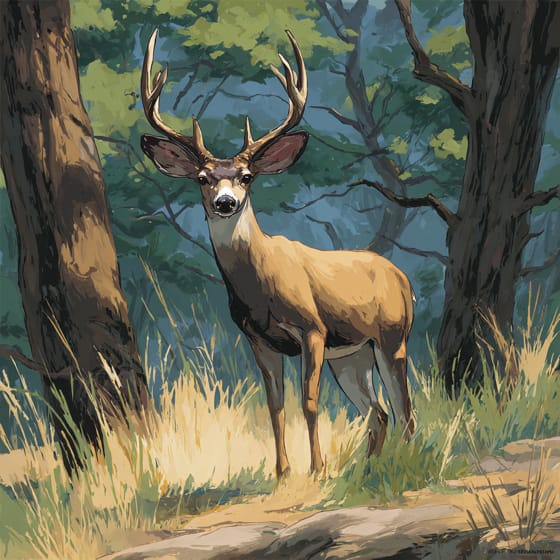
Odocoileus hemionus
Browses on the plant's leaves and stems.
Aromatic plants produce and emit fragrant volatile organic compounds, often for defense or to attract pollinators.
Flowering plants are any plants that produce flowers as part of their reproductive cycle.
Cluster flowers are inflorescences where individual flowers are arranged closely together on a common stem.
Spring blooming plants produce their flowers during the spring season, often signifying the end of winter and the start of new growth.

Summer blooming plants produce their flowers during the summer season, often providing vibrant color when many other plants have finished.

Fragrant flowers emit a pleasant aroma, often to attract pollinators or for defense.

Colorful describes organisms or objects displaying a wide range of bright and distinct colors.

Describes plants that are particularly attractive and beneficial to a wide range of pollinating organisms.

Coastal habitats are dynamic environments located along the interface between land and sea, influenced by tides, waves, and saltwater.
No aliases listed yet.
Danger
1/5 · Very low
Always look but don't pick flowers, so they can keep growing for everyone to enjoy.
The easiest way to identify shortspur seablush is to use the Snappit nature identifier app.
10-60 cm
0.2-0.5 cm
Spring to early summer (April-July)
Yes
None
Annual
Insect
Zoom in to split clusters and explore where this object has been snapped.

Oregon, US
You might spot Rough-Skinned Newt and Isabella Tiger Moth.
View guide →
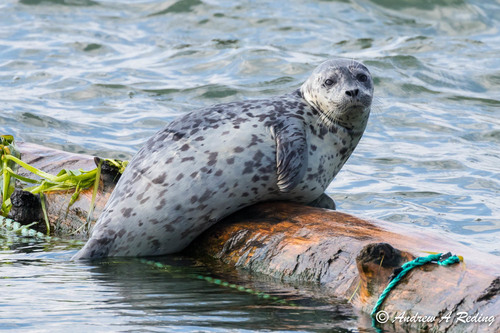
British Columbia, CA
You might spot Harbor Seal, Evergreen Huckleberry, and Alumroots.
View guide →

British Columbia, CA
You might spot Bald Eagle, Great Blue Heron, and Seal.
View guide →

Oregon, US
You might spot Great Camas, Columbian Larkspur, and Osoberry.
View guide →

British Columbia, CA
You might spot Broad-Leaved Stonecrop, Salal, and Pacific Sanicle.
View guide →
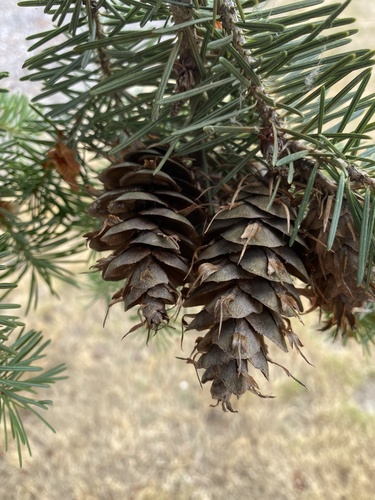
British Columbia, CA
You might spot Douglas Fir, Pacific Madrone, and Rough-Skinned Newt.
View guide →
Take the discovery with you
Snap it with Snappit to identify it, learn what makes it special, and add the discovery to your collection.







.jpg&width=800)


_001.jpg&width=800)




