





Shortstem Buckwheat
Eriogonum brevicaule
Shortstem Buckwheat is a small, lovely plant with bright yellow flowers. It grows close to the ground and loves sunny places, making it a cheerful sight in nature.
Habitat: Desert
The Shortstem Buckwheat is a low-growing perennial with small, often gray-green or woolly leaves forming a basal rosette. It produces dense clusters of tiny, usually yellow or creamy-white flowers on short, leafless stalks. These vibrant flower heads stand out against the dry, muted landscapes.
Category
PlantsRarity
Common
Danger
1/5 · Very low
Snaps
Be the first to snap!
Its 'buckwheat' name refers to its seeds, which are shaped like tiny beech tree nuts!
Many desert insects absolutely love its cheerful yellow flowers for a tasty snack.
Some Native American tribes used parts of buckwheat for traditional medicines!
This tough plant can even grow on rocky cliffs where few other plants survive.
Shortstem Buckwheat can thrive in very dry places, using its deep roots to find water deep underground.
This plant has a mat-forming growth, helping to hold loose soil in place and prevent erosion.
Shortstem Buckwheat has many tiny, nectar-rich flowers that attract a crowd of buzzing bees and butterflies.
Apis mellifera
Collects nectar and pollen.
Bombus vosnesenskii
Visits flowers for nectar.
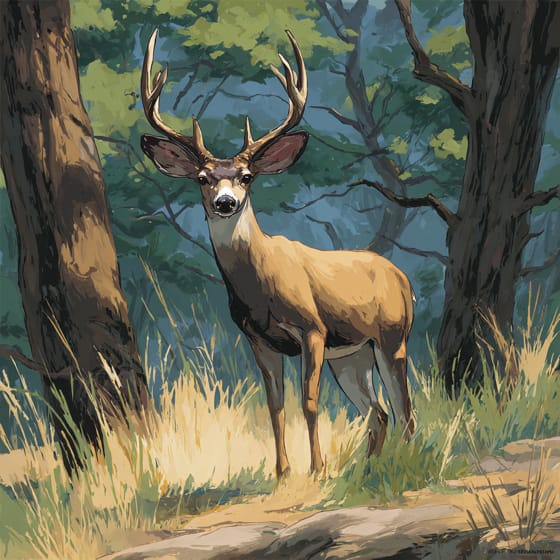
Odocoileus hemionus
Browses on its leaves and stems.

Speyeria hydaspe
Feeds on nectar from its blooms.
Flowering plants are any plants that produce flowers as part of their reproductive cycle.
Summer blooming plants produce their flowers during the summer season, often providing vibrant color when many other plants have finished.
Drought-tolerant plants can survive and flourish in conditions with limited water availability.
Colorful describes organisms or objects displaying a wide range of bright and distinct colors.

Describes plants that are particularly attractive and beneficial to a wide range of pollinating organisms.

Describes a relationship between two different species where they live in close association, often benefiting one or both.

Desert habitats are arid regions characterized by extremely low precipitation and often extreme temperatures, supporting specialized flora and fauna.

Describes a species whose presence and role have a disproportionately large effect on its environment.
No aliases listed yet.
Danger
1/5 · Very low
Always look but don't touch plants unless you know they are safe.
The easiest way to identify Shortstem Buckwheat is to use the Snappit nature identifier app.
10-30 cm
20-50 cm
1-3 cm
Summer to fall
No
None
Perennial
Zoom in to split clusters and explore where this object has been snapped.
Recent snaps will appear here as new observations are added.
Take the discovery with you
Snap it with Snappit to identify it, learn what makes it special, and add the discovery to your collection.









.jpg&width=800)



_001.jpg&width=800)




