





Siberian elm
Ulmus pumila
The Siberian elm is a strong tree that can grow tall and wide. It has beautiful green leaves that turn yellow in the fall. This tree is great for providing shade on hot days!
Habitat: Urban areas
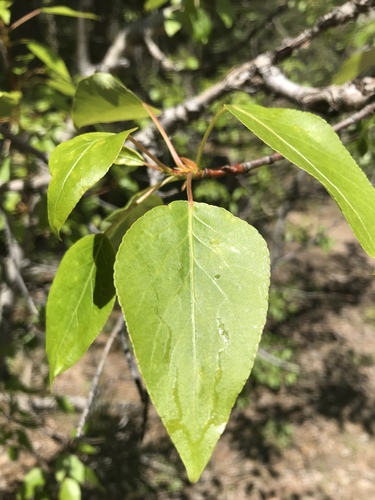
The Siberian elm is a medium-sized deciduous tree with an open, spreading crown and thin, rough, gray-brown bark. Its small, serrated, dark green leaves are distinctively asymmetrical at the base, and it produces numerous flat, round, papery seeds.
Category
PlantsRarity
Common
Danger
1/5 · Very low
Snaps
2
Even when branches break, this tough tree often grows back stronger!
Its wood is so strong, it's used for making sturdy furniture and tools!
This tree grows so fast, it's often used to quickly provide shade!
Tiny, round 'wafers' are actually its seeds, which flutter like confetti!
Siberian elm can survive with very little water, thanks to its deep root system that helps it find moisture.
Siberian elm produces thousands of winged seeds that can be carried far by the wind, helping it spread quickly.
Siberian elm can grow in poor soils and harsh climates, making it one of the first trees to colonize disturbed areas.
Lymantria dispar
Larvae feed voraciously on its leaves.
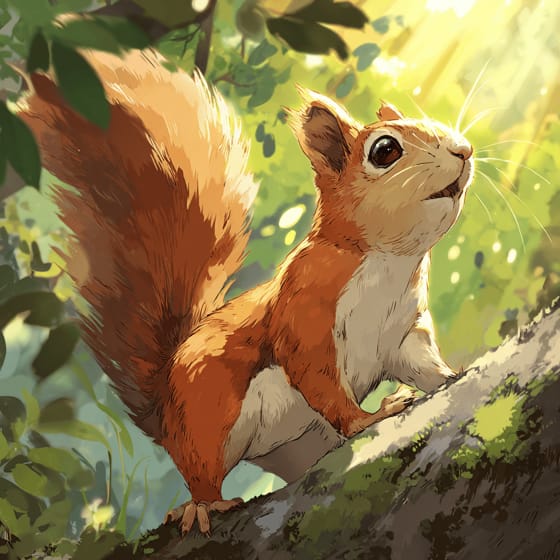
Sciurus carolinensis
Feeds on the abundant seeds produced by the tree.
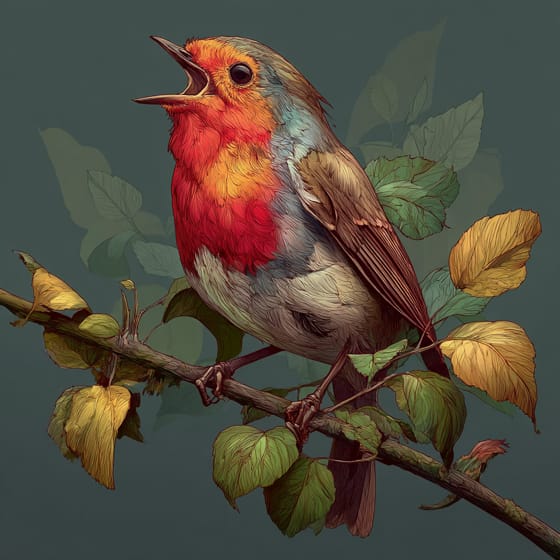
Turdus migratorius
Often builds nests in its sturdy branches.

Odocoileus virginianus
Browses on young twigs and foliage.
Deciduous plants periodically shed all their leaves, typically during autumn or dry seasons.
Shade tolerant plants are adapted to grow and thrive in areas with low light levels, requiring less direct sunlight.
Broadleaf trees are angiosperms characterized by flat, wide leaves that are typically shed annually in temperate climates.
Drought-tolerant plants can survive and flourish in conditions with limited water availability.

Fall color refers to the seasonal change in foliage pigmentation, primarily in deciduous plants, displaying vibrant hues.

Timber refers to wood that has been prepared for use in building and carpentry.

This trait characterizes organisms with an exceptionally long lifespan compared to others of their kind.

This habitat trait indicates species that can coexist with humans in urban and suburban environments, utilizing man-made structures and green spaces.
No aliases listed yet.
Danger
1/5 · Very low
Be careful around trees; don't climb too high and watch for falling branches.
The easiest way to identify Siberian elm is to use the Snappit nature identifier app.
1000-2000 cm
800-1500 cm
0.2-0.4 cm
Spring
Yes
None
Perennial
Zoom in to split clusters and explore where this object has been snapped.

Colorado, US
You might spot Common Side-Blotched Lizard and Eastern Collared Lizard.
View guide →

Utah, US
You might spot Duck, Gambel Oak, and Box Elder.
View guide →

New Mexico, US
You might spot Rocky Mountain Beardtongue and Balkan Toadflax.
View guide →

Utah, US
You might spot Duck, Gambel Oak, and Box Elder.
View guide →

British Columbia, CA
You might spot Yellow-Bellied Marmot and Rubber Rabbitbrush.
View guide →
British Columbia, CA
You might spot Black Cottonwood, Oregon Grape, and Showy Milkweed.
View guide →
Take the discovery with you
Snap it with Snappit to identify it, learn what makes it special, and add the discovery to your collection.








.jpg&width=800)


_001.jpg&width=800)


