





Wall germander
Teucrium chamaedrys
Wall germander is a lovely green plant with small purple flowers. It grows close to walls and rocks, making it a great friend for gardens and sunny spots.
Habitat: Urban areas
The Wall germander is a low-growing perennial with dark green, glossy, finely toothed leaves and distinctive square stems. It produces small, purplish-pink flowers arranged in loose spikes during summer, often forming dense, woody mats.
Category
PlantsRarity
Common
Danger
1/5 · Very low
Snaps
Be the first to snap!
Ancient Romans once used wall germander to flavor their wines!
It loves growing wild on old castle walls and ruins across Europe!
Its scientific name, Teucrium, might honor a legendary King from Troy!
People once thought this herb could cure the painful disease gout!
Wall germander can spread quickly using underground stems (rhizomes) that help it form dense colonies and cover ground effectively.
Wall germander has tough, aromatic leaves that help it survive in dry, poor soils and deter some hungry herbivores.
Wall germander often stays semi-evergreen, keeping some leaves through winter, allowing it to start photosynthesizing early in spring.
Apis mellifera
Gathers nectar and pollen from flowers.

Vanessa cardui
Feeds on nectar, aiding plant reproduction.
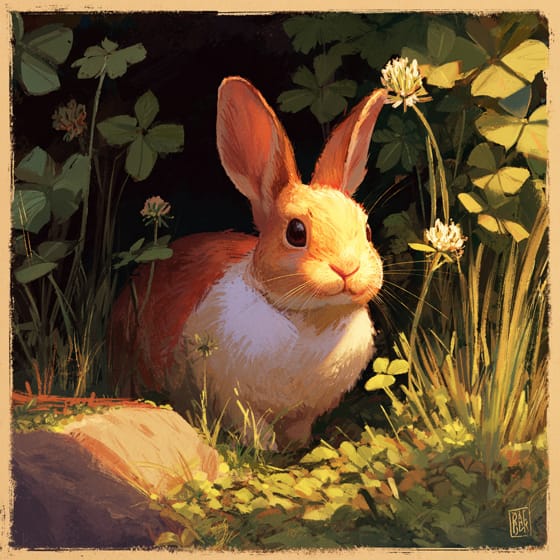
Oryctolagus cuniculus
Rabbits may graze on its leaves.
Aromatic plants produce and emit fragrant volatile organic compounds, often for defense or to attract pollinators.
Flowering plants are any plants that produce flowers as part of their reproductive cycle.
Summer blooming plants produce their flowers during the summer season, often providing vibrant color when many other plants have finished.
Edible plants are those parts of a plant that are considered safe for human consumption.

Describes plants that are particularly attractive and beneficial to a wide range of pollinating organisms.

This human use trait indicates species from which spices are derived, used for flavoring, preserving food, or as aromatic agents.

This habitat trait indicates species that can coexist with humans in urban and suburban environments, utilizing man-made structures and green spaces.

Describes organisms that transfer pollen, enabling the fertilization and reproduction of plants.
No aliases listed yet.
Danger
1/5 · Very low
Always check with an adult before touching or tasting plants.
The easiest way to identify Wall germander is to use the Snappit nature identifier app.
10-30 cm
30-60 cm
1-2 cm
Summer
Yes
None
Perennial
Zoom in to split clusters and explore where this object has been snapped.
Recent snaps will appear here as new observations are added.
Take the discovery with you
Snap it with Snappit to identify it, learn what makes it special, and add the discovery to your collection.








.jpg&width=800)



_001.jpg&width=800)



