




Siberian peashrub
Caragana arborescens
The Siberian peashrub is a tough little plant that can grow in many places! It has bright green leaves and pretty yellow flowers that bloom in spring, making it a cheerful sight in gardens and parks.
Habitat: Grasslands
The Siberian peashrub is a hardy deciduous shrub or small tree, typically featuring slender, upright branches and bright yellow, pea-like flowers. Its compound leaves have many small, oval leaflets, giving it a delicate, airy texture distinct from denser shrubs.
Category
PlantsRarity
Common
Danger
1/5 · Very low
Snaps
4
Its tiny flowers transform into edible pods resembling miniature green peas!
Its wood is incredibly dense, once used for pegs and small tools!
This plant arrived in Europe from Siberia over 250 years ago!
You can find Siberian peashrub growing wild even in Canada and the US!
Siberian peashrub can fix nitrogen in the soil, enriching it and helping other plants grow stronger.
This plant has incredible resilience, able to thrive in extreme cold, drought, and poor soil conditions.
Its dense branching and thick foliage help Siberian peashrub form effective windbreaks, protecting other plants.
Siberian peashrub has an extensive root system that strongly holds soil, preventing erosion on slopes.
Apis mellifera
Feeds on nectar, aiding in pollination.
Bombus impatiens
Pollinates flowers while collecting pollen and nectar.
_Obrovisko.jpg&width=800)
Spermophilus citellus
Consumes the energy-rich seeds from its pods.
Meleagris gallopavo
Forages for fallen seeds during late summer and fall.
Homo sapiens
People gather young pods and flowers for food.
Flowering plants are any plants that produce flowers as part of their reproductive cycle.
Describes organisms capable of converting atmospheric nitrogen into compounds usable by plants.
A shrub is a woody plant smaller than a tree, typically with multiple stems branching from or near the ground.
Spring blooming plants produce their flowers during the spring season, often signifying the end of winter and the start of new growth.

Cold hardy plants are able to withstand low temperatures and freezing conditions without significant damage.

Edible plants are those parts of a plant that are considered safe for human consumption.

Grassland habitats are terrestrial biomes dominated by grasses and herbaceous plants, supporting a variety of grazing animals.

Describes plants that are particularly attractive and beneficial to a wide range of pollinating organisms.

Describes organisms that transfer pollen, enabling the fertilization and reproduction of plants.
No aliases listed yet.
Danger
1/5 · Very low
Always check with an adult before touching or eating any plants.
The easiest way to identify Siberian peashrub is to use the Snappit nature identifier app.
300-600 cm
2-3 cm
Late spring to early summer
Yes
None
Perennial
Insect
Zoom in to split clusters and explore where this object has been snapped.

Alaska, US
You might spot Sandhill Crane, Fireweed, and Prickly Wild Rose.
View guide →
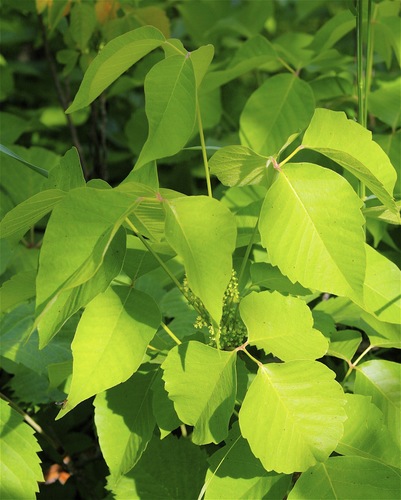
North Dakota, US
You might spot Western Poison Ivy, Wild Licorice, and Leadplant.
View guide →

Wyoming, US
You might spot Killdeer, American Kestrel, and Northern Flicker.
View guide →
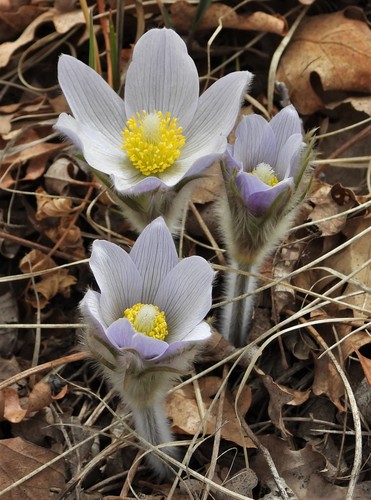
South Dakota, US
You might spot Prairie Pasqueflower and Common Buckthorn.
View guide →
Take the discovery with you
Snap it with Snappit to identify it, learn what makes it special, and add the discovery to your collection.








.jpg&width=800)



_001.jpg&width=800)



