





Sichuan takin
Budorcas taxicolor tibetana
The Sichuan takin is a big, furry animal that looks like a mix between a goat and a cow! They live in the mountains and have thick fur to keep them warm in the cold.
Habitat: Mountain regions
The Sichuan takin has a striking, shaggy golden-yellow to cream-colored coat, making it stand out among other takin subspecies. It possesses a large head with a distinctive 'Roman nose', stout legs, and powerful horns that curve upwards and back.
Category
MammalsRarity
Rare
Danger
2/5 · Low
Snaps
Be the first to snap!
A Sichuan takin's strong musky smell helps it recognize family members!
Takin herds can sometimes include over 100 animals, especially in winter!
These big animals love salt, traveling far for natural mineral licks!
They can make a loud 'cough-grunt' sound to warn their herd about danger.
Sichuan takin has strong, cloven hooves with a rough underside that helps them climb steep, rocky mountain slopes safely.
Sichuan takin has a thick, oily, and dense double coat that keeps them warm and dry in cold, wet mountain weather.
Sichuan takin has a large, moose-like nose with special air passages that help them warm cold, thin mountain air before breathing it.
These mountain dwellers munch on various plants, leaves, and bamboo for energy.
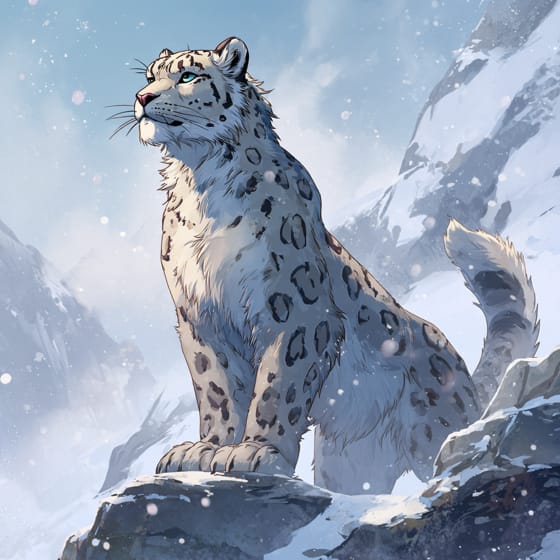
Panthera uncia
Main predator, especially of young or sick takin.
Fargesia rufa
A common food source in their bamboo forest habitat.
Furry describes animals possessing a dense covering of soft hair or fur.
Social animals live in organized groups, cooperating for survival benefits such as foraging, defense, and raising offspring.
This trait characterizes organisms whose diet consists entirely or primarily of plant material.
This habitat trait identifies species found in mountainous regions, characterized by high elevation, steep slopes, and varying climate zones.

Diurnal animals are primarily active during daylight hours, typically resting or sleeping at night.

Describes a species whose presence and role have a disproportionately large effect on its environment.

Endangered status indicates a species is at a very high risk of extinction in the wild in the near future.
No aliases listed yet.
Danger
2/5 · Low
Always watch from a distance and never try to touch wild animals.
The easiest way to identify Sichuan takin is to use the Snappit nature identifier app.
170-220 cm
150-350 kg
12-18 years
35 km/h
These mountain dwellers munch on various plants, leaves, and bamboo for energy.
Mountain regions
Grazing
Zoom in to split clusters and explore where this object has been snapped.
Recent snaps will appear here as new observations are added.

Illinois, US
You might spot Southern White Rhinoceros and Reticulated Giraffe.
View guide →
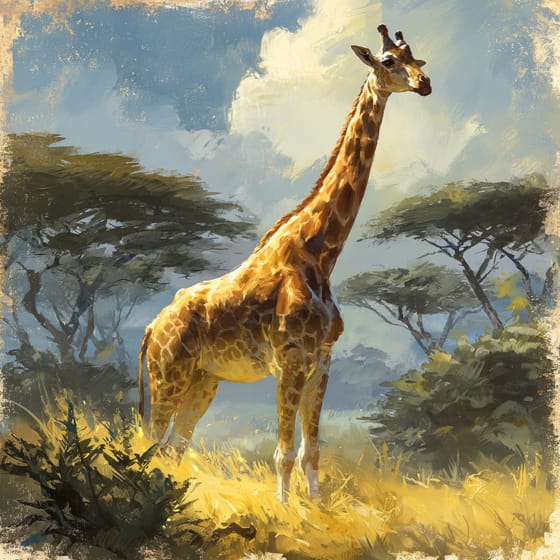
Indiana, US
You might spot Giraffes, African Lion, and Southern White Rhinoceros.
View guide →

North Dakota, US
You might spot Tiger, Grizzly Bear, and African Penguin.
View guide →

North Dakota, US
You might spot Red Panda, Pallas's Cat, and Sichuan Takin.
View guide →
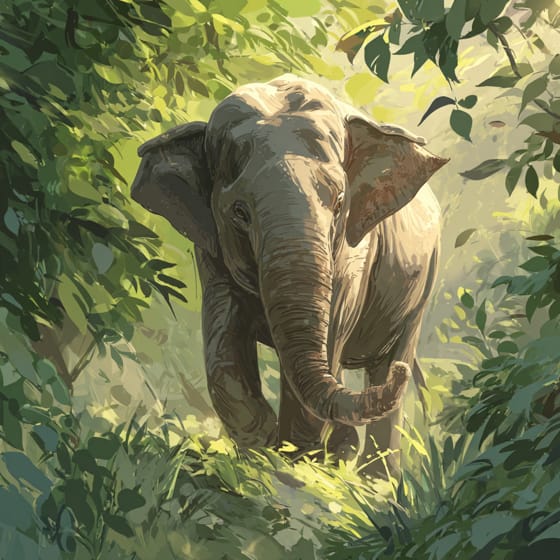
New York, US
You might spot Asian Elephant, Humboldt Penguin, and Tiger.
View guide →

Ohio, US
You might spot Southern White Rhinoceros, Giraffes, and Cheetahs.
View guide →
Take the discovery with you
Snap it with Snappit to identify it, learn what makes it special, and add the discovery to your collection.




.jpg&width=800)



.JPG&width=800)


.jpg&width=800)
