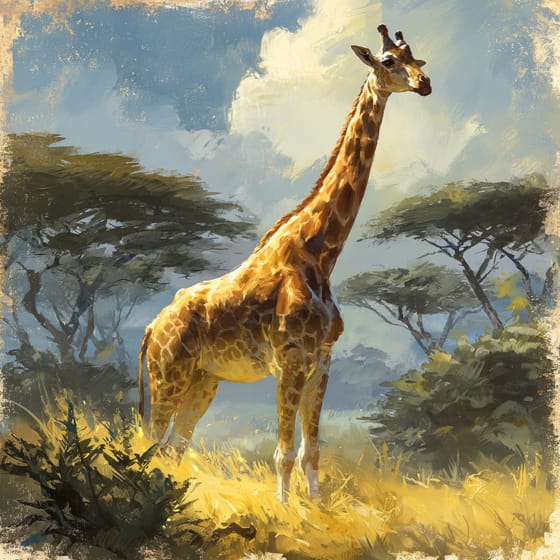
Giraffes
The Potawatomi Zoo offers an engaging wildlife experience in South Bend, Indiana.
The Potawatomi Zoo offers an engaging wildlife experience in South Bend, Indiana.
As Indiana's oldest zoo, the Potawatomi Zoo spans 23 acres within Potawatomi Park, offering a vibrant home to over 400 animals representing more than 135 species from around the globe. Accredited by the Association of Zoos and Aquariums (AZA), this beloved destination is dedicated to fostering an appreciation for wildlife through education, conservation, and immersive animal experiences, welcoming over 300,000 visitors annually.
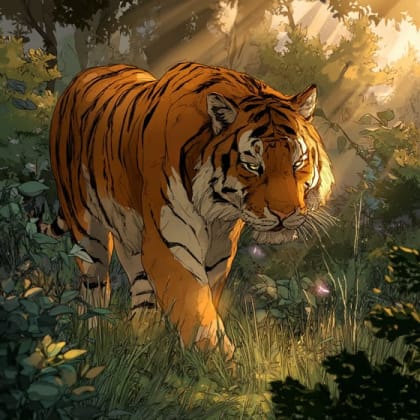
Explore diverse habitats from Africa, Asia, and the Americas, encountering iconic animals like the majestic African lions, sleek Amur tigers, and the historic Cat House residents, Amur leopards and snow leopards. Don't miss the chance to see Indiana's first okapis or the playful North American river otters. Recent additions like Masai giraffes and the Southern white rhinoceros provide captivating viewing, with opportunities for unforgettable up-close feeding experiences that connect visitors directly with these incredible creatures.
Beyond the captivating animal exhibits, the Potawatomi Zoo provides a memorable outing for all ages. Enjoy a ride on the Potawatomi Express Train or the whimsical Endangered Species Carousel, where hand-painted animals inspire a sense of wonder and conservation. With its commitment to animal welfare and engaging educational programs, a visit here offers both heartwarming encounters and a deeper understanding of the natural world, making it a perfect half-day adventure or a full day of discovery. Be ready to snap and learn! Get the Snappit app to identify any nature species you find here.
The Potawatomi Zoo's origins trace back to 1902 when it began as a modest duck pond in Leeper Park, originally known as the South Bend Zoo. It was officially established as a zoo in 1921 following the donation of a single deer by Albert Russell Erskine, then president of the Studebaker Corporation. A significant milestone occurred in 1940 during the Great Depression, when the Works Progress Administration (WPA) constructed the zoo's first permanent structure, the Cat House, which continues to house Amur and snow leopards today. In 1971, the St. Joseph Zoological Society, now known as the Potawatomi Zoological Society, was formed to support the zoo's mission. The zoo began charging admission in 1981 to support its operations and provide accurate attendance counts. Since January 1, 2014, the Potawatomi Zoological Society has managed the zoo's operations, while it remains city-owned. The zoo continues to evolve, opening a new front entrance in 2020 and introducing popular new residents like Masai giraffes in 2022 and an Andean bear in 2023.
Engage with keeper talks, feed fish at designated stations, explore the Learning Center for smaller animals and reptiles, and check out seasonal events.
Exhibit availability can vary due to weather, animal health checks, or maintenance. Giraffe feeding may move indoors during inclement weather. The zoo hosts special events like "Zoo Luminate" in spring, "Zoo Boo" in fall, and "Gift of Lights" during the holidays.
The Potawatomi Zoo features paved walkways throughout, making it easy for strollers and wheelchairs. Standard wheelchairs are available for free on a first-come, first-served basis. The Endangered Species Carousel includes an ADA-accessible chariot. The zoo also partners with KultureCity to offer sensory bags (containing noise-canceling headphones and fidget items) for guests with sensory processing needs, and trained service dogs are welcome.
Experience the thrill of hand-feeding the majestic Masai giraffes.
Visit the historic WPA-built structure housing Amur leopards and snow leopards.
Observe African lions, plains zebras, and the Southern white rhinoceros (Masamba).
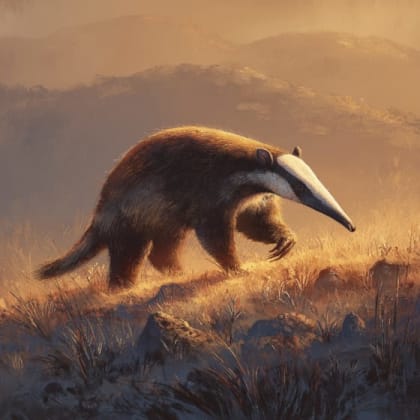
Discover American bison, North American river otters with underwater viewing, playful prairie dogs, capybaras, giant anteaters, and the Spectacled bear (Muniri).
Each card links to a full Explore page with photos, traits, and fun facts.
Start with the big picture, then zoom in to explore individual wildlife observations around this place.
Arrive Early
Animals are often most active during the cooler morning hours, offering better viewing opportunities.
Plan Rides Mid-Visit
The Potawatomi Express Train and Endangered Species Carousel typically close 15 minutes before the main zoo closing time, so plan these attractions accordingly.
Check for Encounters
Look up schedules for animal encounters and keeper talks online in advance to maximize your interactive experiences, such as feeding the giraffes or rhinos.
Stay Hydrated
Bring reusable water bottles; while outside food/coolers are generally not allowed (except for child-sized snacks), reusable beverage containers are permitted.
Comfortable Footwear
With 23 acres to explore, comfortable walking shoes are a must.
Utilize Reciprocity
If you have a membership to another AZA-accredited zoo, check if the Potawatomi Zoo offers reciprocal discounts, which can significantly reduce admission costs.
Jun 6, 2026
Jun 5, 2026
Jun 5, 2026
Jun 4, 2026
Jun 4, 2026

Michigan, US
You might spot African Lion, Komodo Dragon, and Brown Bear.
View guide →
.jpg)
Municipal District of Cobh, IE
You might spot Ring-Tailed Lemur, Giraffes, and Cheetahs.
View guide →

Nouvelle-Aquitaine, FR
You might spot Greater Flamingo, Giraffes, and Red Panda.
View guide →

Texas, US
You might spot Giraffes, African Lion, and Eastern Black Rhinoceros.
View guide →
Take the discovery with you
Identify the wildlife you spot, learn as you go, and keep a collection of the adventure.




























.jpg&width=800)