





Slender Hawkweed
Hieracium triste
Slender Hawkweed is a bright yellow flower that grows in fields and meadows. Its cheerful blooms can brighten up any garden and attract butterflies and bees!
Habitat: Grasslands
The Slender Hawkweed is a delicate plant featuring tall, slender stems sparsely covered in fine hairs. It has bright, lemon-yellow, daisy-like flower heads, each composed of many strap-shaped petals. Its narrow, hairy leaves are mostly found at the base, distinguishing it from broader-leaved hawkweeds.
Category
PlantsRarity
Common
Danger
1/5 · Very low
Snaps
Be the first to snap!
Each sunny yellow flower head is actually made of many tiny flowers working together!
Its name comes from an old legend about hawks eating them to improve eyesight!
Some hawkweeds can make seeds without needing any pollen at all!
This tough plant can grow where many others can't: high up on rocky mountains!
Slender Hawkweed has tiny glandular hairs on its stems and leaves to deter hungry insects from taking a bite!
Its tough root system helps Slender Hawkweed anchor itself firmly in rocky, high-altitude soils, resisting strong winds.
Slender Hawkweed releases fluffy, parachute-like seeds that catch the wind, spreading its babies far and wide.
Bombus bifarius
Feeds on nectar, aiding reproduction.
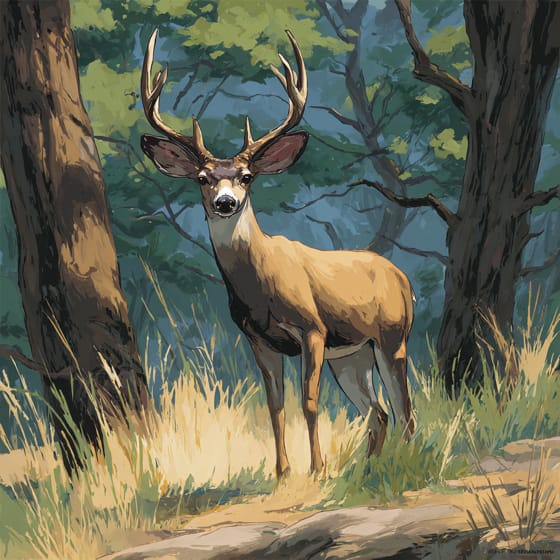
Odocoileus hemionus
May browse its leaves and shoots.

Nymphalis antiopa
Butterfly sips nectar from its blooms.
Flowering plants are any plants that produce flowers as part of their reproductive cycle.
Summer blooming plants produce their flowers during the summer season, often providing vibrant color when many other plants have finished.
Fragrant flowers emit a pleasant aroma, often to attract pollinators or for defense.
Grassland habitats are terrestrial biomes dominated by grasses and herbaceous plants, supporting a variety of grazing animals.

Describes plants that are particularly attractive and beneficial to a wide range of pollinating organisms.
No aliases listed yet.
Danger
1/5 · Very low
Always look but don't pick flowers unless an adult says it's okay.
The easiest way to identify Slender Hawkweed is to use the Snappit nature identifier app.
15-50 cm
10-20 cm
1-2.5 cm
Summer
No
None
Perennial
Zoom in to split clusters and explore where this object has been snapped.
Recent snaps will appear here as new observations are added.
Take the discovery with you
Snap it with Snappit to identify it, learn what makes it special, and add the discovery to your collection.








.jpg&width=800)


_001.jpg&width=800)




