





slender leafy spurge
Euphorbia virgata
Slender leafy spurge is a tall plant with thin, green leaves and small yellow flowers. It grows in sunny places and can spread quickly, making it a fun plant to spot in gardens and fields!
Habitat: Grasslands
The slender leafy spurge has clusters of small, yellowish-green, heart-shaped bracts that resemble flowers, atop slender stems. Its narrow, blue-green leaves spiral up the stem, creating dense, bushy growth. The overall appearance is bright green and airy.
Category
PlantsRarity
Common
Danger
2/5 · Low
Snaps
3
It can form vast "sea of green" patches, taking over huge areas of land!
Its bright yellow-green parts are actually modified leaves, not true flowers!
This plant can survive harsh conditions by growing roots up to 25 feet deep!
Tiny "nectar glands" on its bracts attract insects, even though it's toxic!
Slender leafy spurge has an extensive root system that can grow deep, helping it survive droughts and spread quickly.
Slender leafy spurge can release a sticky, milky sap when broken, which deters hungry animals from munching on it.
Slender leafy spurge can explosively eject its seeds, launching them far away to find new places to grow.
Aphthona nigriscutis
Larvae consume its roots, adults eat leaves.
Hyles euphorbiae
Its caterpillars feed on the plant's leaves and flowers.
Apis mellifera
Visits its nectar glands, spreading pollen.
Flowering plants are any plants that produce flowers as part of their reproductive cycle.
Spring blooming plants produce their flowers during the spring season, often signifying the end of winter and the start of new growth.
Summer blooming plants produce their flowers during the summer season, often providing vibrant color when many other plants have finished.
Drought-tolerant plants can survive and flourish in conditions with limited water availability.

Grassland habitats are terrestrial biomes dominated by grasses and herbaceous plants, supporting a variety of grazing animals.

Describes plants that are particularly attractive and beneficial to a wide range of pollinating organisms.

Rapid growing plants exhibit accelerated growth rates, quickly increasing in size and biomass within a short period.
No aliases listed yet.
Danger
2/5 · Low
Avoid touching the sap, as it can be sticky. Always wash your hands after exploring plants.
The easiest way to identify slender leafy spurge is to use the Snappit nature identifier app.
30-100 cm
30-60 cm
0.5-1 cm
Late spring to early fall
No
Moderate
Perennial
Zoom in to split clusters and explore where this object has been snapped.

Minnesota, US
You might spot Rue Anemone, Bloodroot, and White-Tailed Deer.
View guide →

South Dakota, US
You might spot Brittle Pricklypear and Eastern Redcedar.
View guide →
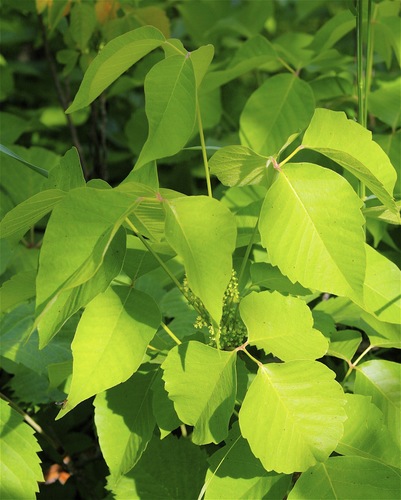
North Dakota, US
You might spot Western Poison Ivy, Wild Licorice, and Leadplant.
View guide →

Minnesota, US
You might spot Common Eastern Bumble Bee and Eastern Gray Squirrel.
View guide →
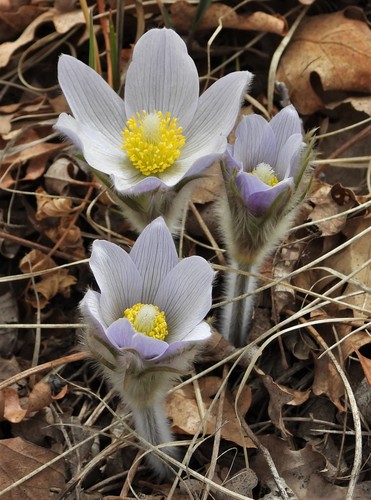
South Dakota, US
You might spot Prairie Pasqueflower and Common Buckthorn.
View guide →

Wyoming, US
You might spot Prairie Dog, Bur Oak, and Rocky Mountains Ponderosa Pine.
View guide →
Take the discovery with you
Snap it with Snappit to identify it, learn what makes it special, and add the discovery to your collection.








.jpg&width=800)



_001.jpg&width=800)




