





blue elder
Sambucus cerulea
The blue elder is a lovely shrub with beautiful blue berries. It grows in sunny places and is a favorite among birds and other wildlife. The flowers are pretty and attract many pollinators!
Habitat: Sunny areas and open woods
The blue elder is a large shrub or small tree distinguished by its powdery, sky-blue berries, which grow in large, flat-topped clusters. Its creamy-white flowers also form impressive flat-topped sprays. Unlike many berries, its unique glaucous coating gives it a distinctly hazy blue hue.
Category
PlantsRarity
Common
Danger
2/5 · Low
Snaps
9
Blue elder's flowers were once used to make a refreshing, bubbly cordial drink!
Indigenous peoples historically crafted musical flutes from its hollow stems!
Its scientific name 'cerulea' literally means sky-blue, perfectly describing its berries!
The mysterious white powder on its blue berries is called a 'bloom'!
Blue elder's berries have a white powdery coating protecting them from sun and moisture loss.
Blue elder can quickly regrow from its root crown even after severe wildfires, helping it survive.
Blue elder has hollow stems that offer perfect shelter for many small insects to live inside.
Bombus vosnesenskii
collects nectar and pollen, aiding plant reproduction.
Ursus americanus
eats the ripe, nutrient-rich blue berries.
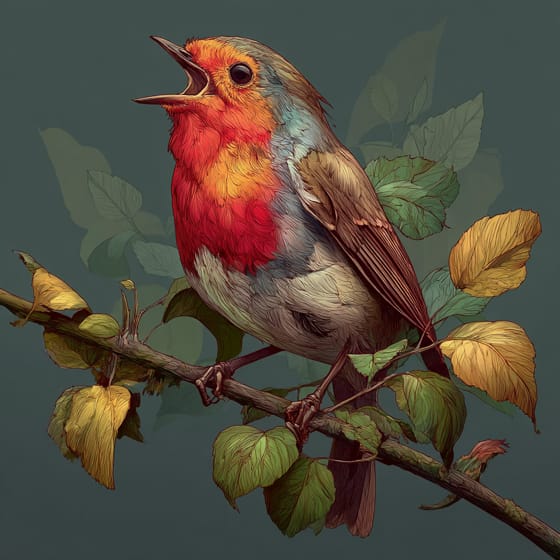
Turdus migratorius
enjoys snacking on the plant's abundant blue berries.
Formica rufa
uses the hollow stems as nesting sites.
Spodoptera exigua
larvae feed on the leaves and flowers.
Deciduous plants periodically shed all their leaves, typically during autumn or dry seasons.
Flowering plants are any plants that produce flowers as part of their reproductive cycle.
A shrub is a woody plant smaller than a tree, typically with multiple stems branching from or near the ground.
Fragrant flowers emit a pleasant aroma, often to attract pollinators or for defense.

Fruit-bearing plants produce fruits, which are the mature ovaries of flowering plants containing seeds.

Edible plants are those parts of a plant that are considered safe for human consumption.

Describes plants that are particularly attractive and beneficial to a wide range of pollinating organisms.

Forest habitats are terrestrial environments dominated by dense tree cover, supporting a high diversity of plant and animal life.
Danger
2/5 · Low
Do not eat the berries raw, as they can make you feel sick. Always ask an adult before trying new plants.
The easiest way to identify blue elder is to use the Snappit nature identifier app.
300-900 cm
200-600 cm
0.3-0.5 cm
Late spring to early summer
Yes
Mild
Perennial
Zoom in to split clusters and explore where this object has been snapped.

California, US
You might spot Sequoia, California Newt, and Pacific Dogwood.
View guide →

California, US
You might spot Western Fence Lizard, Duck, and California Brittlebush.
View guide →
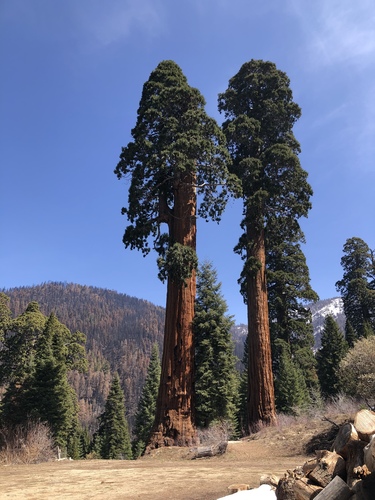
California, US
You might spot Sequoia, Mountain Misery, and Black Bear.
View guide →

California, US
You might spot Vulture, Acorn Woodpecker, and Stanislaus Monkeyflower.
View guide →

California, US
You might spot Sequoia, Thimbleberry, and Pacific Dogwood.
View guide →

California, US
You might spot Western Fence Lizard, Eastern Fox Squirrel, and Bee.
View guide →
Take the discovery with you
Snap it with Snappit to identify it, learn what makes it special, and add the discovery to your collection.






.jpg&width=800)


_001.jpg&width=800)



