.jpg&width=800)





Smokebush
Cotinus coggygria
The Smokebush is a lovely shrub that can grow tall and wide. It has fluffy, smoke-like flowers that look like puffs of cotton candy in the summer!
Habitat: Urban areas
The Smokebush is famous for its misty, purplish-pink flower clusters that create a 'smoke' effect from late spring. Its oval leaves can be green, purple, or golden-yellow, transforming into brilliant reds and oranges in autumn.
Category
PlantsRarity
Common
Danger
1/5 · Very low
Snaps
1
It's a tough survivor, growing happily even in poor, rocky soils where other plants struggle.
Its wood is sometimes called 'fustic' and was once used to make a bright yellow dye!
Some varieties boast deep purple leaves all summer, looking like a mysterious dark cloud!
The 'smoke' you see isn't just flowers, but fuzzy stalks that remain after they bloom!
Smokebush has fluffy flower stalks that remain after blooming, making it look like it's puffing purple smoke to attract attention.
Smokebush can withstand dry spells, thanks to its tough root system, helping it survive hot, arid conditions.
Smokebush can change its leaf color dramatically in autumn, from green to fiery red, creating a stunning visual display.
Apis mellifera
collects nectar and pollen
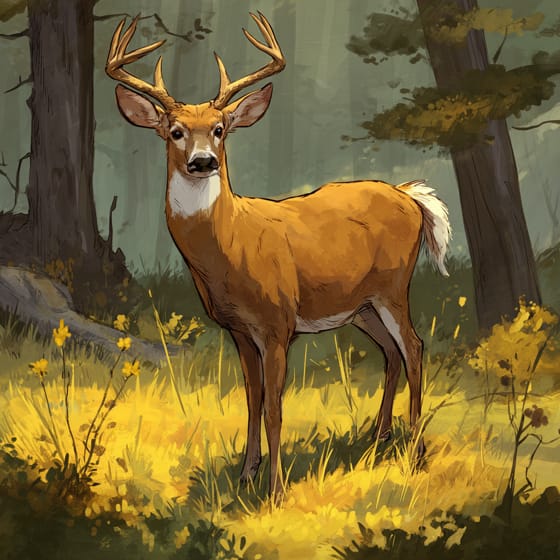
Odocoileus virginianus
may browse leaves and twigs
Vanessa cardui
visits flowers for nectar
Deciduous plants periodically shed all their leaves, typically during autumn or dry seasons.
Flowering plants are any plants that produce flowers as part of their reproductive cycle.
Ornamental plants are cultivated primarily for their aesthetic appeal, enhancing landscapes and gardens with their attractive foliage, flowers, or form.
A shrub is a woody plant smaller than a tree, typically with multiple stems branching from or near the ground.

Summer blooming plants produce their flowers during the summer season, often providing vibrant color when many other plants have finished.

Fall color refers to the seasonal change in foliage pigmentation, primarily in deciduous plants, displaying vibrant hues.

Describes plants that are particularly attractive and beneficial to a wide range of pollinating organisms.

This habitat trait indicates species that can coexist with humans in urban and suburban environments, utilizing man-made structures and green spaces.
No aliases listed yet.
Danger
1/5 · Very low
Always be careful around plants and don't touch without asking an adult.
The easiest way to identify Smokebush is to use the Snappit nature identifier app.
300-500 cm
300-500 cm
0.2-0.5 cm
Late spring to summer
No
Mild
Perennial
Zoom in to split clusters and explore where this object has been snapped.
Take the discovery with you
Snap it with Snappit to identify it, learn what makes it special, and add the discovery to your collection.








.jpg&width=800)



_001.jpg&width=800)




