



Smokybrown Cockroach
Validiblatta fuliginosa
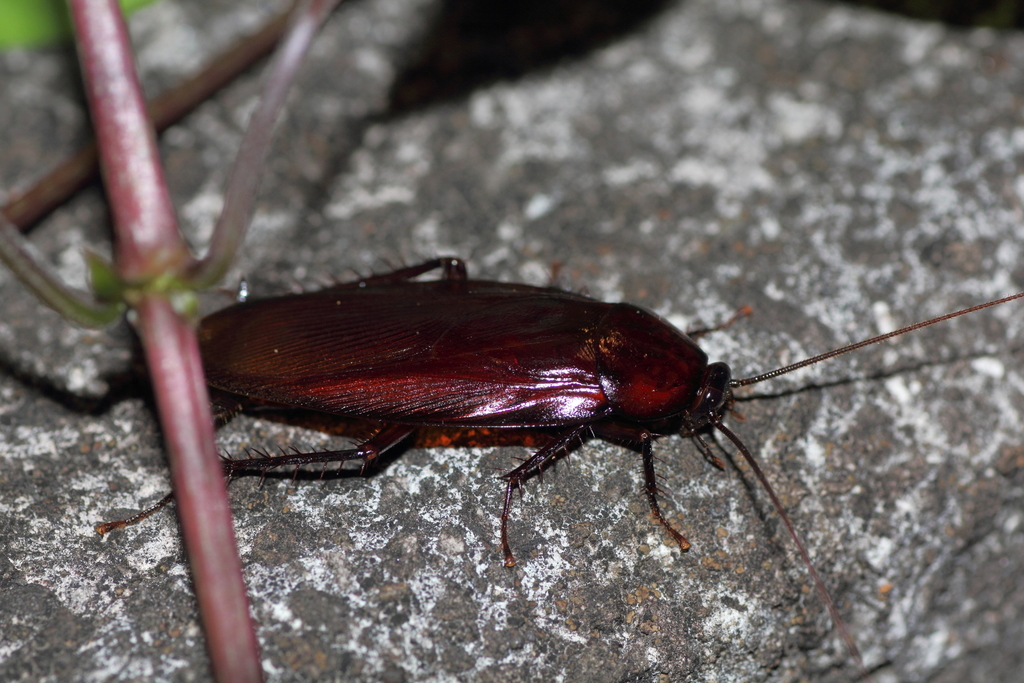
The Smokybrown Cockroach is a shiny, dark brown insect that loves warm places. They are often found in gardens and can run very fast when they feel scared!
Habitat: Urban areas
The Smokybrown Cockroach is a shiny, dark reddish-brown insect with a uniform color. It has long wings that extend beyond its abdomen, giving it a sleek appearance. Unlike some relatives, it lacks distinct markings.
Category
InsectsRarity
Common
Danger
1/5 · Very low
Snaps
9
Wow! A female can have babies without a male, if she needs to!
Wow! These roaches can live for a whole week without their head!
Wow! They can hold their breath underwater for over half an hour!
Wow! They drink water using tiny little tubes on their feet!
Smokybrown Cockroach can navigate perfectly in complete darkness because of super-sensitive antennae that detect subtle changes.
Smokybrown Cockroach can squeeze through incredibly small cracks thanks to its flexible exoskeleton that helps it flatten its body.
Smokybrown Cockroach has specialized receptors that help them detect slight changes in humidity, guiding them to water sources.
Smokybrown Cockroach can break down decaying organic matter, helping to return important nutrients back into the ecosystem.
These tiny scavengers eat almost anything decaying, helping to keep nature tidy!
Anolis carolinensis
A common predator
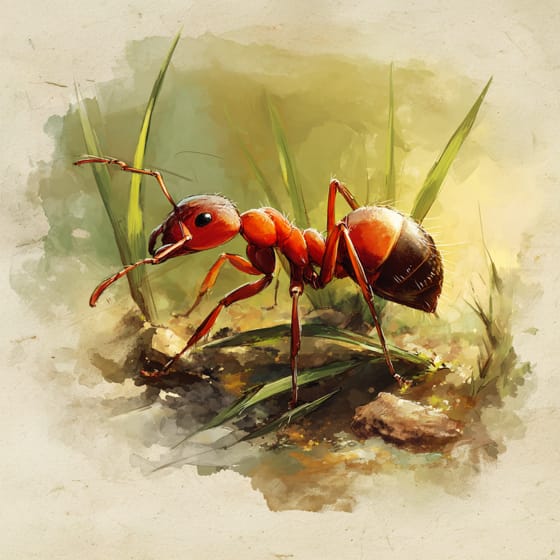
Solenopsis invicta
Ants can attack roaches
Evania appendigaster
Lays eggs in cockroach egg cases
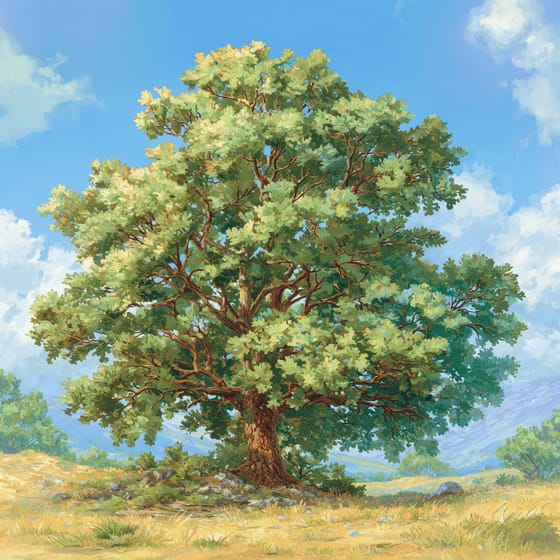
Quercus alba
Feeds on decaying leaves
Solitary animals live alone for most of their lives, only interacting with others for mating or parental care.
This trait identifies organisms whose diet includes both plant and animal matter.
Scavengers consume dead organic matter, helping to decompose carcasses and other waste in the ecosystem.
Describes organisms that break down dead organic material, recycling nutrients back into the ecosystem.

This trait identifies organisms that exhibit exceptional swiftness in movement for hunting, escape, or travel.

This habitat trait indicates species that can coexist with humans in urban and suburban environments, utilizing man-made structures and green spaces.

Nocturnal animals are primarily active during the nighttime hours, typically resting or sleeping during the day.
No aliases listed yet.
Danger
1/5 · Very low
If you see a cockroach, it's best to leave it alone and tell an adult.
The easiest way to identify Smokybrown Cockroach is to use the Snappit nature identifier app.
50-76 mm
25-38 mm
180-365 days
These tiny scavengers eat almost anything decaying, helping to keep nature tidy!
Urban areas
Scavenging
6
Zoom in to split clusters and explore where this object has been snapped.

Georgia, US
You might spot Eastern Gray Squirrel, Domestic Cat, and American Robin.
View guide →

Georgia, US
You might spot Anole, Pond Slider, and Spanish Moss.
View guide →

Georgia, US
You might spot Eastern Gray Squirrel, Domestic Cat, and American Robin.
View guide →

Georgia, US
You might spot Asian Lady Beetle, Anole, and Joro Spider.
View guide →

Mississippi, US
You might spot Southern White Rhinoceros, Zebra, and Tiger.
View guide →

Georgia, US
You might spot Eastern Gray Squirrel, Domestic Cat, and Asian Lady Beetle.
View guide →
Take the discovery with you
Snap it with Snappit to identify it, learn what makes it special, and add the discovery to your collection.









.jpg&width=800)




