Eastern Gray Squirrel

Experience the historic core of Auburn University, a captivating journey through timeless architecture and academic heritage.
Experience the historic core of Auburn University, a captivating journey through timeless architecture and academic heritage.
Nestled within the Auburn University campus, the Auburn University Historic District is a 14.5-acre landmark boasting a collection of meticulously preserved buildings primarily constructed between 1846 and 1910. Centered around the picturesque Samford Park, this district showcases a blend of Revivalist architectural styles, including Neo-Romanesque and Neo-Baroque, characterized by their unifying red brick facades, limestone ornamentation, and vertical fenestration. It serves as a living museum, reflecting the foundational principles of the land-grant university movement and offering a glimpse into the institution's rich past.
Visitors can explore architectural gems like the iconic Samford Hall with its prominent clock tower, the oldest building on campus, Langdon Hall, and the charming University Chapel. The district also features Mary E. Martin Hall, Broun Engineering Hall, and the Music Building, each contributing to the cohesive historical narrative. Beyond the grand structures, the surrounding landscape, including the replanted descendant Toomer's Oaks in Samford Park, adds to the district's charm and historical significance, offering serene green spaces for reflection.
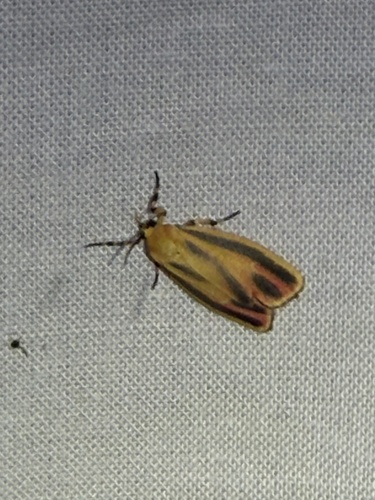
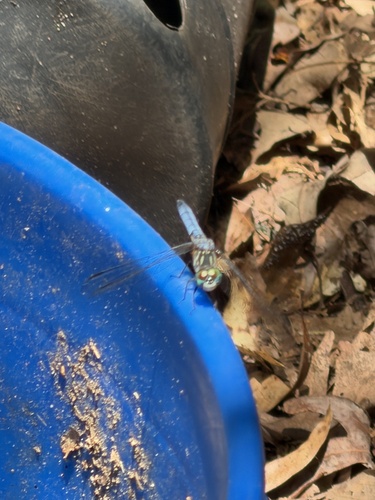
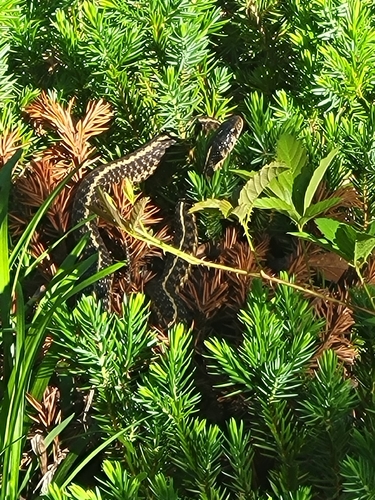
The Auburn University Historic District is a must-visit for anyone seeking to immerse themselves in Alabama's academic history and architectural beauty. Its accessible layout invites leisurely strolls, allowing visitors to absorb the vibrant campus atmosphere while appreciating the intricate details of structures that have stood for over a century. Whether you're an architecture enthusiast, a history buff, or a prospective student, the district provides a memorable and inspiring experience, offering a tangible connection to the enduring spirit of Auburn University. Eager to name that creature? Identify any animal you find during your visit using the Snappit app.
The Auburn University Historic District encompasses the earliest and most historically significant section of Auburn University, which was originally established as the East Alabama Male College in 1856. The institution's trajectory changed significantly in 1872 when it became the Agricultural and Mechanical College of Alabama, the South's first standalone land-grant institution under the Morrill Act of 1862. This shift moved the campus from a Methodist liberal arts college towards practical education in agriculture, engineering, and the sciences. The district, characterized by its late 19th and early 20th-century revival styles, saw significant construction under President William L. Broun starting in 1883. Key buildings like Samford Hall (1888) and the remodeled Langdon Hall (1892) were integral to this expansion. The district was officially listed on the National Register of Historic Places on June 3, 1976, recognizing its profound historical and architectural value as the formative core of what would eventually become Auburn University in 1960.
Take a self-guided walking tour to admire the distinct architectural styles, learn about the university's history through informational plaques, and enjoy the vibrant campus atmosphere. Explore the manicured lawns of Samford Park.
Spring: Pleasant weather, blooming trees, and graduation ceremonies.
Summer: Hot and humid, fewer students, but a quieter experience.
Fall: Mild weather, colorful foliage, and the energy of football season (campus can be very busy on game days).
Winter: Cooler temperatures, fewer visitors.
Auburn University is committed to providing an accessible campus. The historic district itself, with its paved walkways and central park, generally offers good mobility. Specific accessibility markers and information on accessible parking can be found on the Auburn University Campus Map.
The iconic architectural focal point of the campus with its Neo-Romanesque design and four-sided clock tower.
The oldest building on campus, known for its significant historical debates and architectural evolution.
Originally constructed in 1851, it served various roles including a Civil War hospital before becoming the chapel.
The central green space offering views of the historic buildings and a place to relax.
Each card links to a full Explore page with photos, traits, and fun facts.
Start with the big picture, then zoom in to explore individual wildlife observations around this place.
Wear comfortable shoes
** The district is best explored on foot with walking tours lasting several hours.
Pick up a campus map
This will help you navigate the district and locate specific historic buildings and points of interest.
Check the university calendar
If visiting during the academic year, be aware of major events like football games or graduation, as the campus can be exceptionally busy.
Visit Toomer's Corner
Located adjacent to the historic district, it's an iconic spot and tradition. Consider trying the lemonade at Toomer's Drugs.
Consider a self-guided tour
Brochures for self-guided historical tours of the campus are often available through the university's admissions or visitor centers.
Parking
While parking within the historic district itself may be limited, visitor parking is generally available on the broader Auburn University campus. It's advisable to check the university's parking services website for the most current information.
Jun 6, 2026
Photo attribution
(c) Djibo Zanzot, some rights reserved (CC BY-SA)
License: CC BY-SA 4.0 ↗
Image may be shown cropped inside the card frame.
Jun 6, 2026
Photo attribution
(c) Djibo Zanzot, some rights reserved (CC BY-SA)
License: CC BY-SA 4.0 ↗
Image may be shown cropped inside the card frame.
Jun 6, 2026
Photo attribution
(c) Djibo Zanzot, some rights reserved (CC BY-SA)
License: CC BY-SA 4.0 ↗
Image may be shown cropped inside the card frame.
Jun 5, 2026
Photo attribution
(c) Djibo Zanzot, some rights reserved (CC BY-SA)
License: CC BY-SA 4.0 ↗
Image may be shown cropped inside the card frame.
Jun 5, 2026
Photo attribution
(c) patriciajh, some rights reserved (CC BY)
License: CC BY 4.0 ↗
Image may be shown cropped inside the card frame.

Maryland, US
You might spot White-Tailed Deer and Eastern Gray Squirrel.
View guide →
.jpg)
District of Columbia, US
You might spot Eastern Gray Squirrel, Duck, and House Sparrow.
View guide →

Illinois, US
You might spot American Robin, Canada Goose, and House Sparrow.
View guide →

Virginia, US
You might spot Spotted Lanternfly and Northern Cardinal.
View guide →
Take the discovery with you
Identify the wildlife you spot, learn as you go, and keep a collection of the adventure.