





Smooth Rupturewort
Herniaria glabra
Smooth Rupturewort is a small, green plant that grows close to the ground. It has tiny leaves and can often be found in grassy areas, making it a friendly little plant to spot during outdoor adventures!
Habitat: Grasslands
The Smooth Rupturewort is a low-growing, mat-forming plant with many branched stems covered in tiny, smooth, bright green leaves. Its inconspicuous green or yellowish-green flowers are so small they are easily missed, blending into its dense foliage.
Category
PlantsRarity
Common
Danger
1/5 · Very low
Snaps
Be the first to snap!
Despite its tiny size, it forms a dense carpet protecting the soil.
It loves growing in sunny, open spots, even in cracks in pavements!
Its funny name comes from old beliefs it could 'rupture' kidney stones!
The flowers are smaller than a pencil tip, often unnoticed by people!
Smooth Rupturewort can grow incredibly low to the ground, which helps it survive being stepped on and thrive in compacted soils.
Smooth Rupturewort has tough roots that help it grow in poor, sandy, or rocky soils where other plants struggle to find nutrients.
Smooth Rupturewort produces many tiny seeds that can easily be carried by wind or stick to animals, helping it spread far and wide.
Apis mellifera
Visits tiny flowers for nectar.

Helix aspersa
Snails and slugs graze on its leaves.
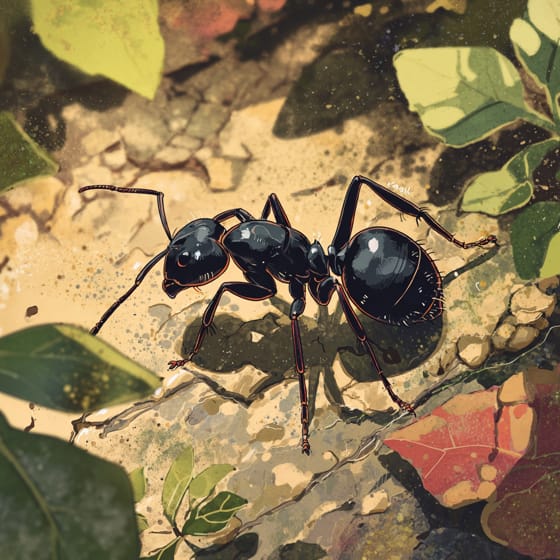
Lasius niger
Ants may aid in seed dispersal.
Flowering plants are any plants that produce flowers as part of their reproductive cycle.
Grass-like plants are herbaceous plants that visually resemble true grasses, typically having long, narrow leaves.
Edible plants are those parts of a plant that are considered safe for human consumption.
Grassland habitats are terrestrial biomes dominated by grasses and herbaceous plants, supporting a variety of grazing animals.
No aliases listed yet.
Danger
1/5 · Very low
Always explore plants with an adult and never eat anything you find outside without checking first.
The easiest way to identify Smooth Rupturewort is to use the Snappit nature identifier app.
5-15 cm
20-50 cm
0.1-0.2 cm
Summer
No
None
Annual
Zoom in to split clusters and explore where this object has been snapped.
Recent snaps will appear here as new observations are added.
Take the discovery with you
Snap it with Snappit to identify it, learn what makes it special, and add the discovery to your collection.








.jpg&width=800)



_001.jpg&width=800)



