





snake
snake
Snakes are long, slithery reptiles that can be found in many places around the world. They come in different colors and sizes, and some can even change their skin to blend in with their surroundings!
Habitat: Forests, Grasslands, Deserts
The snake has an elongated, cylindrical body covered in scales, typically lacking limbs or external ears. Their coloration varies wildly, from vibrant patterns of red, yellow, and black to earthy tones of brown, green, or grey, often blending seamlessly with their environment.
Category
ReptilesRarity
Common
Danger
3/5 · Moderate
Snaps
Be the first to snap!
Believe it or not, the smallest snake is thinner than a spaghetti noodle and lives underground!
Did you know some snakes can actually glide short distances by flattening their bodies?
Many snakes have over 200 pairs of ribs, helping them move and protect their internal organs!
Some snakes can go for months without eating after a big meal, like a python after swallowing a deer!
Snakes can 'see' heat using special pits on their face, which helps them hunt warm-blooded prey even in complete darkness.
A snake's jaw can unhinge and stretch wide, allowing them to swallow animals much bigger than their own head whole.
Snakes have unique scales and powerful muscles that let them slither silently and quickly across many different surfaces.
Snakes are skillful hunters that eat many kinds of animals, from tiny insects to large mammals.
Age differences: Young snakes often eat smaller prey like insects or worms before moving to larger animals.
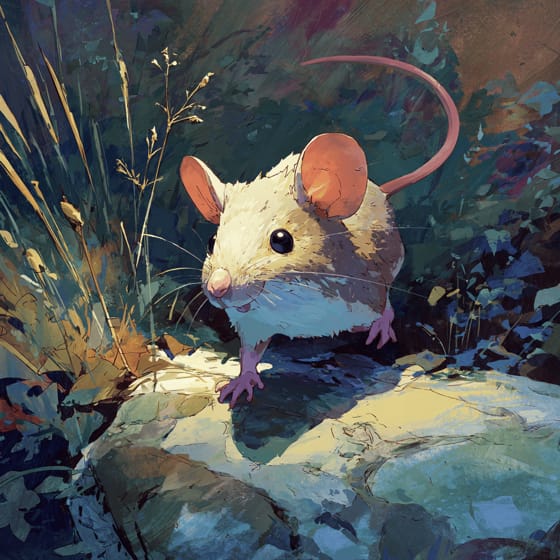
Mus musculus
Primary prey for many common snake species.
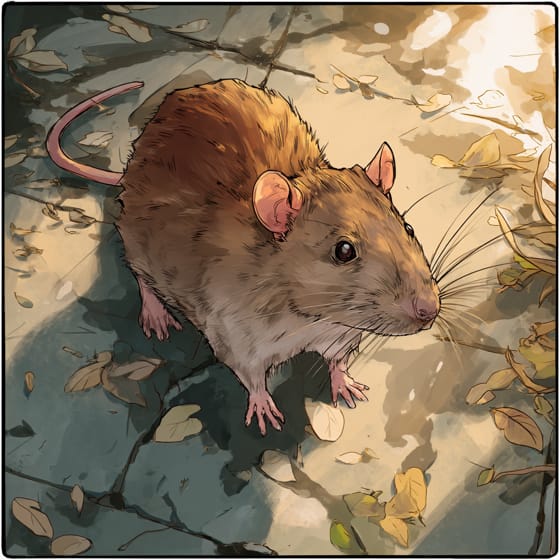
Rattus norvegicus
A significant food source, especially in human environments.
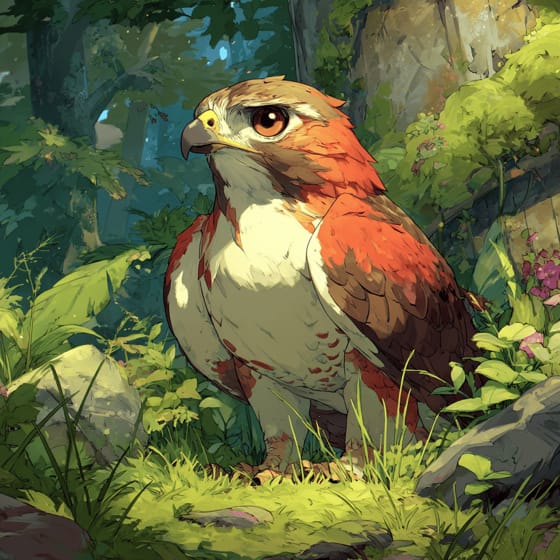
Buteo jamaicensis
A common raptor that preys on various snake species.
Mephitis mephitis
Skunks are known to eat snake eggs and sometimes young snakes.
Solitary animals live alone for most of their lives, only interacting with others for mating or parental care.
Camouflaged describes organisms that possess coloring or patterns that allow them to blend into their environment.
Colorful describes organisms or objects displaying a wide range of bright and distinct colors.
Grassland habitats are terrestrial biomes dominated by grasses and herbaceous plants, supporting a variety of grazing animals.

Desert habitats are arid regions characterized by extremely low precipitation and often extreme temperatures, supporting specialized flora and fauna.

An ambush predator hunts by patiently waiting and concealing itself, then launching a sudden attack when unsuspecting prey comes within range.

Forest habitats are terrestrial environments dominated by dense tree cover, supporting a high diversity of plant and animal life.

This trait identifies organisms whose diet consists entirely or primarily of animal tissue.

Describes a species whose presence and role have a disproportionately large effect on its environment.

This trait identifies organisms that exhibit exceptional swiftness in movement for hunting, escape, or travel.

Nocturnal animals are primarily active during the nighttime hours, typically resting or sleeping during the day.
Danger
3/5 · Moderate
If you see a snake, it's best to stay calm and walk away slowly. Never try to touch or catch one.
The easiest way to identify snake is to use the Snappit nature identifier app.
10-900 cm
0.01-250 kg
10-30 years
20 km/h
Snakes are skillful hunters that eat many kinds of animals, from tiny insects to large mammals.
8 km/h
Forests, Grasslands, Deserts
Zoom in to split clusters and explore where this object has been snapped.
Recent snaps will appear here as new observations are added.

England, UK
You might spot Red Panda and Ring-Tailed Lemur.
View guide →
Andalusia, ES
You might spot Tiger, African Lion, and Delonix.
View guide →
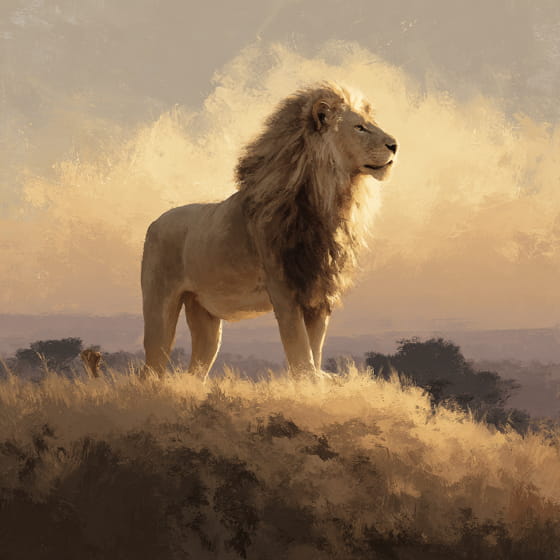
Texas, US
You might spot African Lion, Tiger, and Black Bear.
View guide →

Indiana, US
You might spot Shield Lichens, Sunburst Lichens, Rosette Lichens, and Allies.
View guide →
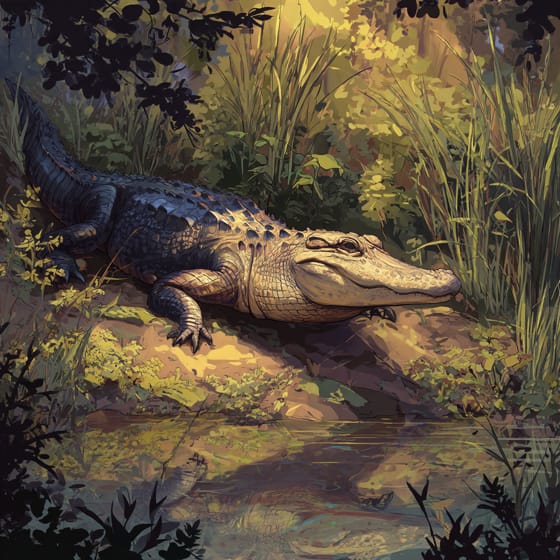
Florida, US
You might spot American Alligator, Crocodile, and Caiman.
View guide →
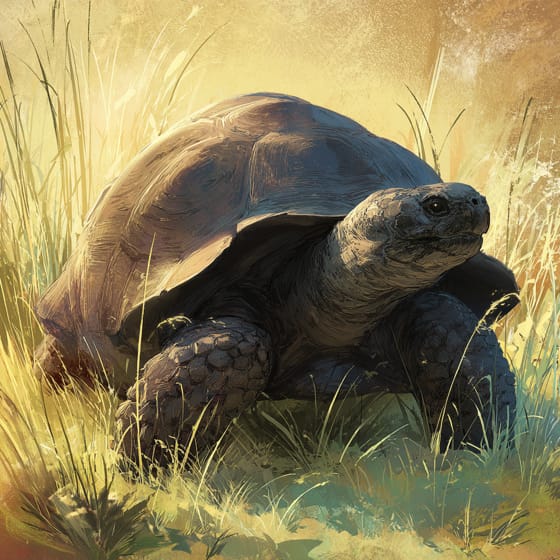
South Dakota, US
You might spot Aldabra Giant Tortoise and Saltwater Crocodile.
View guide →
Take the discovery with you
Snap it with Snappit to identify it, learn what makes it special, and add the discovery to your collection.











