





Snow Buckwheat
Eriogonum niveum
Snow Buckwheat is a beautiful plant with small, white flowers that look like little snowflakes. It grows in rocky places and is a favorite for butterflies and bees.
Habitat: Mountain regions
The Snow Buckwheat has fuzzy, silvery-green leaves forming low mounds. Its tiny, creamy white to pinkish flowers cluster densely on stalks, often looking like small, soft pom-poms from late spring into fall.
Category
PlantsRarity
Common
Danger
1/5 · Very low
Snaps
Be the first to snap!
It can grow in very harsh, dry places, proving it's one of nature's toughest little survivors!
Its scientific name, "niveum," means "snowy," perfectly describing its white, fluffy appearance!
Some people call it "snow buckwheat" because its flower clusters often look like tiny, soft snowballs!
The tiny flowers are so small, you might need a magnifying glass to see their intricate beauty!
Snow Buckwheat has fuzzy, woolly leaves that help it trap moisture and protect itself from harsh sun and dry winds.
Snow Buckwheat can grow a long taproot, helping it find water deep underground in dry, rocky soils.
Snow Buckwheat can thrive in rocky, challenging landscapes where many other plants struggle to grow.
Bombus bifarius
Visits flowers for nectar and pollen.
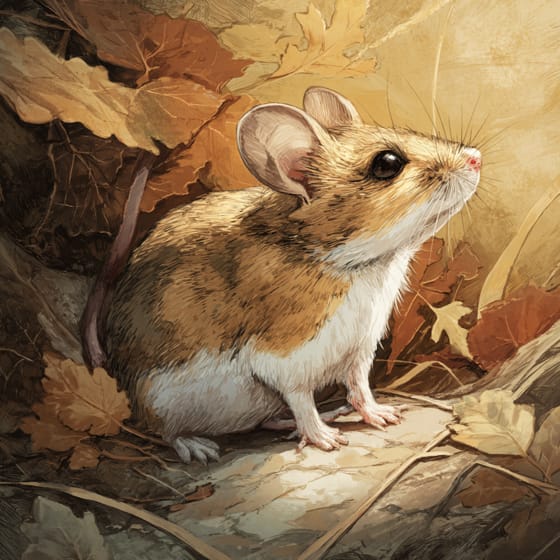
Peromyscus maniculatus
Consumes its energy-rich seeds.

Artemisia tridentata
Often grows alongside in shared dry habitats.

Papilio rutulus
A large butterfly that sips nectar.
Flowering plants are any plants that produce flowers as part of their reproductive cycle.
Medicinal plants possess chemical compounds that can be used for therapeutic purposes to treat illnesses or maintain health.
Drought-tolerant plants can survive and flourish in conditions with limited water availability.
Edible plants are those parts of a plant that are considered safe for human consumption.

Fall color refers to the seasonal change in foliage pigmentation, primarily in deciduous plants, displaying vibrant hues.

Describes plants that are particularly attractive and beneficial to a wide range of pollinating organisms.

This habitat trait identifies species found in mountainous regions, characterized by high elevation, steep slopes, and varying climate zones.
No aliases listed yet.
Danger
1/5 · Very low
Always look but don't touch wild plants, as some can be prickly or not safe.
The easiest way to identify Snow Buckwheat is to use the Snappit nature identifier app.
10-30 cm
10-50 cm
0.2-0.4 cm
Late Spring to Fall
No
None
Perennial
Zoom in to split clusters and explore where this object has been snapped.
Recent snaps will appear here as new observations are added.
Take the discovery with you
Snap it with Snappit to identify it, learn what makes it special, and add the discovery to your collection.








.jpg&width=800)



_001.jpg&width=800)



