





Snow Bunting
Plectrophenax nivalis
The Snow Bunting is a small, cheerful bird that loves cold places. With its white feathers and black wings, it looks like a little snowflake flying in the sky!
Habitat: Tundra
The Snow Bunting has striking white plumage with black wingtips and a black back in breeding males. In winter, both sexes show more brown mottling on their heads and backs. It's unique for its very white appearance, helping it blend into snowy environments.
Category
BirdsRarity
Common
Danger
1/5 · Very low
Snaps
3
Males sing beautiful, complex songs to attract a mate in the vast tundra.
Snow Buntings are among the most northerly breeding land birds on Earth!
These birds often build nests deep in rock crevices, safe from predators!
They can burrow into snow to find food or shelter from harsh storms!
Snow Buntings can survive frigid arctic winters because their dense feathers provide excellent insulation, helping them stay warm.
Snow Buntings have white plumage that helps them blend perfectly into snowy landscapes, making it hard for predators to spot them.
Snow Buntings have specialized scales on their feet that help prevent frostbite, allowing them to stand on ice and snow.
They mostly munch on seeds and insects, especially during the breeding season!
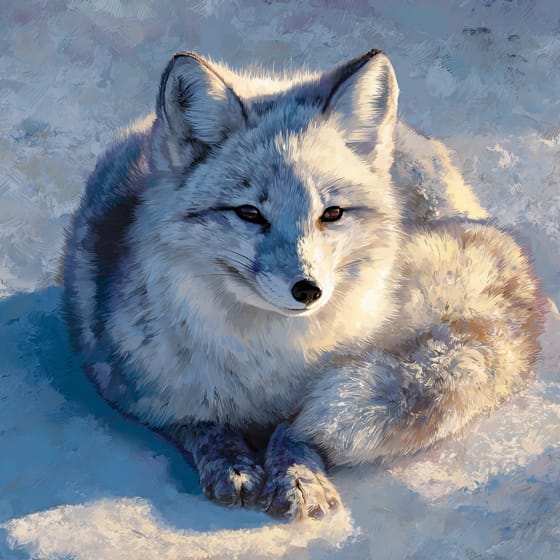
Vulpes lagopus
A common predator in their arctic habitat.
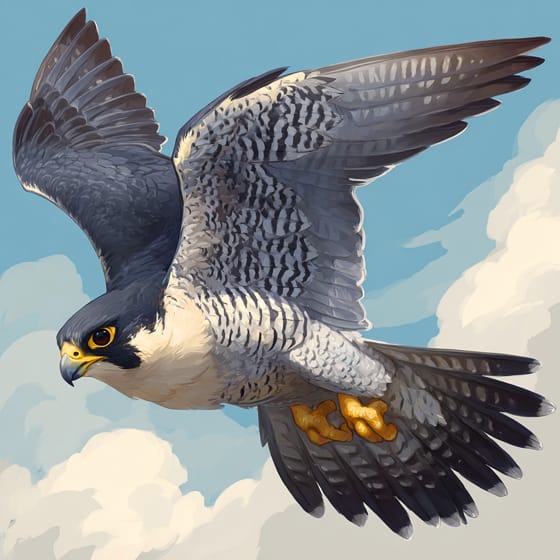
Falco peregrinus
A swift raptor that preys on small birds.
Salix arctica
Provides seeds, insects, and some shelter in the tundra.
Bombus polaris
An insect found in the Snow Bunting's arctic diet.
Feathered describes animals, primarily birds, possessing a covering of feathers.
Social animals live in organized groups, cooperating for survival benefits such as foraging, defense, and raising offspring.
Colorful describes organisms or objects displaying a wide range of bright and distinct colors.
This trait identifies organisms whose diet primarily consists of insects and other small invertebrates.

This habitat trait identifies species found in mountainous regions, characterized by high elevation, steep slopes, and varying climate zones.

This habitat trait refers to species inhabiting tundras, which are treeless biomes characterized by permafrost, cold temperatures, and low-growing vegetation.

Diurnal animals are primarily active during daylight hours, typically resting or sleeping at night.

Migratory animals undertake seasonal movements from one region to another, typically in response to changes in climate or food availability.
Danger
1/5 · Very low
Enjoy watching birds from a distance, and don't try to touch or catch them.
The easiest way to identify Snow Bunting is to use the Snappit nature identifier app.
15-18 cm
30-32 cm
0.026-0.04 kg
2-7 years
40 km/h
They mostly munch on seeds and insects, especially during the breeding season!
Tundra
Zoom in to split clusters and explore where this object has been snapped.
Dec 1, 2025
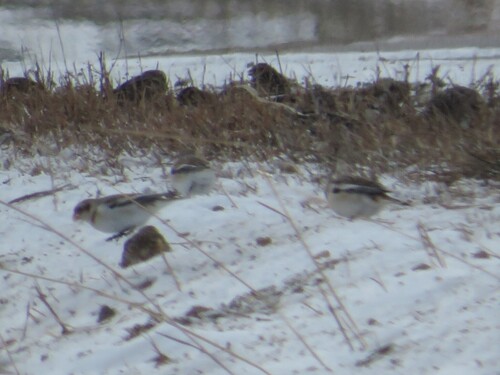
DanebodPhoto attribution
(c) Dani Alba, some rights reserved (CC BY)
License: CC BY 4.0 ↗
Image may be shown cropped inside the card frame.

New York, US
You might spot Bald Eagle, Common Eastern Bumble Bee, and Red-Tailed Hawk.
View guide →

Pennsylvania, US
You might spot Orange Hawkweed and Hickory Tussock Moth.
View guide →

Minnesota, US
You might spot Red-Tailed Hawk, Canada Goose, and Western Meadowlark.
View guide →

New York, US
You might spot Box Elder, Garter Snake, and Common Milkweed.
View guide →
Take the discovery with you
Snap it with Snappit to identify it, learn what makes it special, and add the discovery to your collection.




.jpg&width=800)







