




Bald Eagle

The Downtown Ossining Historic District is a captivating journey through time in Westchester County, New York.
The Downtown Ossining Historic District is a captivating journey through time in Westchester County, New York. This district, recognized as a historic district in 1989 and listed on the National Register of Historic Places, showcases a preserved core of 19th and early 20th-century architecture that tells the story of a thriving Hudson River village. It offers a unique blend of historical significance and a vibrant community spirit.
The district's "Crescent" area, formed by the curving Main Street, features an almost intact series of impressive masonry buildings representing late 19th-century mercantile architecture. Visitors can admire a variety of architectural styles including Italianate, Gothic Revival, Renaissance Revival, and Beaux-Arts, evident in the numerous commercial buildings, bank edifices, and four historic churches. The Old Croton Aqueduct, a National Historic Landmark, also bisects the district, offering a historic walkway.
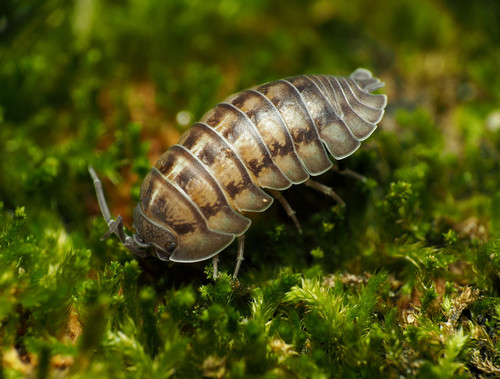
This charming downtown area is not just a collection of old buildings; it's a living, breathing neighborhood with local businesses, diverse restaurants, and scenic views of the Hudson River. Exploring the Downtown Ossining Historic District provides a tangible connection to the past, making it a memorable destination for history buffs and architecture enthusiasts alike. Wondering what that bird or insect is? Find out on your visit using the Snappit nature app.
The story of Downtown Ossining began in the late 18th century as a bustling crossroads, flourishing with industry, the presence of Sing Sing Prison, and the development of the railroad along the Hudson River shore. By the mid-19th century, the downtown area was fully developed, and Ossining became Westchester's first incorporated village in 1813. However, the district was reshaped by significant events in the latter half of the 19th century. The construction of the Old Croton Aqueduct in the 1830s necessitated the demolition of some buildings, and a series of fires in the early 1870s destroyed others. Consequently, most of the buildings that stand today were constructed between the 1870s and the early 1930s, showcasing the architectural trends of that era. The district was officially recognized and listed on the National Register of Historic Places in 1989, with some individual properties like the First Baptist Church having been listed even earlier.
Take a self-guided walking tour using resources like the "Museum in the Streets" tour to learn about specific buildings and their history.
* Admire the late 19th and early 20th-century commercial buildings, noting the Italianate, Gothic Revival, and Renaissance Revival architectural styles.
* Visit notable landmarks such as the First Baptist Church of Ossining (1 Church Street), the First Presbyterian Church (34 South Highland Avenue), and the Ossining Municipal Building (16 Croton Avenue).
* Stroll along the brick-paved walkway of the Old Croton Aqueduct.
* Explore the local shops and diverse restaurants, which reflect the area's vibrant community and Latin American/Portuguese immigrant populations.
* Enjoy scenic views of the Hudson River from various vantage points within or near the district.
Spring/Summer: Ideal for walking tours, outdoor dining, and possibly catching the Farmers' Market on Saturday mornings.
Fall: Enjoy the crisp weather and fall foliage in the Hudson Valley while exploring the historic streets.
Winter: The district remains accessible, but some outdoor activities may be limited by colder weather.
The downtown area is generally walkable, with sidewalks throughout. For specific building accessibility, it's advisable to check with individual establishments. The Old Croton Aqueduct features a walkway.
The architectural variety of the Crescent, historic churches like the First Baptist Church and First Presbyterian Church, the Ossining Municipal Building, the Old U.S. Post Office, and the walkable portion of the Old Croton Aqueduct.
Each card links to a full Explore page with photos, traits, and fun facts.






































Start with the big picture, then zoom in to explore individual wildlife observations around this place.
Wear comfortable walking shoes, as the best way to experience the district is on foot.
Pick up a self-guided walking tour map (like the "Museum in the Streets" map) from a local information center, Village Hall, or the Ossining Public Library to enhance your exploration.
Allow time to explore the diverse local businesses, including restaurants, for an authentic taste of Ossining's community.
If visiting on a Saturday, check for the Farmers' Market, which often takes place in the downtown area.
Don't miss a stroll along the Old Croton Aqueduct pathway, which offers a unique historical perspective and a pleasant walk.
Consider visiting the Ossining Public Library, itself a significant building with modern architecture, and a hub for community information.
Jun 19, 2026
Jun 19, 2026
Jun 17, 2026
Jun 17, 2026
Jun 17, 2026

Maryland, US
You might spot White-Tailed Deer and Eastern Gray Squirrel.
View guide →
.jpg)
District of Columbia, US
You might spot Eastern Gray Squirrel, Duck, and House Sparrow.
View guide →

Illinois, US
You might spot American Robin, Canada Goose, and House Sparrow.
View guide →

Virginia, US
You might spot Spotted Lanternfly and Northern Cardinal.
View guide →
Take the discovery with you
Identify the wildlife you spot, learn as you go, and keep a collection of the adventure.
.jpg&width=800)