





Solomon's seals
Polygonatum
Solomon's seals are beautiful plants with arching stems and bell-shaped flowers. They grow in shady places and are loved by many for their unique shape and lovely green leaves.
Habitat: Forests
The Solomon's seals has arching, unbranched stems with oval leaves arranged alternately, often on one side. Small, bell-shaped, greenish-white flowers dangle in pairs or clusters beneath the leaf axils. The plant produces small, dark blue to black berries.
Category
PlantsRarity
Common
Danger
1/5 · Very low
Snaps
Be the first to snap!
Its dark berries look tempting, but eating them causes tummy aches!
Native Americans historically used the plant's roots for various traditional medicines!
Some Solomon's seals can live underground for over 100 years!
The marks left on its rootstock look like ancient wax seals!
Solomon's seals can spread widely using thick rhizomes that explore the soil to find new growing space.
Solomon's seals has leaves arranged on one side of its arching stem, helping it catch maximum sunlight in dim forests.
Solomon's seals marks each year's growth with a scar on its root, showing how old the plant is!
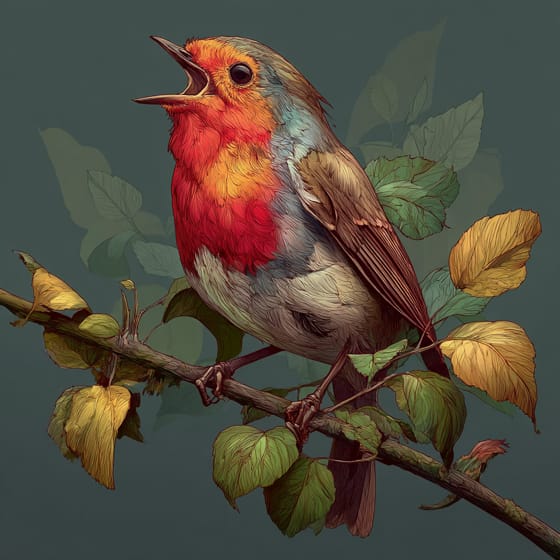
Turdus migratorius
eats the plant's dark berries
Apis mellifera
gathers nectar from its small flowers

Odocoileus virginianus
browses on young foliage and stems
Bell-shaped flowers possess petals fused or arranged to form a cup-like or campanulate structure resembling a bell.
Deciduous plants periodically shed all their leaves, typically during autumn or dry seasons.
Flowering plants are any plants that produce flowers as part of their reproductive cycle.
Ornamental plants are cultivated primarily for their aesthetic appeal, enhancing landscapes and gardens with their attractive foliage, flowers, or form.

Shade tolerant plants are adapted to grow and thrive in areas with low light levels, requiring less direct sunlight.

Forest habitats are terrestrial environments dominated by dense tree cover, supporting a high diversity of plant and animal life.
No aliases listed yet.
Danger
1/5 · Very low
Always look but don't touch plants unless you know they are safe.
The easiest way to identify Solomon's seals is to use the Snappit nature identifier app.
30-90 cm
30-60 cm
1-2 cm
Spring_early_summer
No
Mild
Perennial
Zoom in to split clusters and explore where this object has been snapped.
Recent snaps will appear here as new observations are added.
Take the discovery with you
Snap it with Snappit to identify it, learn what makes it special, and add the discovery to your collection.






.jpg&width=800)



_001.jpg&width=800)



