





Southern California clematis
Clematis pauciflora
The Southern California clematis is a beautiful flower that grows in sunny places. Its lovely purple blooms can make any garden look special and attract butterflies and bees.
Habitat: Urban areas
The Southern California clematis is a scrambling vine with deeply cut, often grayish-green leaves. Its delicate, star-shaped flowers are creamy white to pale yellow, appearing in clusters and revealing fuzzy centers with many stamens.
Category
PlantsRarity
Common
Danger
1/5 · Very low
Snaps
Be the first to snap!
Its seeds wear fuzzy "hats" that help them float and spin through the air like tiny acrobats!
Look closely: tiny insects love to sip nectar from its small, star-shaped flowers that pop open early!
Some people call this plant "pipestem clematis" because its hollow stems can look like small pipes!
This tough vine can live for many, many years, growing bigger each spring!
Southern California clematis can scramble and climb over other plants to reach sunlight, giving it an advantage in crowded areas.
It has evolved to bloom early in the year, producing flowers before the hot, dry California summer arrives.
Its seeds have long, feathery tails that act like parachutes, carrying them far away on the wind to new growing spots.
This clematis contains compounds that give it a slightly bitter taste, which can deter most hungry animals from eating too much.
Apis mellifera
Visits small flowers for nectar and pollen.

Bombus melanopygus
An important native pollinator for early blooms.
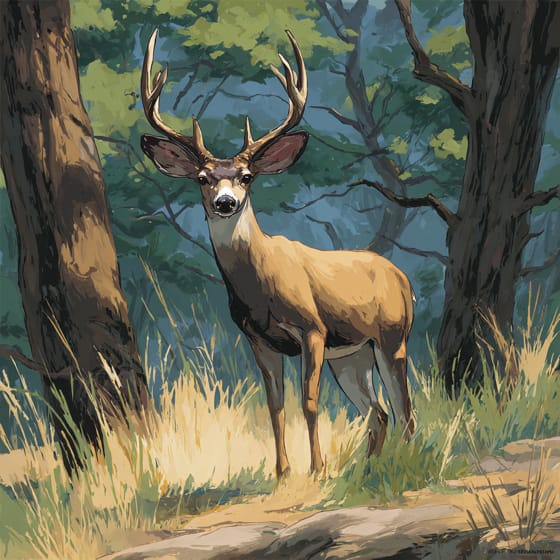
Odocoileus hemionus
May browse leaves, despite mild toxicity.

Quercus agrifolia
Often uses larger plants like oaks for climbing support.
Climbing or vine plants are characterized by a growth habit that allows them to ascend upwards by twining, tendrils, or adhesive roots.
Flowering plants are any plants that produce flowers as part of their reproductive cycle.
Summer blooming plants produce their flowers during the summer season, often providing vibrant color when many other plants have finished.
Fragrant flowers emit a pleasant aroma, often to attract pollinators or for defense.

Drought-tolerant plants can survive and flourish in conditions with limited water availability.

Describes plants that are particularly attractive and beneficial to a wide range of pollinating organisms.

This habitat trait indicates species that can coexist with humans in urban and suburban environments, utilizing man-made structures and green spaces.
No aliases listed yet.
Danger
1/5 · Very low
Always look but don't touch flowers without asking an adult.
The easiest way to identify Southern California clematis is to use the Snappit nature identifier app.
100-300 cm
50-200 cm
1-2 cm
Late winter to early spring
No
Mild
Perennial
Zoom in to split clusters and explore where this object has been snapped.
Recent snaps will appear here as new observations are added.
Take the discovery with you
Snap it with Snappit to identify it, learn what makes it special, and add the discovery to your collection.








.jpg&width=800)


_001.jpg&width=800)




