





sow thistles
Sonchus
Sow thistles are bright yellow flowers that grow in many places. They have soft, fuzzy leaves and can be found in gardens and fields. These plants are fun to spot because they often attract butterflies!
Habitat: Urban areas
The sow thistles has bright yellow, dandelion-like flowers with many thin petals atop hollow, often purplish stems. Its green leaves are deeply lobed or toothed, sometimes prickly, and clasp the stem, releasing milky sap when broken.
Category
PlantsRarity
Common
Danger
1/5 · Very low
Snaps
Be the first to snap!
Its leaves are packed with vitamins and can be eaten by people like spinach!
Pigs absolutely love to munch on sow thistles, which is how they got their name!
Snap a stem and watch milky white "plant milk" ooze out like magic!
This plant is a super fast grower, sometimes shooting up a foot in just weeks!
Sow thistles can ooze milky white sap that helps deter hungry animals from eating its leaves.
Sow thistles has tiny seeds with fluffy parachutes that help them float far on the wind.
Sow thistles can regrow from root fragments, making it incredibly tough to remove and spread widely.
Apis mellifera
collecting nectar and pollen
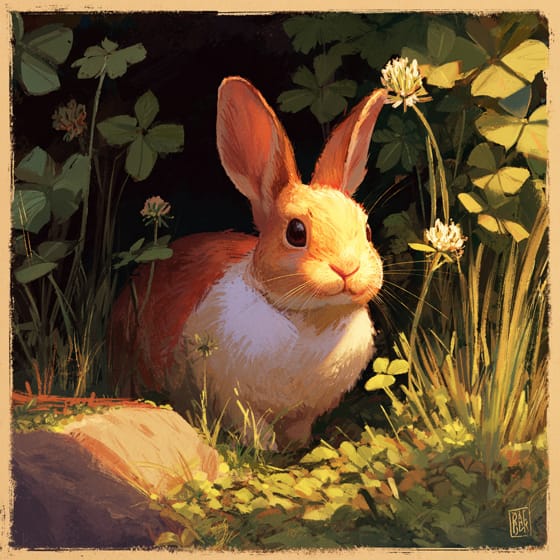
Oryctolagus cuniculus
a common food source for rabbits
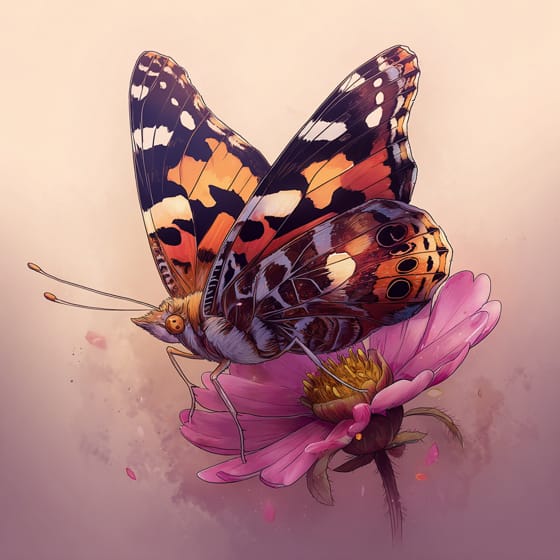
Vanessa cardui
caterpillars feed on its leaves for growth
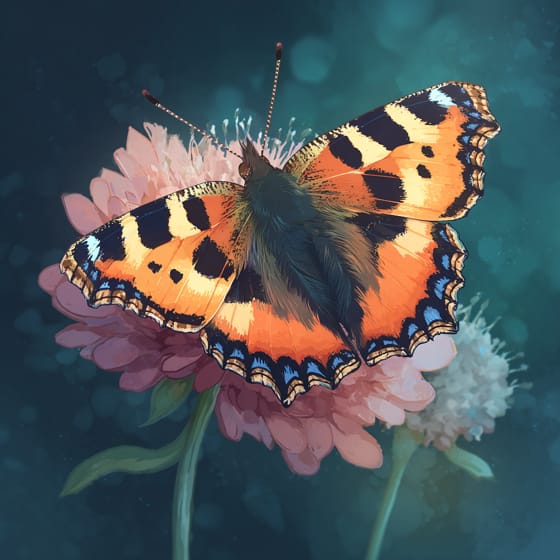
Aglais urticae
its caterpillars sometimes feed on sow thistle
Furry describes animals possessing a dense covering of soft hair or fur.
Flowering plants are any plants that produce flowers as part of their reproductive cycle.
Spring blooming plants produce their flowers during the spring season, often signifying the end of winter and the start of new growth.
Summer blooming plants produce their flowers during the summer season, often providing vibrant color when many other plants have finished.

Medicinal plants possess chemical compounds that can be used for therapeutic purposes to treat illnesses or maintain health.

Edible plants are those parts of a plant that are considered safe for human consumption.

Describes plants that are particularly attractive and beneficial to a wide range of pollinating organisms.

This habitat trait indicates species that can coexist with humans in urban and suburban environments, utilizing man-made structures and green spaces.
No aliases listed yet.
Danger
1/5 · Very low
Always ask an adult before touching or picking any plants.
The easiest way to identify sow thistles is to use the Snappit nature identifier app.
30-150 cm
30-60 cm
1-2 cm
Spring to Fall
Yes
None
Annual
Zoom in to split clusters and explore where this object has been snapped.
Recent snaps will appear here as new observations are added.
Take the discovery with you
Snap it with Snappit to identify it, learn what makes it special, and add the discovery to your collection.








.jpg&width=800)



_001.jpg&width=800)



