





Spanish Needles
bidens bipinnata
Spanish Needles are bright yellow flowers that can be found in fields and along roadsides! They are fun to observe because they attract butterflies and other pollinators.
Habitat: Fields, roadsides, and disturbed areas in warm climates.
The Spanish Needles has slender stems and finely divided, fern-like leaves. Its small yellow flowers often lack noticeable petals, appearing as a cluster of disc florets. The distinguishing feature is its dark, barbed seeds, which resemble tiny needles.
Category
PlantsRarity
Common
Danger
0/5 · No known danger
Snaps
2
Its name comes from seeds that cling like tiny grappling hooks!
Native Americans once used its roots to make a bright yellow dye!
The tiny flowers provide nectar for many small, buzzing insects.
This plant is a master of disguise, often mistaken for a weed.
Spanish Needles seeds have barbs that help them stick to fur and clothes, allowing the plant to spread far and wide.
Spanish Needles can thrive in poor, disturbed soils, making it a pioneer in areas where other plants struggle.
The unique, barbed seeds are perfectly designed to cling tightly, ensuring successful dispersal by animals and people.
Apis mellifera
Gathers nectar and pollen from flowers.
Bombus impatiens
Visits flowers for nectar and pollen.
.JPG&width=800)
Sylvilagus floridanus
Browses on young shoots and leaves.
Colorful describes organisms or objects displaying a wide range of bright and distinct colors.
Grassland habitats are terrestrial biomes dominated by grasses and herbaceous plants, supporting a variety of grazing animals.
This trait characterizes organisms whose diet consists entirely or primarily of plant material.
Diurnal animals are primarily active during daylight hours, typically resting or sleeping at night.

Describes organisms that transfer pollen, enabling the fertilization and reproduction of plants.
Danger
0/5 · No known danger
No special safety notes yet.
The easiest way to identify Spanish Needles is to use the Snappit nature identifier app.
30-150 cm
30-90 cm
0.5-1 cm
Summer-fall
Yes
None
Annual
Zoom in to split clusters and explore where this object has been snapped.
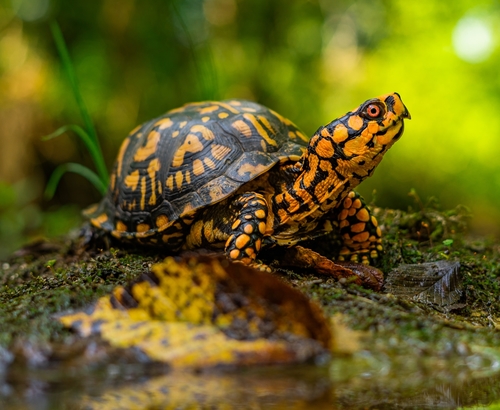
Indiana, US
You might spot Eastern Box Turtle, American Beech, and Common Coral Slime.
View guide →

Virginia, US
You might spot Bluegill, Garter Snake, and Eastern Box Turtle.
View guide →
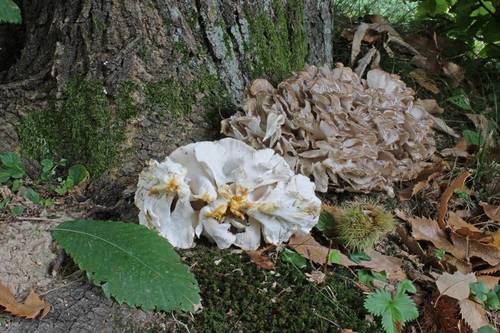
Virginia, US
You might spot Hen Of The Woods, White Oak, and Harlequin Glorybower.
View guide →
Take the discovery with you
Snap it with Snappit to identify it, learn what makes it special, and add the discovery to your collection.









.jpg&width=800)



_001.jpg&width=800)




