




Spittlebugs And Froghoppers
cercopoidea
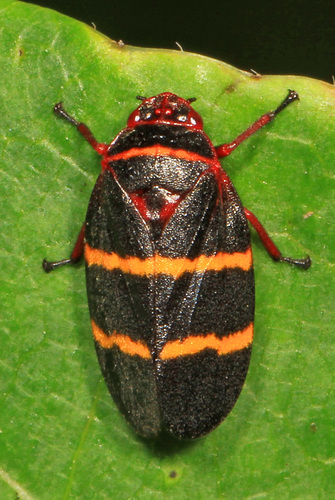
Spittlebugs and froghoppers, members of the superfamily Cercopoidea, are remarkable little insects famous for their extraordinary jumping abilities and the unique foaming habit of their nymphs. Adult froghoppers are champion jumpers, capable of leaping vast distances to escape predators. The nymphs, commonly known as spittlebugs, live nestled inside a protective, frothy mass resembling spit. This 'spittle' is actually a highly specialized mixture of liquid waste and air bubbles, which shields the delicate nymphs from desiccation, temperature swings, and hungry predators. Found across the globe, these insects are vital components of their ecosystems, serving as a food source for many birds and spiders while feeding harmlessly on plant sap in most cases. Their presence is a classic sign of late spring and early summer in meadows, lawns, and woodlands.
Habitat: Found globally in diverse terrestrial environments including grasslands, meadows, gardens, and forest edges where host plants are abundant.
Adult froghoppers are small, stout insects, generally measuring between 1 and 2 cm in length, with a frog-like head and large eyes. Their bodies are typically brown, green, or gray to camouflage with vegetation, though some species exhibit bold patterns of black, red, or yellow. Their wings are held tent-like over their bodies, and they have thickened hind legs adapted for explosive jumping. The nymphs are soft-bodied, pale yellow or green, and are almost always discovered hidden inside a white, frothy, soap-bubble-like mass on plant stems.
Category
InsectsRarity
Common
Danger
1/5 · Very low
Snaps
Be the first to snap!
Because xylem sap has very low nutritional value, spittlebugs must drink up to 300 times their body weight in fluid every day, constantly filtering and excreting the excess.
The spittlebug's foam nest is so durable it can survive heavy rainstorms and keeps the nymph inside perfectly insulated from temperature fluctuations.
They can jump with an initial acceleration that subjects them to forces equivalent to over 400 times gravity.
Adults can store energy in their thorax and release it like a catapult, launching themselves up to 70 centimeters high at accelerations of 4,000 meters per second squared.
Nymphs produce a protective bubble nest by pumping air into specialized liquid excretions, preventing dehydration and shielding them from predators.
Possess powerful muscular pumps in their heads that allow them to suck nutrient-poor xylem sap under high negative pressure.
They feed exclusively on the sap of plants, specifically targeting nutrient-poor xylem fluid using specialized piercing-sucking mouthparts.

Trifolium pratense
Feeds on the sap of this common meadow plant, which serves as a vital host plant for nymph development.

Passer domesticus
Actively preys on adult froghoppers found hopping through grassy fields.
Rana temporaria
Preys on both adults and exposed nymphs in damp grassy habitats.
Grassland habitats are terrestrial biomes dominated by grasses and herbaceous plants, supporting a variety of grazing animals.
This trait characterizes organisms whose diet consists entirely or primarily of plant material.
Diurnal animals are primarily active during daylight hours, typically resting or sleeping at night.
Pertaining to species that are significantly smaller than typical or average for their kind.
This trait identifies organisms that exhibit exceptional swiftness in movement for hunting, escape, or travel.
Describes organisms that transfer pollen, enabling the fertilization and reproduction of plants.
Collections for this object will appear here as more themes are added.
Danger
1/5 · Very low
No special safety notes yet.
Look for six legs, antennae, three body sections and the shape of the wings. Beetles have hardened front wings; flies have just one working pair. Tiny insects may need a close view before their group is clear. Insect Identifier: upload a photo and compare the visible details.
1+ cm
1+ cm
0.00001+ kg
1+ years
They feed exclusively on the sap of plants, specifically targeting nutrient-poor xylem fluid using specialized piercing-sucking mouthparts.
Found globally in diverse terrestrial environments including grasslands, meadows, gardens, and forest edges where host plants are abundant.
Grazingcustomaryinfonotetheexacttermisgrazingorforagingbuttheyaresapsuckersjustselectgrazingforsimplictyandstrictnessandcompliancewithformatrequirementsjustkeepingstrictvaluefromselectedlistornullusinggrazingasstringasrequestedbyrulesthatlimitoptionstograzingorpursuitorambushorfilterorforaginggrazingishighlyappropriateastheysipforageonplantsusinggrazingmethodforsapfeedinglikeaphidsandothersinsectssuckingplantjuicetheschemaallowsgrazingsoselectedthatbutwewillprovidesimplifiedwordlikegrazingformaximumstrictcomplianceandsafetynocontrolcharactersusedatallandsinglelinejsonensuredstrictlywithouttabsornewlinesandvalidtomaxextentpossibleandcorrectjsonwithoutanyerrorsindeedalsoletusensureprimaryfoodsisperfectandhuntingmethodisoneofthemletusselectgrazingasallowedvaluebyinstructionorsimplyusenullasschemaallowstypestringornullforhuntingmethodletususegrazingtobehighlyspecificorjustgrazinginquotesasallowedtypeorsimplygrazingwhichisexcellent.wait, The Prompt Says: "huntingmethod: Pursuit, Ambush, Foraging, Grazing, Filtering, Etc.". So 'grazing' Is Perfectly Valid. Let's Use "grazing".isthatall?yes.let'scontinue.
Zoom in to split clusters and explore where this object has been snapped.
Recent snaps will appear here as new observations are added.
Oklahoma, US
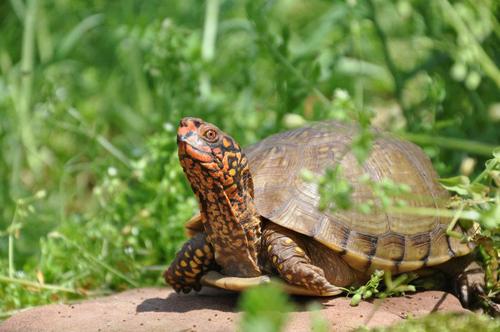
You might spot Three-Toed Box Turtle and Blackjack Oak.
View guide →
Maine, US
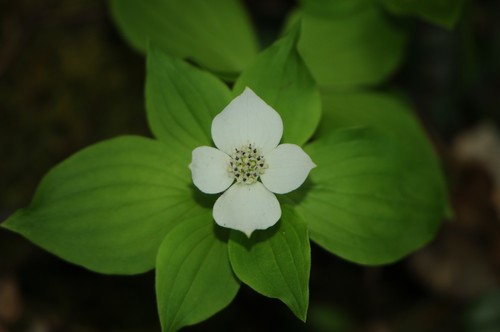
You might spot Canadian Bunchberry, Osprey, and Saltmarsh Greenhead Flies.
View guide →

British Columbia, CA
You might spot Common Bracken, Vanilla Leaf, and Western Sword Fern.
View guide →
Oregon, US
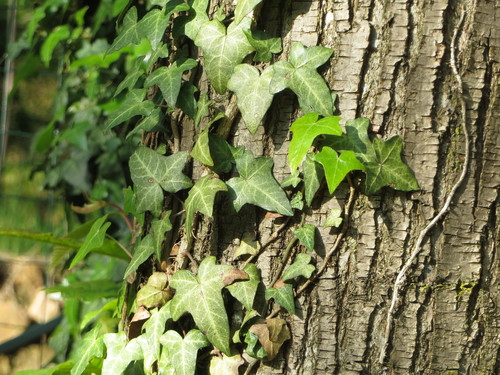
You might spot Ivy, Plums, Cherries, and Allies, and Tree-Of-Heaven.
View guide →
Take the discovery with you
Snap it with Snappit to identify it, learn what makes it special, and add the discovery to your collection.