





Spotted Ground Squirrel
Xerospermophilus spilosoma
The Spotted Ground Squirrel is a small, playful animal with a spotted coat. They love to dig and can often be seen running around in grassy areas, looking for food and playing with friends.
Habitat: Grasslands
The Spotted Ground Squirrel has a slender body with brownish-grey fur covered in distinct small white spots. It has a relatively short, thin tail compared to tree squirrels. Its light belly helps it blend into the sandy ground.
Category
MammalsRarity
Common
Danger
1/5 · Very low
Snaps
Be the first to snap!
Some can go a whole year without drinking water, getting it all from their food!
These squirrels sometimes share their burrows with rattlesnakes, oddly enough!
They collect food in special cheek pouches that can stretch bigger than their head!
They seal their burrow entrances with dirt to nap safely inside!
Spotted Ground Squirrels can dig burrows quickly that help them hide from predators and escape the desert heat.
Spotted Ground Squirrels can stand tall on their hind legs to watch for danger, alerting others with chirps.
Spotted Ground Squirrels can enter estivation, a deep sleep that helps them survive hot, dry times with little food.
Spotted Ground Squirrels have a spotted coat that helps them blend perfectly into their rocky or sandy surroundings.
These tiny omnivores munch on seeds, plants, and bugs they find on the ground!
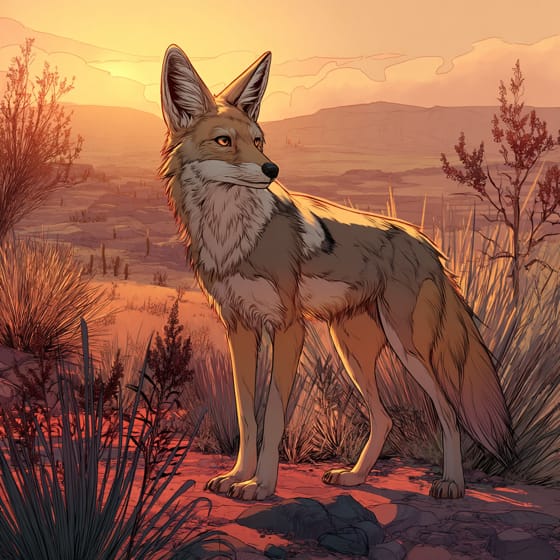
Canis latrans
A primary predator in its habitat.
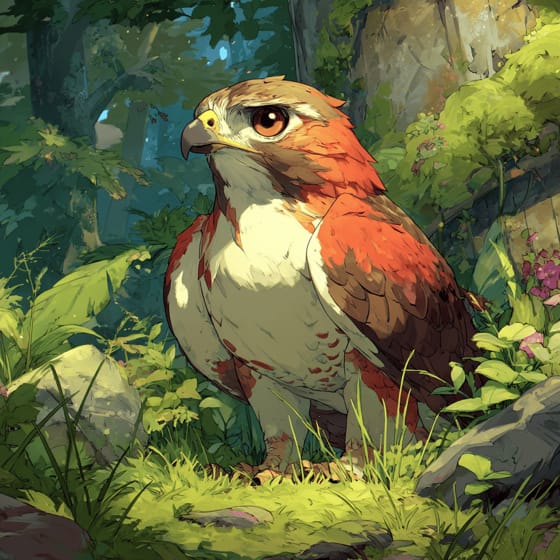
Buteo jamaicensis
Hunts them from the sky.
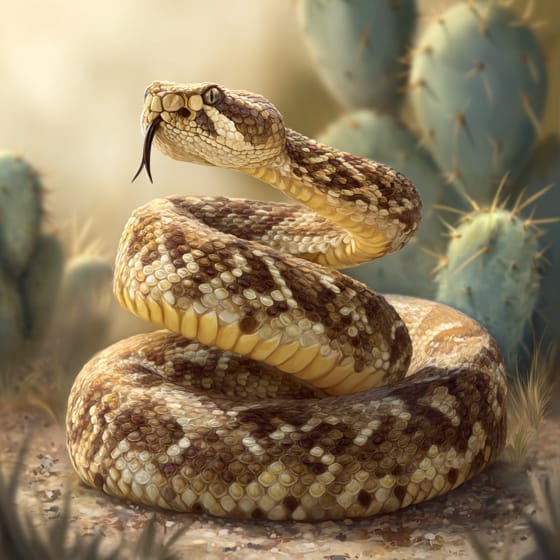
Crotalus atrox
Predates them both in burrows and above ground.
Opuntia engelmannii
Feeds on its fruits and pads for food and water.
Furry describes animals possessing a dense covering of soft hair or fur.
Marked with spots or patches of a different color.
Social animals live in organized groups, cooperating for survival benefits such as foraging, defense, and raising offspring.
Burrowing animals dig tunnels and chambers in the ground, using these subterranean structures for shelter, hunting, or breeding.

Grassland habitats are terrestrial biomes dominated by grasses and herbaceous plants, supporting a variety of grazing animals.

This trait characterizes organisms whose diet consists entirely or primarily of plant material.

Diurnal animals are primarily active during daylight hours, typically resting or sleeping at night.

This trait identifies organisms that exhibit exceptional swiftness in movement for hunting, escape, or travel.
No aliases listed yet.
Danger
1/5 · Very low
Watch from a distance and don’t try to touch or catch them, as they are wild animals.
The easiest way to identify Spotted Ground Squirrel is to use the Snappit nature identifier app.
20-28 cm
0.1-0.25 kg
2-5 years
25 km/h
These tiny omnivores munch on seeds, plants, and bugs they find on the ground!
Grasslands
Foraging
Zoom in to split clusters and explore where this object has been snapped.
Recent snaps will appear here as new observations are added.
Take the discovery with you
Snap it with Snappit to identify it, learn what makes it special, and add the discovery to your collection.




.jpg&width=800)


.JPG&width=800)
.jpg&width=800)
