





spotted mandarin
Prosartes maculata
The spotted mandarin is a lovely plant with beautiful, spotted leaves. It grows in shady places and has pretty yellow flowers that bloom in spring. This plant is special because it likes to hide in the forest!
Habitat: Forests
The spotted mandarin is a slender perennial with oval, light green leaves uniquely marked with dark purplish-brown spots, giving it a distinctive speckled appearance. Its delicate, bell-shaped, creamy-yellow flowers hang gracefully, later developing into small, bright orange-red berries.
Category
PlantsRarity
Common
Danger
1/5 · Very low
Snaps
Be the first to snap!
Even though its berries look tasty, eating too many can give you a tummy ache!
It belongs to the lily family, but its bell-shaped flowers don't look like typical lilies!
Its scientific name, Prosartes, means 'to hang down,' referring to its elegant, drooping flowers!
The plant's common name 'mandarin' refers to its cheerful, citrus-like orange berries!
This plant produces bright orange-red berries that act as a visual signal, helping it attract birds to spread its seeds.
The spotted mandarin can thrive in deep forest shade, allowing it to capture sunlight where other plants struggle to grow.
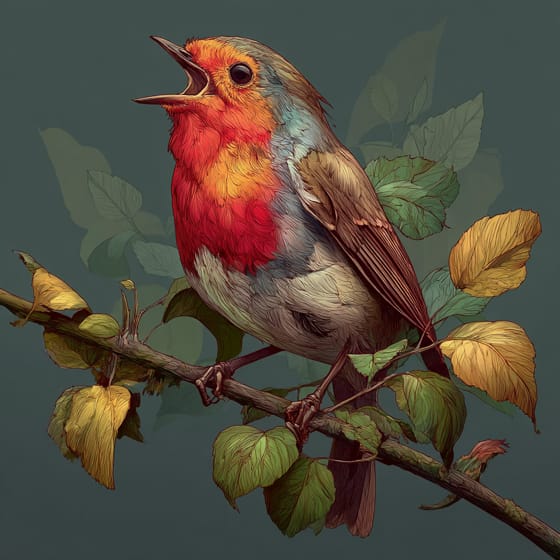
Turdus migratorius
consumes its orange-red berries
Bombus impatiens
visits its bell-shaped flowers for nectar

Odocoileus virginianus
browses on its foliage, especially young shoots
Marked with spots or patches of a different color.
Deciduous plants periodically shed all their leaves, typically during autumn or dry seasons.
Flowering plants are any plants that produce flowers as part of their reproductive cycle.
Shade tolerant plants are adapted to grow and thrive in areas with low light levels, requiring less direct sunlight.

Spring blooming plants produce their flowers during the spring season, often signifying the end of winter and the start of new growth.

Describes plants that are particularly attractive and beneficial to a wide range of pollinating organisms.

Forest habitats are terrestrial environments dominated by dense tree cover, supporting a high diversity of plant and animal life.
No aliases listed yet.
Danger
1/5 · Very low
Always look but don't touch plants unless you know they are safe!
The easiest way to identify spotted mandarin is to use the Snappit nature identifier app.
30-60 cm
15-30 cm
1-2 cm
Spring
No
Mild
Perennial
Zoom in to split clusters and explore where this object has been snapped.
Recent snaps will appear here as new observations are added.
Take the discovery with you
Snap it with Snappit to identify it, learn what makes it special, and add the discovery to your collection.






.jpg&width=800)



_001.jpg&width=800)



