





Spotted Orbweavers
neoscona
Spotted Orbweavers are colorful spiders that spin beautiful webs in gardens and forests. They help keep the environment healthy by catching pesky insects!
Habitat: Spotted Orbweavers live in gardens, forests, and fields, often found among plants where they can spin their webs.
The Spotted Orbweaver has a plump, oval abdomen often yellowish-brown to reddish-brown, marked with a distinctive pattern of dark spots, lines, or a cross-like shape. Its cephalothorax is smaller and darker, and its robust legs are frequently banded.
Category
InsectsRarity
Common
Danger
1/5 · Very low
Snaps
9
Did you know their silk is super strong? Stronger than steel by weight!
Female Spotted Orbweavers are much bigger than males, sometimes twice their size!
Some orbweavers eat their old webs every morning to recycle the silk!
They often hang upside down in their webs, patiently waiting for a snack.
Spotted Orbweavers can spin intricate, strong, and sticky orb webs because of specialized spinnerets that produce various types of silk, helping them catch flying insects.
Spotted Orbweavers can re-ingest and rebuild their entire web almost every night, helping them maintain a fresh, effective trap and hide from predators.
Spotted Orbweavers has tiny hairs and slit sensilla on their legs that detect web vibrations, helping them know when prey is caught or predators are near.
These eight-legged hunters mostly eat flying insects caught in their amazing sticky webs.
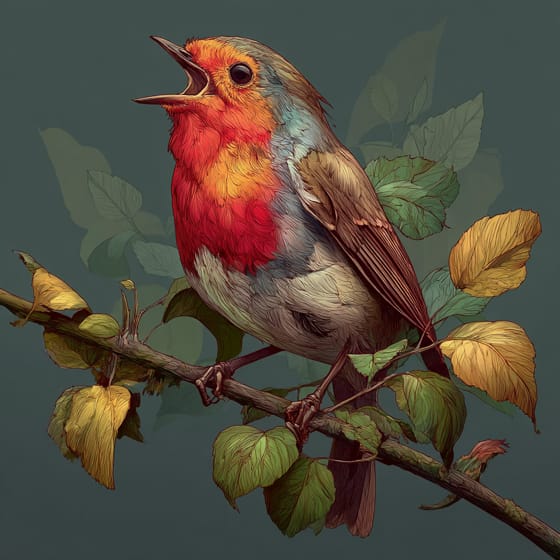
Turdus migratorius
Birds often prey on orbweavers in their webs.
Sceliphron caementarium
These wasps paralyze spiders to feed their young.
Musca domestica
A primary food source caught in their sticky webs.
Aedes aegypti
Orbweavers help control mosquito populations.
Marked with spots or patches of a different color.
Arboreal animals live primarily in trees, utilizing them for shelter, food, and protection from predators.
This trait identifies organisms whose diet consists entirely or primarily of animal tissue.
Diurnal animals are primarily active during daylight hours, typically resting or sleeping at night.

Nocturnal animals are primarily active during the nighttime hours, typically resting or sleeping during the day.
Danger
1/5 · Very low
No special safety notes yet.
The easiest way to identify Spotted Orbweavers is to use the Snappit nature identifier app.
5-20 mm
200-365 days
These eight-legged hunters mostly eat flying insects caught in their amazing sticky webs.
Spotted Orbweavers live in gardens, forests, and fields, often found among plants where they can spin their webs.
Ambush
8
Zoom in to split clusters and explore where this object has been snapped.

Indiana, US
You might spot Eastern Fox Squirrel, Duck, and Canada Goose.
View guide →

Texas, US
You might spot Eastern Fox Squirrel and Great-Tailed Grackle.
View guide →

Virginia, US
You might spot Osage-Orange, Purple Finch, and Turkey.
View guide →

Mississippi, US
You might spot Gulf Fritillary, Gray Ratsnake, and Spotted Orbweavers.
View guide →

Georgia, US
You might spot Silk Tree, Joro Spider, and Kingsnake.
View guide →

Nebraska, US
You might spot American Robin and Hackberry Nipplegall Psyllid.
View guide →
Take the discovery with you
Snap it with Snappit to identify it, learn what makes it special, and add the discovery to your collection.








.jpg&width=800)




