





Spotted Tussock Moth
Lophocampa maculata
The Spotted Tussock Moth is a fluffy, colorful caterpillar that turns into a beautiful moth. It has soft, fuzzy hairs that can look like little tufts, making it very unique and fun to spot in nature!
Habitat: Forests
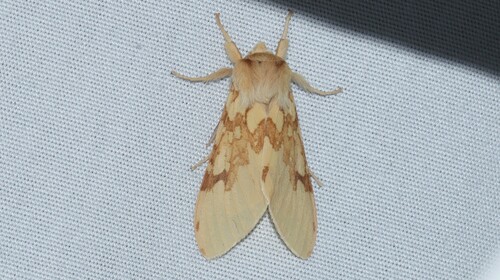
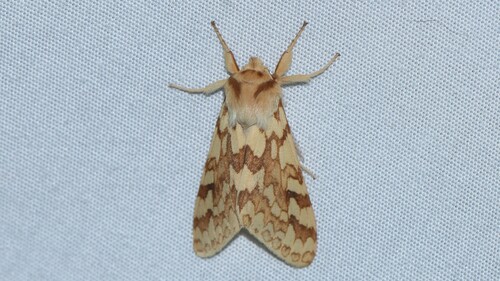
The Spotted Tussock Moth has creamy white to pale yellow wings adorned with striking irregular dark brown or black square-ish spots. Its body is fuzzy and yellowish. The distinct spotting pattern helps it blend into lichen-covered tree bark.
Category
InsectsRarity
Common
Danger
2/5 · Low
Snaps
14
Adult Spotted Tussock Moths have no mouthparts and never eat!
Its caterpillar stage is so fuzzy it looks like a tiny punk rocker!
Some of its caterpillar hairs can cause an itchy sting if touched!
This moth's larvae sometimes eat plants toxic to other animals!
Spotted Tussock Moth has irritating bristly hairs as a caterpillar that deter predators from touching them.
Spotted Tussock Moth has speckled wing patterns that help them disappear against tree bark, hiding from hungry birds.
Spotted Tussock Moth can spin silk to create a strong cocoon for safe pupation and turning into an adult.
Young caterpillars munch on tree leaves and shrubs to grow big and strong!
Age differences: Adult moths do not eat, relying on energy reserves from their caterpillar stage.
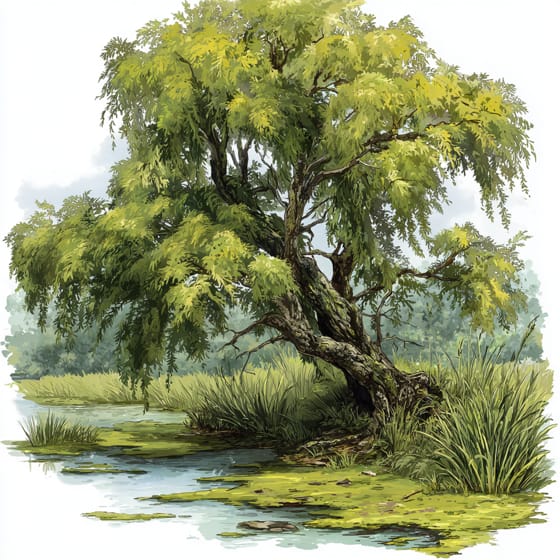
Salix nigra
a common host plant for its hungry larvae.
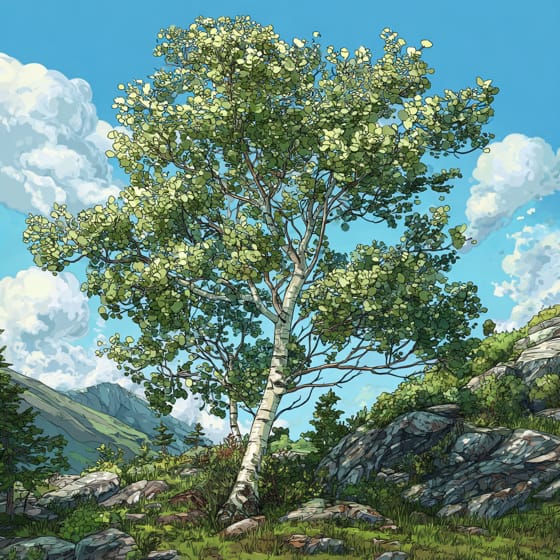
Populus tremuloides
its caterpillars munch on the leaves of aspen trees.
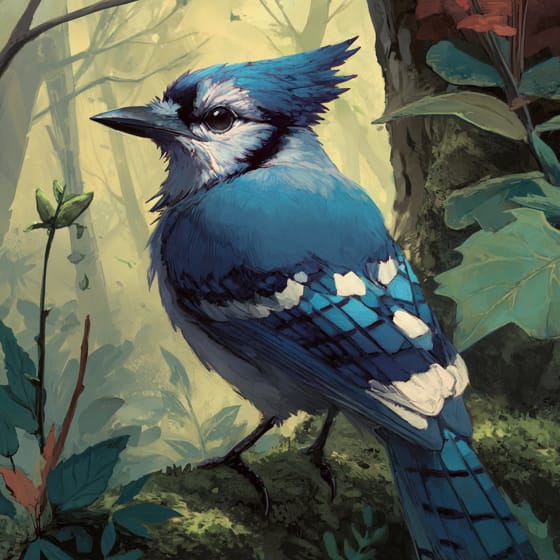
Cyanocitta cristata
jays often prey on its caterpillars and moths.
Compsilura concinnata
this fly lays its eggs on the caterpillar host.
Furry describes animals possessing a dense covering of soft hair or fur.
Marked with spots or patches of a different color.
Solitary animals live alone for most of their lives, only interacting with others for mating or parental care.
Camouflaged describes organisms that possess coloring or patterns that allow them to blend into their environment.

Colorful describes organisms or objects displaying a wide range of bright and distinct colors.

This trait characterizes organisms whose diet consists entirely or primarily of plant material.

Forest habitats are terrestrial environments dominated by dense tree cover, supporting a high diversity of plant and animal life.

Diurnal animals are primarily active during daylight hours, typically resting or sleeping at night.
No aliases listed yet.
Danger
2/5 · Low
Don't touch the fuzzy caterpillars, as their hairs can irritate your skin.
The easiest way to identify Spotted Tussock Moth is to use the Snappit nature identifier app.
35-45 mm
15-20 mm
7-14 days
Young caterpillars munch on tree leaves and shrubs to grow big and strong!
Forests
Foraging
6
Zoom in to split clusters and explore where this object has been snapped.
Jul 5, 2024
Nyack Ranger Station Historic DistrictPhoto attribution
(c) Rich Sommer, some rights reserved (CC BY)
License: CC BY 4.0 ↗
Image may be shown cropped inside the card frame.
Jul 4, 2024
Nyack Ranger Station Historic DistrictPhoto attribution
(c) Rich Sommer, some rights reserved (CC BY)
License: CC BY 4.0 ↗
Image may be shown cropped inside the card frame.

Ontario, CA
You might spot Canada Jay, American Beaver, and Black-Capped Chickadee.
View guide →

California, US
You might spot Great Blue Heron, Western Gull, and Coyote.
View guide →

Washington, US
You might spot Barrow's Goldeneye and Pacific Banana Slug.
View guide →

Washington, US
You might spot Pacific Tree Frog, Pacific Banana Slug, and Salal.
View guide →

Montana, US
You might spot Black Bear, Moose, and Lodgepole Pine.
View guide →

Washington, US
You might spot Pacific Banana Slug, Western Sword Fern, and Elk.
View guide →
Take the discovery with you
Snap it with Snappit to identify it, learn what makes it special, and add the discovery to your collection.






.jpg&width=800)


