





spreading dogbane
Apocynum androsaemifolium
Spreading dogbane is a lovely plant with pretty flowers that attract butterflies. It grows in sunny places and can spread out wide, making it a great addition to gardens.
Habitat: Grasslands
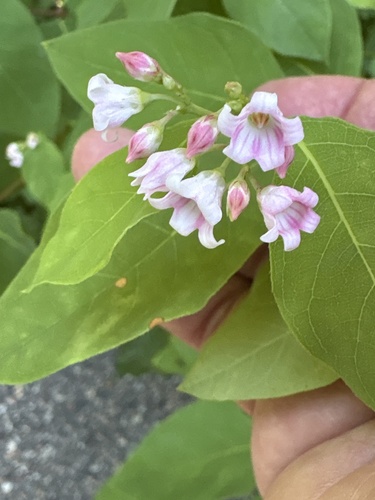
The spreading dogbane has slender, reddish stems and oval leaves. Its small, bell-shaped flowers are typically pinkish-white, often with darker stripes inside. It usually grows in bushy clumps.
Category
PlantsRarity
Common
Danger
2/5 · Low
Snaps
8
It's a cousin to milkweed, but without the famous monarch butterfly connection!
Its scientific name means 'away dog,' a nod to its poisonous history!
Its strong fibers were once used by Native Americans to weave twine and fishing nets!
Some tiny caterpillars can eat its toxic leaves without getting sick!
Spreading dogbane has tiny sticky pads inside its flowers that can briefly trap small insects, ensuring good pollination.
This plant creates a milky, toxic sap to deter hungry animals, making it unappetizing to most herbivores.
Spreading dogbane can grow deep underground roots and rhizomes, allowing it to quickly form large, dense patches.
Apis mellifera
visits flowers for nectar
Bombus impatiens
gathers nectar and pollen from blooms
Ceriana abbreviata
mimics a wasp and visits flowers
Deciduous plants periodically shed all their leaves, typically during autumn or dry seasons.
Flowering plants are any plants that produce flowers as part of their reproductive cycle.
Ornamental plants are cultivated primarily for their aesthetic appeal, enhancing landscapes and gardens with their attractive foliage, flowers, or form.
Summer blooming plants produce their flowers during the summer season, often providing vibrant color when many other plants have finished.

Fragrant flowers emit a pleasant aroma, often to attract pollinators or for defense.

Grassland habitats are terrestrial biomes dominated by grasses and herbaceous plants, supporting a variety of grazing animals.

Describes plants that are particularly attractive and beneficial to a wide range of pollinating organisms.

Rapid growing plants exhibit accelerated growth rates, quickly increasing in size and biomass within a short period.
No aliases listed yet.
Danger
2/5 · Low
Don't eat any part of the plant, as it can be harmful.
The easiest way to identify spreading dogbane is to use the Snappit nature identifier app.
30-100 cm
30-90 cm
0.5-1 cm
Late spring to mid-summer
No
High
Perennial
Zoom in to split clusters and explore where this object has been snapped.
Jun 12, 2026
Minnesota Landscape ArboretumPhoto attribution
(c) Bob, some rights reserved (CC BY)
License: CC BY 4.0 ↗
Image may be shown cropped inside the card frame.

Massachusetts, US
You might spot Eastern White Pine and Common Eastern Bumble Bee.
View guide →

Minnesota, US
You might spot Common Eastern Bumble Bee and Turkey.
View guide →
.JPG)
Massachusetts, US
You might spot Eastern Gray Squirrel and Eastern Skunk Cabbage.
View guide →

British Columbia, CA
You might spot Oregon Grape, Shinyleaf Meadowsweet, and Bush Penstemon.
View guide →
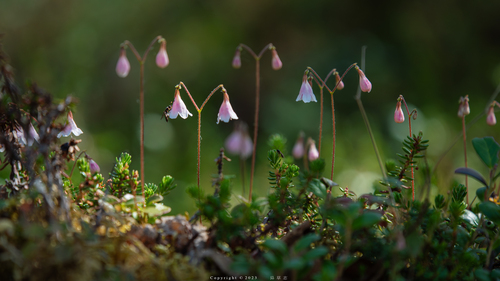
British Columbia, CA
You might spot Twinflower and Western Rattlesnake Plantain.
View guide →

British Columbia, CA
You might spot Western Rattlesnake Plantain and Shinyleaf Meadowsweet.
View guide →
Take the discovery with you
Snap it with Snappit to identify it, learn what makes it special, and add the discovery to your collection.







.jpg&width=800)


_001.jpg&width=800)




