





spruces
Picea
Spruces are tall, evergreen trees with sharp, needle-like leaves. They are often found in cold places and can grow very tall, making them great for climbing and hiding!
Habitat: Forests
The spruces has sharp, stiff needles that are square in cross-section and individually attached to small woody pegs. Its cones hang downwards from branches, often starting green or purplish before maturing to brown. The bark is typically scaly or furrowed.
Category
PlantsRarity
Common
Danger
1/5 · Very low
Snaps
Be the first to snap!
Indigenous peoples once chewed spruce resin like gum for its fresh, clean taste and medicinal properties.
Sailors historically brewed spruce beer to prevent scurvy on long voyages, thanks to its Vitamin C.
Spruce wood is prized by instrument makers for its amazing ability to resonate sound in violins!
The world's oldest individual tree, 'Old Tjikko' in Sweden, is an ancient spruce!
Spruces have a distinctive conical shape that helps them shed heavy snow, preventing branch breakage and protecting them.
Its sharp, tough needles have a thick waxy coating to reduce water loss and deter hungry herbivores.
Spruces can produce sticky resin that oozes from wounds, sealing them and protecting against insects and fungi.

Alces alces
Browses on young spruce twigs and needles.
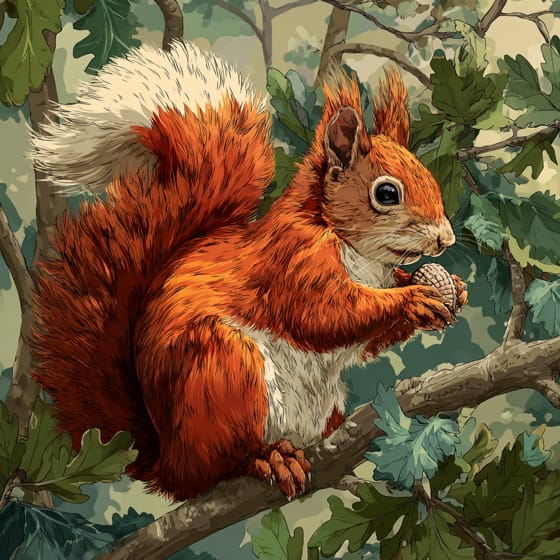
Tamiasciurus hudsonicus
Feeds primarily on spruce seeds from cones.
Choristoneura fumiferana
Larvae defoliate spruce trees, causing damage.
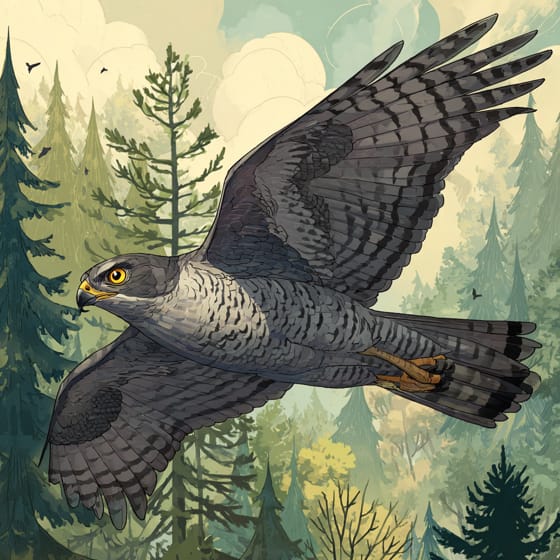
Accipiter gentilis
Often builds large nests in tall, mature spruce trees.
Laccaria bicolor
Forms beneficial mycorrhizal associations with spruce roots.
Ornamental plants are cultivated primarily for their aesthetic appeal, enhancing landscapes and gardens with their attractive foliage, flowers, or form.
Cold hardy plants are able to withstand low temperatures and freezing conditions without significant damage.
Coniferous plants are typically evergreen, bearing needles or scales and reproductive cones.
Evergreen plants retain their foliage throughout the year, never shedding all their leaves at once.

Fragrant flowers emit a pleasant aroma, often to attract pollinators or for defense.

Medicinal plants possess chemical compounds that can be used for therapeutic purposes to treat illnesses or maintain health.

Timber refers to wood that has been prepared for use in building and carpentry.

Forest habitats are terrestrial environments dominated by dense tree cover, supporting a high diversity of plant and animal life.

This trait characterizes organisms with an exceptionally long lifespan compared to others of their kind.

Describes a species whose presence and role have a disproportionately large effect on its environment.
No aliases listed yet.
Danger
1/5 · Very low
Be careful around tall trees and watch for falling branches during strong winds.
The easiest way to identify spruces is to use the Snappit nature identifier app.
1000-6000 cm
300-1000 cm
Yes
None
Perennial
Wind
Forests
Zoom in to split clusters and explore where this object has been snapped.
Recent snaps will appear here as new observations are added.
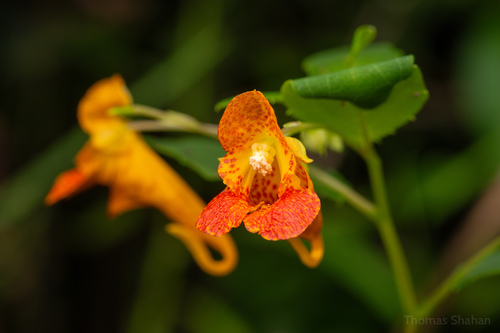
Virginia, US
You might spot Common Jewelweed, Willow Oak, and American Jumpseed.
View guide →
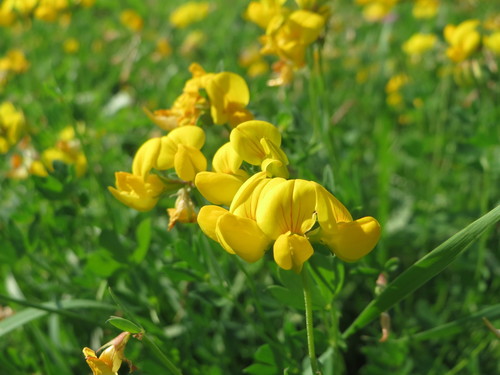
Ontario, CA
You might spot Bird's-Foot Trefoil, Dandelions, and Bellflowers.
View guide →
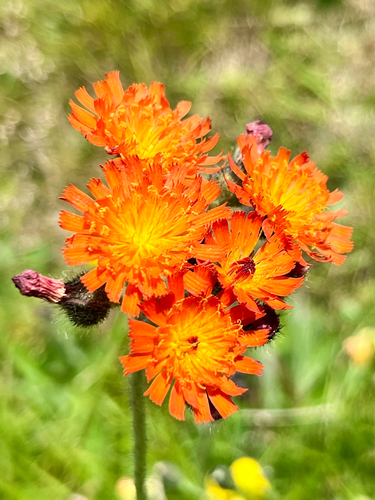
British Columbia, CA
You might spot Orange Hawkweed, Shinyleaf Meadowsweet, and Columbia Lily.
View guide →
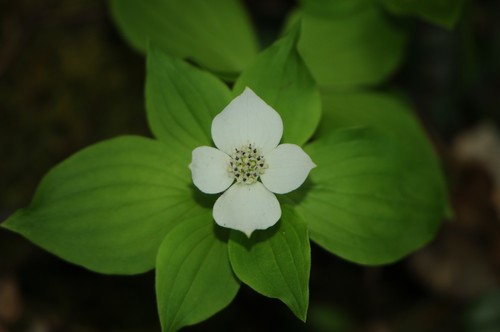
Maine, US
You might spot Canadian Bunchberry, Osprey, and Saltmarsh Greenhead Flies.
View guide →
Take the discovery with you
Snap it with Snappit to identify it, learn what makes it special, and add the discovery to your collection.








.jpg&width=800)


_001.jpg&width=800)


