





squashberry
Viburnum edule
Squashberry is a small shrub that grows berries which are bright red and tasty! These berries are loved by many animals and can be found in cool, shady places.
Habitat: Forests
The squashberry is a medium-sized shrub with reddish-brown bark and broad, toothed green leaves. It produces clusters of small white flowers that transform into bright red, translucent berries. These vibrant berries ripen in late summer.
Category
PlantsRarity
Common
Danger
1/5 · Very low
Snaps
7
Each tiny white flower has exactly five petals, shaped like a perfect little star.
Its scientific name, Viburnum edule, actually means "edible viburnum"!
Native peoples traditionally used these berries for delicious jams and even medicines.
The bright red berries often cling to the bush long after leaves fall, a winter surprise!
Squashberry has juicy red berries that attract birds and mammals, helping it spread its seeds far and wide to reproduce.
Squashberry can thrive in very cold northern climates, thanks to its sturdy stems and ability to tolerate harsh winters.
Squashberry can grow new plants from its underground roots, allowing it to form dense thickets and expand its territory.
Ursus americanus
eats berries for energy
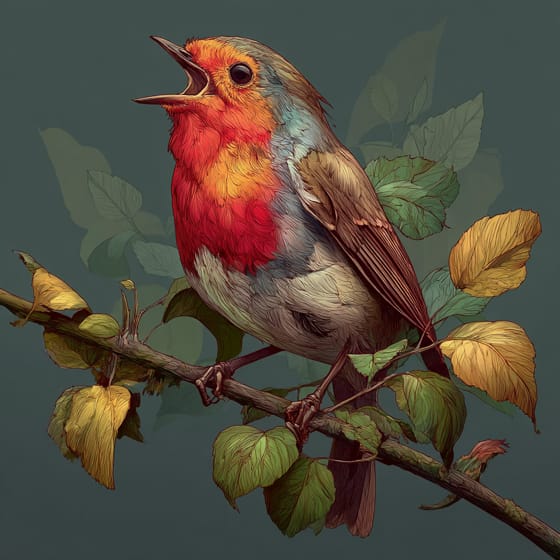
Turdus migratorius
disperses seeds after eating berries

Bombus impatiens
visits flowers for nectar and pollen
Troglodytes hiemalis
uses dense branches for cover and nesting
Deciduous plants periodically shed all their leaves, typically during autumn or dry seasons.
Shade tolerant plants are adapted to grow and thrive in areas with low light levels, requiring less direct sunlight.
A shrub is a woody plant smaller than a tree, typically with multiple stems branching from or near the ground.
Fruit-bearing plants produce fruits, which are the mature ovaries of flowering plants containing seeds.

A fruit tree is a perennial tree that produces fruit, which is edible to humans or animals.

Edible plants are those parts of a plant that are considered safe for human consumption.

Forest habitats are terrestrial environments dominated by dense tree cover, supporting a high diversity of plant and animal life.
No aliases listed yet.
Danger
1/5 · Very low
Always check with an adult before trying any berries you find in nature.
The easiest way to identify squashberry is to use the Snappit nature identifier app.
100-300 cm
100-250 cm
0.5-1 cm
Spring to early summer
Yes
None
Perennial
Zoom in to split clusters and explore where this object has been snapped.

Alaska, US
You might spot Sandhill Crane, Fireweed, and Prickly Wild Rose.
View guide →

Alaska, US
You might spot Canadian Bunchberry, Saskatoon, and Canadian Buffalo-Berry.
View guide →

Alaska, US
You might spot Moose, Fly Agaric, and Bald Eagle.
View guide →

Alaska, US
You might spot Dwarf Fireweed and Yellow Mountain-Avens.
View guide →

Alaska, US
You might spot Brown Bear, American Beaver, and Arctic Raspberry.
View guide →
Alaska, US
You might spot Brown Bear, American Beaver, and Arctic Raspberry.
View guide →
Take the discovery with you
Snap it with Snappit to identify it, learn what makes it special, and add the discovery to your collection.







.jpg&width=800)



_001.jpg&width=800)


