





Stanford's Manzanita
Arctostaphylos stanfordiana
Stanford's Manzanita is a lovely shrub with shiny green leaves and beautiful pink flowers. It grows in sunny places and can be found in California's forests and hills.
Habitat: Forests and hills
The Stanford's Manzanita is a striking evergreen shrub with smooth, mahogany-red bark that peels in thin flakes. It has small, leathery, oval leaves and clusters of tiny, urn-shaped flowers that range from white to pink.
Category
PlantsRarity
Common
Danger
1/5 · Very low
Snaps
Be the first to snap!
Its name "Manzanita" means "little apple" in Spanish, referring to its tiny, apple-like berries!
Native Americans traditionally used parts of the Manzanita plant to make special teas and medicines.
The amazing smooth, red bark of the Manzanita feels cool to the touch even on a hot day!
The wood of the Manzanita is so incredibly hard and dense, it can actually sink in water!
Stanford's Manzanita has thick, waxy leaves that hold onto water, helping it thrive in dry, sunny environments and long, hot summers.
This plant can regrow from a special woody base (burl) after wildfires, allowing it to survive and flourish in fire-prone areas.
Stanford's Manzanita keeps its green leaves all year long, letting it make food from sunlight even when other plants are bare.
Apis mellifera
Feeds on its urn-shaped flowers, aiding in reproduction.

Toxostoma redivivum
Consumes its small, apple-like berries for energy.
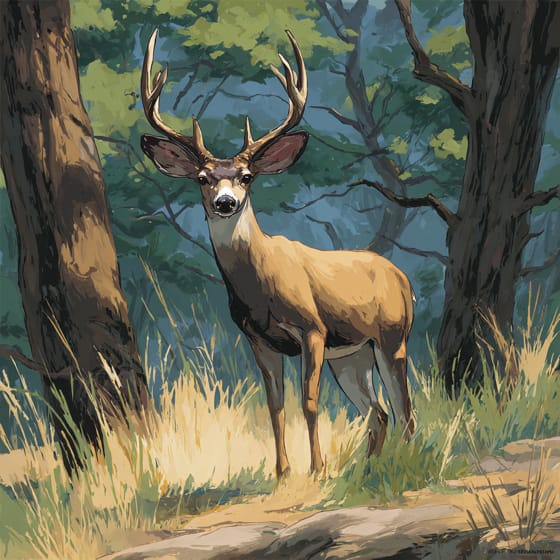
Odocoileus hemionus
Browses on its evergreen leaves, especially in winter.
Aromatic plants produce and emit fragrant volatile organic compounds, often for defense or to attract pollinators.
Flowering plants are any plants that produce flowers as part of their reproductive cycle.
A shrub is a woody plant smaller than a tree, typically with multiple stems branching from or near the ground.
Evergreen plants retain their foliage throughout the year, never shedding all their leaves at once.

Fragrant flowers emit a pleasant aroma, often to attract pollinators or for defense.

Fruit-bearing plants produce fruits, which are the mature ovaries of flowering plants containing seeds.

Edible plants are those parts of a plant that are considered safe for human consumption.

Describes plants that are particularly attractive and beneficial to a wide range of pollinating organisms.

Forest habitats are terrestrial environments dominated by dense tree cover, supporting a high diversity of plant and animal life.

This trait characterizes organisms with an exceptionally long lifespan compared to others of their kind.
No aliases listed yet.
Danger
1/5 · Very low
Always stay on paths when exploring nature to protect plants like the Manzanita.
The easiest way to identify Stanford's Manzanita is to use the Snappit nature identifier app.
100-300 cm
100-400 cm
0.4-0.8 cm
Late Winter to Early Spring
Yes
None
Perennial
Zoom in to split clusters and explore where this object has been snapped.
Recent snaps will appear here as new observations are added.
Take the discovery with you
Snap it with Snappit to identify it, learn what makes it special, and add the discovery to your collection.







.jpg&width=800)


_001.jpg&width=800)

