





Stansbury's Cliffrose
Purshia stansburyana
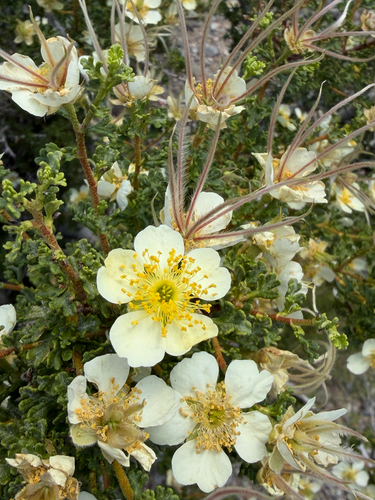
Stansbury's Cliffrose is a special shrub that grows in dry, rocky places. It has beautiful yellow flowers and thick, green leaves that help it survive in tough conditions.
Habitat: Desert
The Stansbury's Cliffrose is a hardy shrub featuring small, bright yellow, five-petaled flowers that bloom in spring. Its evergreen leaves are tiny, leathery, and often deeply lobed, giving it a somewhat coarse texture. The bark is typically grayish-brown and shaggy on older stems.
Category
PlantsRarity
Common
Danger
1/5 · Very low
Snaps
11
Its unique seeds look like tiny shuttlecocks, ready to launch with the wind!
Native Americans used its strong wood to make tools and its leaves for teas!
The fragrant yellow flowers are like a sweet magnet for busy bees and other helpful insects!
This tough plant can live for over a hundred years in harsh desert environments!
Stansbury's Cliffrose has incredibly long taproots that can reach deep underground for hidden water, helping it survive in dry deserts.
Stansbury's Cliffrose produces seeds with long, feathery plumes that catch the wind, helping them travel far to new growing spots.
Stansbury's Cliffrose can resprout from its robust root crown after wildfires, allowing it to recover and regrow quickly.
Stansbury's Cliffrose can grow directly out of rocky crevices and cliffs, anchoring itself firmly with strong, flexible roots.
Bombus bifarius
Gathers nectar and pollen from flowers.
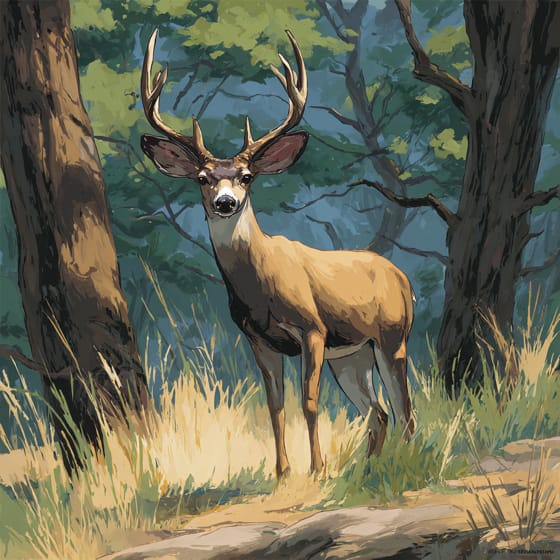
Odocoileus hemionus
Browses on its leaves and twigs, especially in winter.
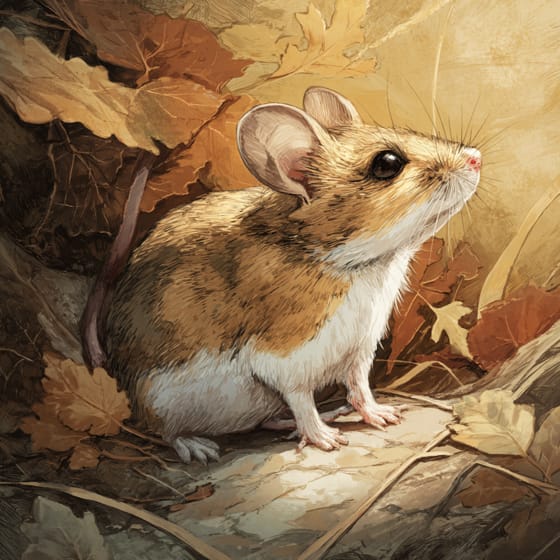
Peromyscus maniculatus
Consumes its nutritious seeds, helping with dispersal.
Flowering plants are any plants that produce flowers as part of their reproductive cycle.
A shrub is a woody plant smaller than a tree, typically with multiple stems branching from or near the ground.
Evergreen plants retain their foliage throughout the year, never shedding all their leaves at once.
Drought-tolerant plants can survive and flourish in conditions with limited water availability.

Describes plants that are particularly attractive and beneficial to a wide range of pollinating organisms.

Desert habitats are arid regions characterized by extremely low precipitation and often extreme temperatures, supporting specialized flora and fauna.

This trait characterizes organisms with an exceptionally long lifespan compared to others of their kind.

Describes organisms that transfer pollen, enabling the fertilization and reproduction of plants.
No aliases listed yet.
Danger
1/5 · Very low
Always look but don't touch plants without asking an adult first.
The easiest way to identify Stansbury's Cliffrose is to use the Snappit nature identifier app.
100-300 cm
100-250 cm
1-2 cm
Spring to early summer
No
None
Perennial
Zoom in to split clusters and explore where this object has been snapped.
May 25, 2026
SkidooPhoto attribution
(c) Aaron Liston, some rights reserved (CC BY)
License: CC BY 4.0 ↗
Image may be shown cropped inside the card frame.

Nevada, US
You might spot Engelmann's Hedgehog Cactus.
View guide →

New Mexico, US
You might spot Common Side-Blotched Lizard and Kingcup Cactus.
View guide →

Arizona, US
You might spot Gambel Oak and Abert's Squirrel.
View guide →

Arizona, US
You might spot Gambel Oak and Greater Short-Horned Lizard.
View guide →

Arizona, US
You might spot Common Raven, Gambel Oak, and Vulture.
View guide →

Arizona, US
You might spot Common Raven, Plateau Fence Lizard, and Fourwing Saltbush.
View guide →
Take the discovery with you
Snap it with Snappit to identify it, learn what makes it special, and add the discovery to your collection.








.jpg&width=800)



_001.jpg&width=800)


