




May 25, 2026
i
Photo attribution
(c) Aaron Liston, some rights reserved (CC BY)
License: CC BY 4.0 ↗
Image may be shown cropped inside the card frame.

Skidoo is a remarkable ghost town nestled high in the Panamint Mountains of Death Valley National Park.
Skidoo is a remarkable ghost town nestled high in the Panamint Mountains of Death Valley National Park. Once a thriving gold mining camp, it stands today as a testament to the ingenuity and perseverance of early 20th-century prospectors who sought fortune in the arid desert. It offers visitors a tangible connection to a bygone era, surrounded by breathtaking, stark desert landscapes.
The most prominent and impressive remaining structure is the Skidoo Stamp Mill, a unique water-powered facility built on a steep hillside that processed gold ore using a gravity-feed system. Visitors can also trace the remnants of the monumental 23-mile pipeline that supplied water to the mill from Telescope Peak, an engineering marvel for its time. Scattered mining equipment, abandoned mine shafts (to be viewed from a safe distance), and the panoramic views of Death Valley itself provide a rich tapestry for exploration and photography.
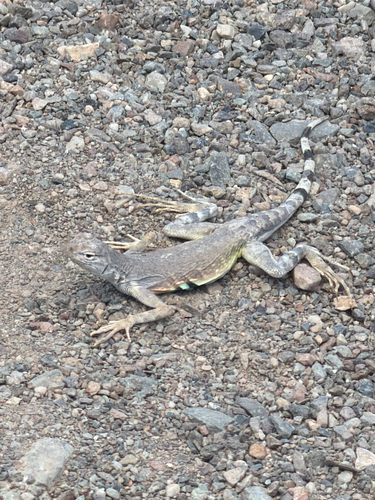
Visiting Skidoo is more than just seeing ruins; it's an immersive experience that transports you to a time of dreams, hardships, and raw determination. The dramatic scenery, coupled with the tangible history of a place that once pulsed with life, makes it an unforgettable destination for anyone seeking a unique adventure in the heart of Death Valley. Eager to name that creature? Identify any animal you find during your visit using the Snappit app.
Skidoo's story began in 1906 when two prospectors, John Ramsey and John "One Eye" Thompson, stumbled upon gold-bearing ledges in the Panamint Range after being disoriented by a rare fog. This discovery quickly led to the establishment of a boomtown that, by 1907, boasted a population of around 700 residents, complete with amenities like a newspaper, bank, school, and telephone service. Initially named "23 Skidoo" after a popular slang term of the era, the "23" was dropped by the postal service, leaving it simply "Skidoo". The town's success was largely due to the Skidoo Mine, which produced approximately 75,000 ounces of gold, valued at over $1.5 million at the time, between 1906 and 1917. A remarkable engineering feat, a 23-mile pipeline, was constructed to bring water from Telescope Peak to power the fifteen-stamp amalgamation and cyanide mill, making it the only water-powered mill in the Death Valley area. However, by September 1917, the rich gold vein reportedly "pinched out," leading to the mine's permanent closure and the town's swift decline. Although there were sporadic mining activities in the decades that followed, the boomtown era of Skidoo had ended, leaving behind the remnants visible today.
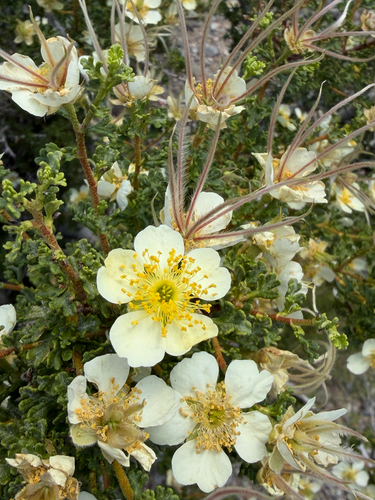
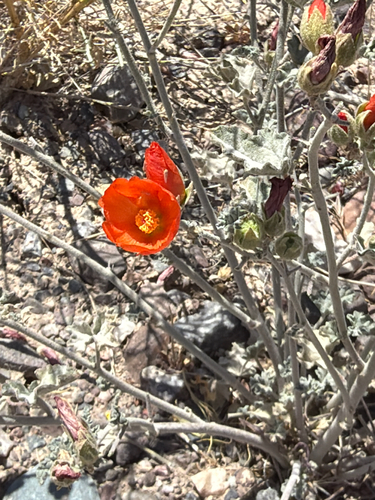
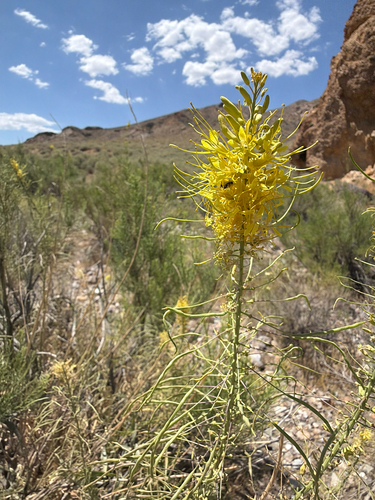
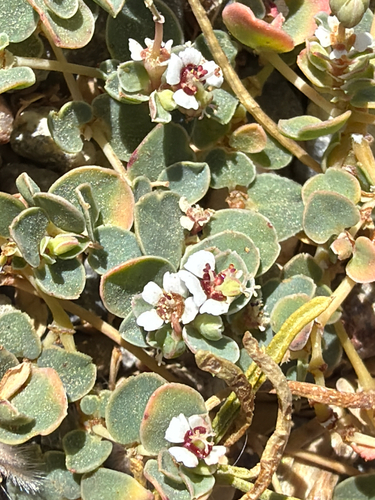
Explore the impressive stamp mill structure (from a safe distance due to structural integrity concerns), photograph the relics of the mining operation, walk the faint traces of the townsite, and enjoy the expansive desert views. Drive carefully along the unpaved road, stopping to appreciate the unique geological formations and potential desert flora.
Winter offers pleasant hiking weather. Spring may bring desert wildflowers. Summer presents extreme heat dangers. Always check weather forecasts before visiting.
The road to Skidoo is unpaved and requires a high-clearance vehicle, with 4WD often recommended. The final 600 feet to the stamp mill is typically an easy walk after reaching the gated road end. The old townsite has no remaining structures but an interpretive sign marks its location.
The Skidoo Stamp Mill, the visible scar of the 23-mile water pipeline, scattered mining equipment, and the interpretive sign at the original townsite.
Each card links to a full Explore page with photos, traits, and fun facts.
We are still adding species preview cards for this place.
Start with the big picture, then zoom in to explore individual wildlife observations around this place.
Vehicle Preparation
Ensure your vehicle is high-clearance, and preferably 4WD, as the road to Skidoo is unpaved, rocky, and can be challenging.
Water and Supplies
Bring ample water, snacks, and sun protection (hat, sunscreen, sunglasses) as there are no services available.
Safety First
Stay on marked paths and exercise extreme caution around any mine shafts or old structures, as they can be unstable and dangerous. Do not enter old mines.
Weather Awareness
Check Death Valley weather forecasts before you go, especially outside of the peak winter season, to avoid extreme heat or unexpected desert storms.
Navigation
Carry a detailed map and/or a GPS device, and let someone know your itinerary due to the remote nature of the location.
Leave No Trace
Respect the historical site and the natural environment by taking all trash with you and leaving artifacts undisturbed for future visitors.
May 25, 2026
Photo attribution
(c) Aaron Liston, some rights reserved (CC BY)
License: CC BY 4.0 ↗
Image may be shown cropped inside the card frame.
May 25, 2026
Photo attribution
(c) Aaron Liston, some rights reserved (CC BY)
License: CC BY 4.0 ↗
Image may be shown cropped inside the card frame.
May 25, 2026
Photo attribution
(c) Aaron Liston, some rights reserved (CC BY)
License: CC BY 4.0 ↗
Image may be shown cropped inside the card frame.
May 25, 2026
Photo attribution
(c) Aaron Liston, some rights reserved (CC BY)
License: CC BY 4.0 ↗
Image may be shown cropped inside the card frame.
May 25, 2026
Photo attribution
(c) Aaron Liston, some rights reserved (CC BY)
License: CC BY 4.0 ↗
Image may be shown cropped inside the card frame.

Maryland, US
You might spot White-Tailed Deer and Eastern Gray Squirrel.
View guide →
.jpg)
District of Columbia, US
You might spot Eastern Gray Squirrel, Duck, and House Sparrow.
View guide →

Illinois, US
You might spot American Robin, Canada Goose, and House Sparrow.
View guide →

Virginia, US
You might spot Spotted Lanternfly and Northern Cardinal.
View guide →
Take the discovery with you
Identify the wildlife you spot, learn as you go, and keep a collection of the adventure.