





Sticky False Asphodel
Triantha glutinosa
The Sticky False Asphodel is a unique plant with sticky leaves that can trap tiny insects! It grows in wet areas and has beautiful white flowers that bloom in the summer.
Habitat: Wetlands
The Sticky False Asphodel has a slender green stem densely covered in glistening, sticky red-brown glands. Its small, star-shaped flowers are creamy-white to pale yellow, clustered at the top of the stalk, and its narrow, grass-like leaves are found mostly at the base.
Category
PlantsRarity
Common
Danger
1/5 · Very low
Snaps
Be the first to snap!
It can grow in places where most plants struggle because it gets extra food from trapped insects!
Scientists only recently confirmed this sticky plant is actually a secret meat-eater!
The 'False Asphodel' part of its name means it looks like another flower but isn't!
This hardy plant can thrive high up in mountains, even above the tree line in some areas!
Sticky False Asphodel can trap tiny insects on its stems because its stalks are covered in glue-like hairs, helping it get extra nutrients.
This plant has a clever trick: its sticky insect traps are separate from its flower pollen, so it doesn't accidentally eat its own pollinators!
It has a superpower to absorb heavy metals like zinc from the soil, cleaning up its environment while it grows!
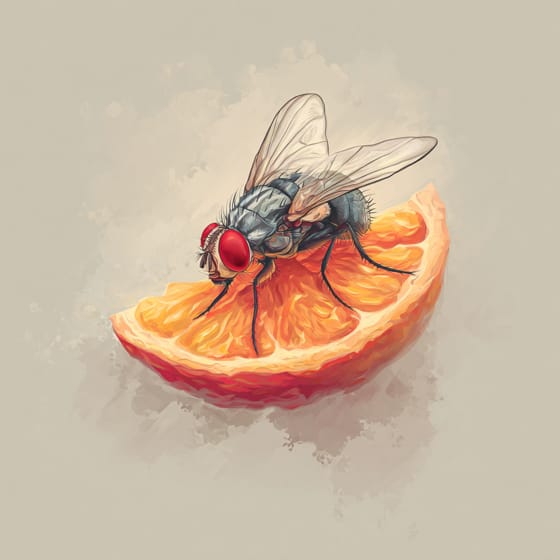
Drosophila melanogaster
traps tiny insects on its sticky stem for nutrients
Formica fusca
lures and catches small ants with its glandular hairs
Bombus bifarius
flowers attract bees for nectar and pollen collection
Flowering plants are any plants that produce flowers as part of their reproductive cycle.
Cluster flowers are inflorescences where individual flowers are arranged closely together on a common stem.
Summer blooming plants produce their flowers during the summer season, often providing vibrant color when many other plants have finished.
This trait identifies organisms whose diet primarily consists of insects and other small invertebrates.

Describes plants that are particularly attractive and beneficial to a wide range of pollinating organisms.

Carnivorous plants are predatory flowering plants that derive some or most of their nutrients from trapping and consuming animals or protozoans.

This habitat trait identifies species found in wetlands, which are areas of land saturated with water, either permanently or seasonally, including marshes, swamps, and bogs.
No aliases listed yet.
Danger
1/5 · Very low
Always look but don't touch plants without asking an adult first.
The easiest way to identify Sticky False Asphodel is to use the Snappit nature identifier app.
10-50 cm
0.5-1.5 cm
Summer
No
None
Perennial
Insect
Zoom in to split clusters and explore where this object has been snapped.
Recent snaps will appear here as new observations are added.
Take the discovery with you
Snap it with Snappit to identify it, learn what makes it special, and add the discovery to your collection.







.jpg&width=800)



_001.jpg&width=800)




