





strawberries
Fragaria
Strawberries are sweet, red fruits that grow on low plants. They are juicy and delicious, perfect for snacking or adding to desserts!
Habitat: Gardens
The strawberry plant has vibrant green leaves, typically in groups of three, and delicate white flowers. Its most striking feature is the bright red, often heart-shaped fruit covered in tiny yellow seeds on the outside, making it visually distinct from most other fruits.
Category
PlantsRarity
Common
Danger
1/5 · Very low
Snaps
Be the first to snap!
An average strawberry can have about 200 tiny seeds on its outside!
Did you know strawberries are actually members of the rose family?
The wild ancestors of modern strawberries grew in North America and Europe!
They are one of the very first fruits to ripen in springtime!
Strawberries can send out 'runners' (stolons) that sprout new plants, helping them spread quickly and easily across the ground.
Strawberries have their tiny seeds on the outside of their fruit, allowing them to be dispersed by animals eating the sweet flesh.
Strawberries produce sweet, juicy fruit that attracts animals, helping them scatter its tiny seeds far and wide to grow new plants.
Apis mellifera
carries pollen between flowers
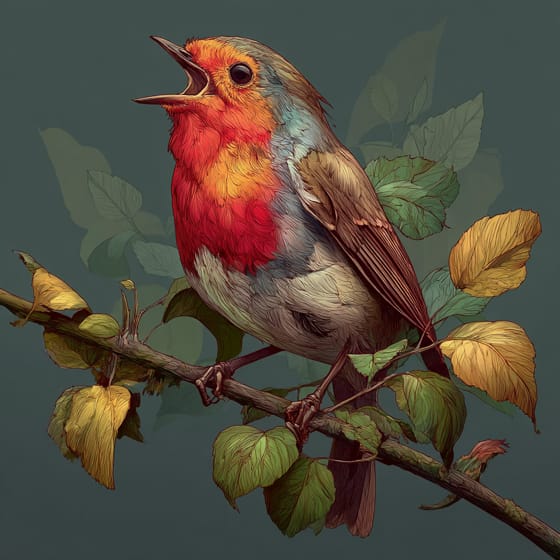
Turdus migratorius
enjoys sweet ripe fruits
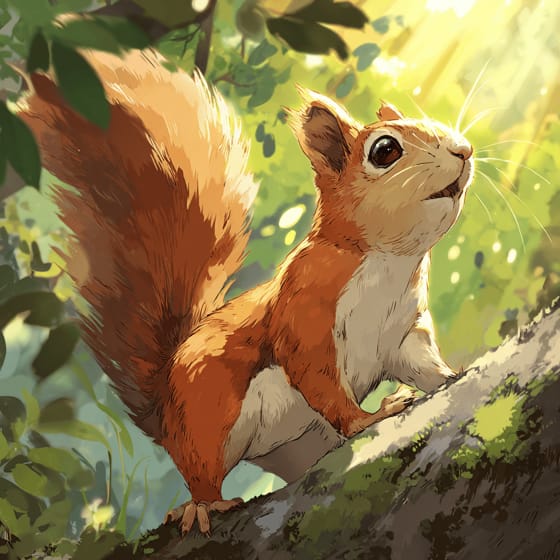
Sciurus carolinensis
feasts on the tasty berries
Ursus americanus
black bears forage for berries
Deciduous plants periodically shed all their leaves, typically during autumn or dry seasons.
Flowering plants are any plants that produce flowers as part of their reproductive cycle.
Fruit-bearing plants produce fruits, which are the mature ovaries of flowering plants containing seeds.
This human use trait describes species cultivated or domesticated by humans for agricultural purposes, including crops and livestock.

Edible plants are those parts of a plant that are considered safe for human consumption.

Describes plants that are particularly attractive and beneficial to a wide range of pollinating organisms.

Rapid growing plants exhibit accelerated growth rates, quickly increasing in size and biomass within a short period.

This habitat trait indicates species that can coexist with humans in urban and suburban environments, utilizing man-made structures and green spaces.
Danger
1/5 · Very low
Always wash strawberries before eating them to keep them clean.
The easiest way to identify strawberries is to use the Snappit nature identifier app.
10-30 cm
15-60 cm
1-2.5 cm
Spring
Yes
None
Perennial
Zoom in to split clusters and explore where this object has been snapped.
Recent snaps will appear here as new observations are added.
Take the discovery with you
Snap it with Snappit to identify it, learn what makes it special, and add the discovery to your collection.








.jpg&width=800)



_001.jpg&width=800)



