





Subalpine Fleabane
erigeron glacialis
The Subalpine Fleabane is a cheerful flower that loves to grow in cool, high-altitude areas. Its colorful blooms can brighten up even the most rocky landscapes!
Habitat: Subalpine meadows and rocky slopes in mountainous regions.
The Subalpine Fleabane has vibrant daisy-like flowers, typically with numerous slender purple or lavender ray petals surrounding a bright yellow center. Its stems and leaves are often covered in fine hairs, giving it a slightly fuzzy appearance.
Category
PlantsRarity
Common
Danger
0/5 · No known danger
Snaps
3
Its flowers are heliotropic, slowly turning to follow the sun across the sky!
Its genus name Erigeron means 'early old man' for its early flowering and fuzzy seeds!
The 'fleabane' name comes from an old belief it repelled fleas, but it doesn't!
This tough plant grows where snow lingers, popping up quickly as ice melts!
Subalpine Fleabane has strong roots and compact growth, helping it survive harsh winds and cold in mountains.
Subalpine Fleabane has tiny hairs on its leaves and stems, protecting it from intense sun and cold mountain air.
Subalpine Fleabane produces lightweight seeds carried by wind, helping it spread to new rocky slopes.
Bombus occidentalis
Collects nectar and pollen, aiding in reproduction.
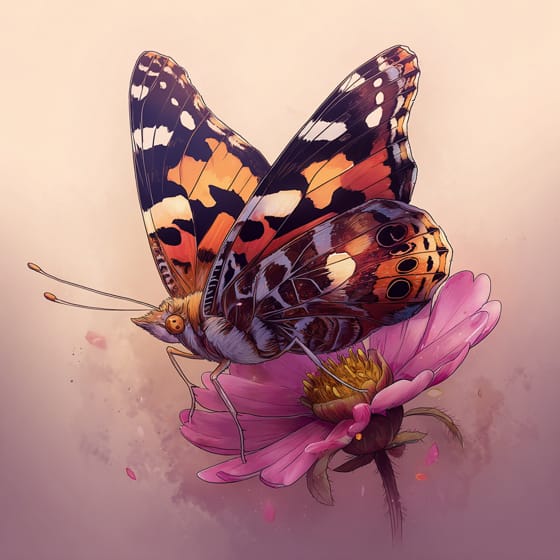
Vanessa cardui
Feeds on nectar, helping to spread pollen between flowers.

Marmota flaviventris
May occasionally browse on its leaves and stems.
Colorful describes organisms or objects displaying a wide range of bright and distinct colors.
Grassland habitats are terrestrial biomes dominated by grasses and herbaceous plants, supporting a variety of grazing animals.
This trait characterizes organisms whose diet consists entirely or primarily of plant material.
Forest habitats are terrestrial environments dominated by dense tree cover, supporting a high diversity of plant and animal life.

Describes organisms that transfer pollen, enabling the fertilization and reproduction of plants.
Danger
0/5 · No known danger
No special safety notes yet.
The easiest way to identify Subalpine Fleabane is to use the Snappit nature identifier app.
10-40 cm
15-30 cm
1-3 cm
Mid-summer to early fall
No
None
Perennial
Zoom in to split clusters and explore where this object has been snapped.

Oregon, US
You might spot White Pasqueflower and Clark's Nutcracker.
View guide →
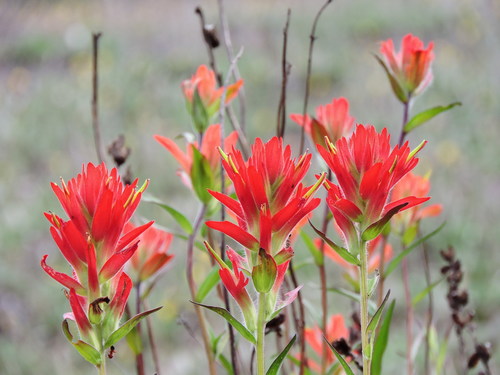
British Columbia, CA
You might spot Giant Red Paintbrush, Lupines, and Broadleaf Arnica.
View guide →

Oregon, US
You might spot Clark's Nutcracker.
View guide →

Washington, US
You might spot Cascade Golden-Mantled Ground Squirrel.
View guide →

Washington, US
You might spot Cascade Golden-Mantled Ground Squirrel.
View guide →
Take the discovery with you
Snap it with Snappit to identify it, learn what makes it special, and add the discovery to your collection.








.jpg&width=800)



_001.jpg&width=800)




