





Oval-leaf Blueberry
Vaccinium ovalifolium
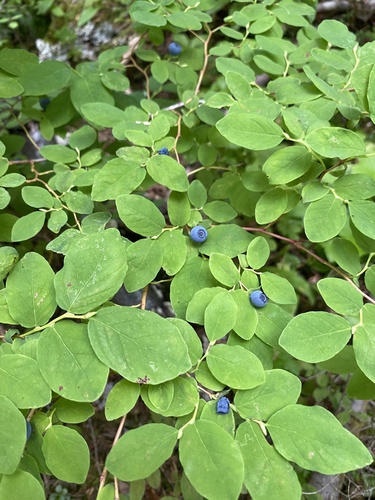
The Oval-leaf Blueberry is a small shrub that grows tasty blueberries. Its leaves are oval-shaped, and it blooms with pretty white flowers in spring. Kids love to pick and eat the sweet berries in summer!
Habitat: Forests
The Oval-leaf Blueberry is a medium-sized shrub recognized by its distinctively oval, smooth-edged leaves. Its tiny, bell-shaped flowers are often pinkish-white, hanging in clusters. These mature into round, dusky blue berries covered in a waxy bloom.
Category
PlantsRarity
Common
Danger
1/5 · Very low
Snaps
1
It loves moist, acidic soils often found in high mountain regions!
Its berries have a natural powdery 'bloom' that makes them look frosted!
Native peoples once used its leaves to make a comforting, warm tea!
This hardy plant is a relative to both cranberries and huckleberries!
Oval-leaf Blueberry can survive very cold winters by dropping its leaves and having a thick, protective bark.
Its delicious berries attract birds and mammals, which eat the fruit and help spread the seeds far away.
Oval-leaf Blueberry has leaves adapted to thrive in shady forest understories, making use of dappled sunlight.
Bombus bifarius
collects nectar and pollen
Ursus americanus
forages heavily on ripe berries
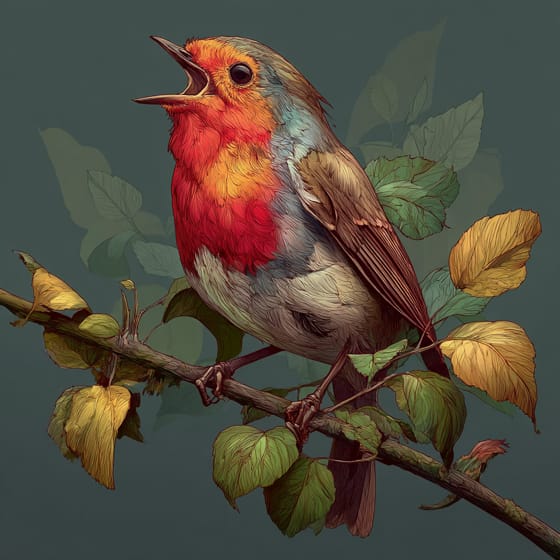
Turdus migratorius
consumes berries, dispersing seeds
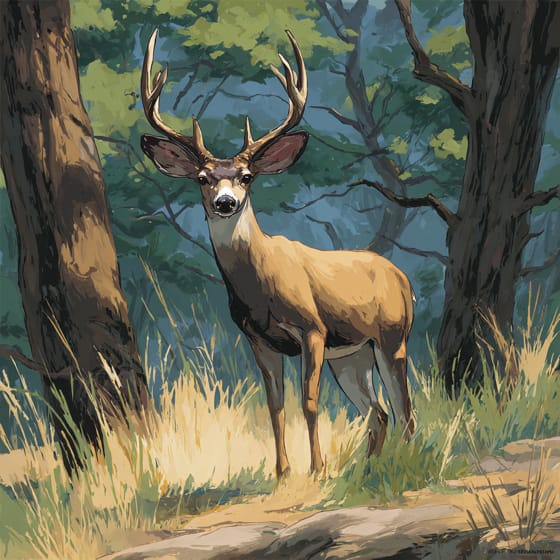
Odocoileus hemionus
browses on twigs and leaves
Aromatic plants produce and emit fragrant volatile organic compounds, often for defense or to attract pollinators.
Deciduous plants periodically shed all their leaves, typically during autumn or dry seasons.
Flowering plants are any plants that produce flowers as part of their reproductive cycle.
A shrub is a woody plant smaller than a tree, typically with multiple stems branching from or near the ground.

Spring blooming plants produce their flowers during the spring season, often signifying the end of winter and the start of new growth.

Fruit-bearing plants produce fruits, which are the mature ovaries of flowering plants containing seeds.

Edible plants are those parts of a plant that are considered safe for human consumption.

Fall color refers to the seasonal change in foliage pigmentation, primarily in deciduous plants, displaying vibrant hues.

Describes plants that are particularly attractive and beneficial to a wide range of pollinating organisms.

Forest habitats are terrestrial environments dominated by dense tree cover, supporting a high diversity of plant and animal life.
Danger
1/5 · Very low
Always wash berries before eating them, and make sure you know they are safe!
The easiest way to identify Oval-leaf Blueberry is to use the Snappit nature identifier app.
30-150 cm
60-120 cm
0.5-0.8 cm
Spring_early_summer
Yes
None
Perennial
Zoom in to split clusters and explore where this object has been snapped.
Take the discovery with you
Snap it with Snappit to identify it, learn what makes it special, and add the discovery to your collection.







.jpg&width=800)



_001.jpg&width=800)



