





Swallow-wort
Vincetoxicum hirundinaria
Swallow-wort is a pretty plant with lovely flowers that can grow in fields and gardens. It has long, green leaves and can climb up other plants for support.
Habitat: Grasslands
The Swallow-wort is a perennial plant with twining stems that can climb other vegetation. It has glossy, oval-shaped leaves and produces clusters of small, star-shaped flowers, typically creamy-white to yellowish-green. These are followed by slender, canoe-shaped seed pods.
Category
PlantsRarity
Common
Danger
2/5 · Low
Snaps
Be the first to snap!
Break a stem and watch milky white sap ooze out, just like a hidden secret!
Despite its name, this plant is not related to true swallows at all!
Its European name, Vincetoxicum, means 'to conquer poison', hinting at old medicinal uses!
The unique star shape of its tiny flowers attracts specific small insects!
Swallow-wort has a milky sap that oozes out when damaged, helping it defend against hungry herbivores.
Swallow-wort produces seeds with silky tufts that act like tiny parachutes, helping them travel far on the wind.
Swallow-wort can twine its stems around other plants, using them like a ladder to reach more sunlight.
Abrostola asclepiadis
Its larvae feed exclusively on the plant's leaves.
Apis mellifera
Visits the small flowers to collect nectar and pollen.

Myzus asclepiadis
Sucks nutrient-rich sap from the stems and leaves.
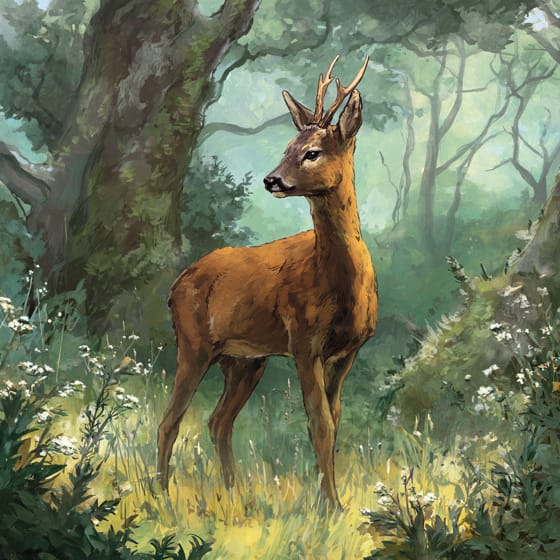
Capreolus capreolus
Deer occasionally browse on the plant's foliage.
Climbing or vine plants are characterized by a growth habit that allows them to ascend upwards by twining, tendrils, or adhesive roots.
Flowering plants are any plants that produce flowers as part of their reproductive cycle.
Biennial plants complete their life cycle over two growing seasons, typically forming foliage in the first year and flowering/seeding in the second.
Fragrant flowers emit a pleasant aroma, often to attract pollinators or for defense.

Colorful describes organisms or objects displaying a wide range of bright and distinct colors.

Grassland habitats are terrestrial biomes dominated by grasses and herbaceous plants, supporting a variety of grazing animals.

Describes plants that are particularly attractive and beneficial to a wide range of pollinating organisms.
No aliases listed yet.
Danger
2/5 · Low
Do not eat any part of the plant without asking an adult, as some plants can be harmful.
The easiest way to identify Swallow-wort is to use the Snappit nature identifier app.
30-100 cm
20-60 cm
0.5-1.5 cm
Late spring to summer
No
Moderate
Perennial
Zoom in to split clusters and explore where this object has been snapped.
Recent snaps will appear here as new observations are added.
Take the discovery with you
Snap it with Snappit to identify it, learn what makes it special, and add the discovery to your collection.








.jpg&width=800)


_001.jpg&width=800)




