





Swamp Leatherflower
Clematis crispa
The Swamp Leatherflower is a beautiful climbing plant with unique bell-shaped flowers. It loves to grow in wet areas and can often be found near swamps and marshes, making it a special sight in nature.
Habitat: Wetlands
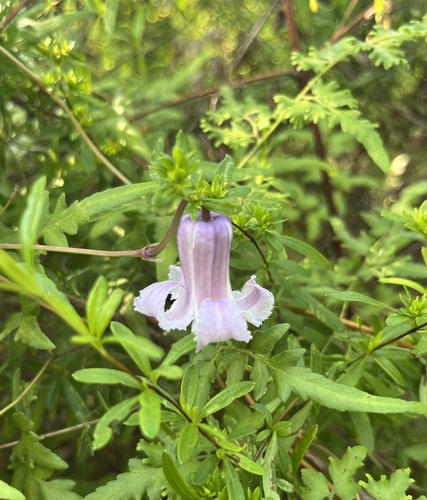
The Swamp Leatherflower is a slender climbing vine with distinctive nodding, bell-shaped flowers. Its thick, leathery petals are creamy white to pale blue-purple, often with darker margins, and release a sweet, citrusy fragrance.
Category
PlantsRarity
Common
Danger
1/5 · Very low
Snaps
3
"Crispa," part of its scientific name, means 'curly' or 'wavy,' just like its petal edges!
After blooming, its seeds grow fluffy 'tails' that help them hitch a ride on the wind!
Its flowers nod downwards, almost like little bells ringing silently in the swampy breeze!
Some people say its lovely scent reminds them of lemons or even vanilla ice cream!
Swamp Leatherflower can climb using its stems and leaf tendrils to reach sunlight in crowded swampy areas.
Swamp Leatherflower has thick, leathery petals that help protect its delicate inner flower parts from moisture and sun.
Swamp Leatherflower releases a sweet, sometimes citrusy fragrance to attract busy insect pollinators from far away.
Apis mellifera
Visits flowers for nectar and pollen.
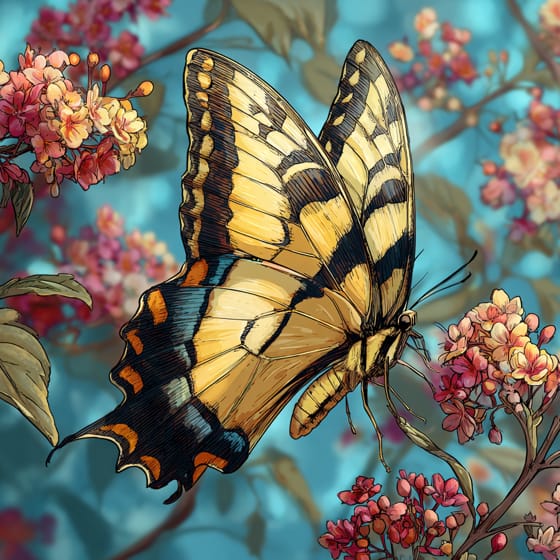
Papilio glaucus
Feeds on nectar, aiding in pollen transfer.

Thryothorus ludovicianus
Uses dense vine growth for nesting and cover.
Climbing or vine plants are characterized by a growth habit that allows them to ascend upwards by twining, tendrils, or adhesive roots.
Bell-shaped flowers possess petals fused or arranged to form a cup-like or campanulate structure resembling a bell.
Deciduous plants periodically shed all their leaves, typically during autumn or dry seasons.
Flowering plants are any plants that produce flowers as part of their reproductive cycle.

Summer blooming plants produce their flowers during the summer season, often providing vibrant color when many other plants have finished.

Fragrant flowers emit a pleasant aroma, often to attract pollinators or for defense.

Describes plants that are particularly attractive and beneficial to a wide range of pollinating organisms.

This habitat trait identifies species found in wetlands, which are areas of land saturated with water, either permanently or seasonally, including marshes, swamps, and bogs.
No aliases listed yet.
Danger
1/5 · Very low
Always look but don't touch plants without asking an adult first.
The easiest way to identify Swamp Leatherflower is to use the Snappit nature identifier app.
100-300 cm
3-5 cm
Late spring to fall
No
Mild
Perennial
Insect
Zoom in to split clusters and explore where this object has been snapped.
May 19, 2026
Bainbridge Commercial Historic DistrictPhoto attribution
(c) Megan Herrmann, some rights reserved (CC BY)
License: CC BY 4.0 ↗
Image may be shown cropped inside the card frame.

Georgia, US
You might spot Gulf Fritillary, Anole, and American Beautyberry.
View guide →
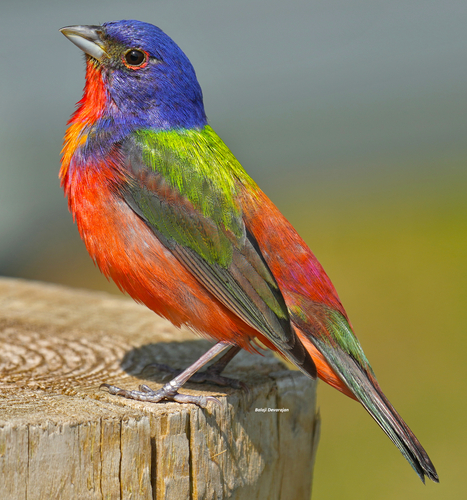
Louisiana, US
You might spot Painted Bunting, Dwarf Palmetto, and Aquatic Milkweed.
View guide →

Alabama, US
You might spot Chinese Tallow and Marbled Salamander.
View guide →
Take the discovery with you
Snap it with Snappit to identify it, learn what makes it special, and add the discovery to your collection.







.jpg&width=800)


_001.jpg&width=800)




