%2C_Flor_de_Cubres.jpg&width=800)




northern seaside goldenrod
Solidago sempervirens
Northern seaside goldenrod is a bright yellow flower that grows near the ocean. It loves sunny spots and can be found in sandy areas, making it a cheerful sight along the coast.
Habitat: Coastal areas
The northern seaside goldenrod has tall, sturdy stems topped with bright yellow flower clusters that bloom in late summer and fall. Its long, lance-shaped leaves are thick and often waxy, helping it thrive near the ocean.
Category
PlantsRarity
Common
Danger
1/5 · Very low
Snaps
3
Even after its bright flowers fade, its green leaves can last all winter!
Its scientific name "sempervirens" means "always green" in Latin!
Native Americans once brewed its leaves to make a comforting, warm tea.
This tough plant thrives where freshwater plants cannot: right by the salty ocean!
northern seaside goldenrod has fleshy leaves that help it store water and manage salty ocean spray, protecting its cells.
northern seaside goldenrod can grow deep, spreading roots that stabilize sandy dunes, preventing erosion from wind and waves.
northern seaside goldenrod can bloom late into fall, providing essential nectar for migrating insects when other flowers fade.
Apis mellifera
collects nectar and pollen
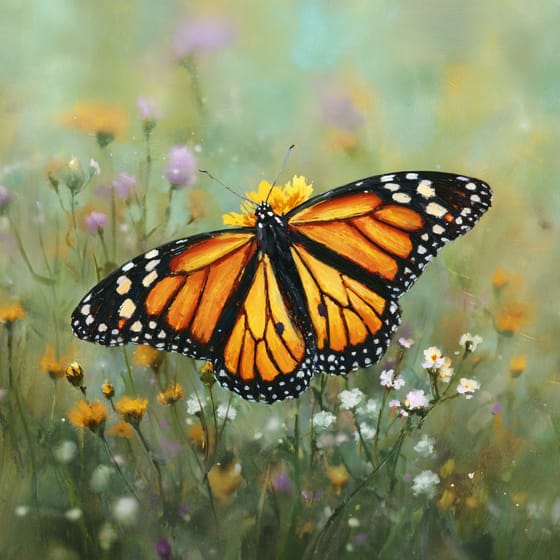
Danaus plexippus
feeds on nectar during migration

Bombus impatiens
gathers pollen and nectar
Trirhabda virgata
larvae and adults feed on leaves
Flowering plants are any plants that produce flowers as part of their reproductive cycle.
Summer blooming plants produce their flowers during the summer season, often providing vibrant color when many other plants have finished.
Salt tolerant plants can withstand and grow in conditions with elevated salinity levels in the soil or water.
Colorful describes organisms or objects displaying a wide range of bright and distinct colors.

Describes plants that are particularly attractive and beneficial to a wide range of pollinating organisms.

Rapid growing plants exhibit accelerated growth rates, quickly increasing in size and biomass within a short period.

Coastal habitats are dynamic environments located along the interface between land and sea, influenced by tides, waves, and saltwater.
No aliases listed yet.
Danger
1/5 · Very low
Always look but don't touch flowers without asking an adult.
The easiest way to identify northern seaside goldenrod is to use the Snappit nature identifier app.
30-200 cm
30-60 cm
0.5-1 cm
Fall
Yes
None
Perennial
Zoom in to split clusters and explore where this object has been snapped.

Illinois, US
You might spot Common Milkweed, Great Blue Heron, and Canada Goose.
View guide →

Maine, US
You might spot Jack Pine, Lingonberry, and Sheep Laurel.
View guide →

Connecticut, US
You might spot American Wintergreen, Christmas Fern, and American Toad.
View guide →

Delaware, US
You might spot Atlantic Horseshoe Crab and Laughing Gull.
View guide →

New York, US
You might spot Spotted Lanternfly and Eastern Gray Squirrel.
View guide →

Maryland, US
You might spot Seaside Dragonlet and Laughing Gull.
View guide →
Take the discovery with you
Snap it with Snappit to identify it, learn what makes it special, and add the discovery to your collection.








.jpg&width=800)



_001.jpg&width=800)




