





Vinca Periwinkle
Vinca minor
Vinca Periwinkle is a small, evergreen plant with pretty purple flowers. It grows low to the ground and is great for adding color to gardens.
Habitat: Forests
The Vinca Periwinkle has glossy, dark green evergreen leaves that grow densely on trailing stems. Its five-petaled, pinwheel-shaped flowers are typically a striking lavender-blue, though cultivars can be white or purple. It forms a lush, low-growing mat, visually distinct from upright herbaceous plants.
Category
PlantsRarity
Common
Danger
1/5 · Very low
Snaps
40
Its name 'Vinca' comes from a Latin word meaning 'to bind,' for its trailing stems!
People once planted it in graveyards because it was believed to symbolize everlasting life!
Some varieties can even produce cool, double-layered flowers, like tiny purple pom-poms!
This plant can stay green all winter long, even under snow, thanks to its tough leaves!
Vinca Periwinkle can spread quickly with creeping stems that root as they grow, helping it cover ground and outcompete weeds.
Vinca Periwinkle has tough, glossy leaves that stay green all year, protecting the soil from erosion and retaining moisture.
Vinca Periwinkle can thrive in deep shade where many other plants struggle, using its broad leaves to capture dim light.
Apis mellifera
collects nectar and pollen

Bombus bimaculatus
visits flowers for nectar
Arion vulgaris
grazes on its leaves
Groundcover plants are low-growing vegetation that spreads horizontally to cover the ground, often suppressing weeds and preventing soil erosion.
Cluster flowers are inflorescences where individual flowers are arranged closely together on a common stem.
Shade tolerant plants are adapted to grow and thrive in areas with low light levels, requiring less direct sunlight.
Evergreen plants retain their foliage throughout the year, never shedding all their leaves at once.

Rapid growing plants exhibit accelerated growth rates, quickly increasing in size and biomass within a short period.

Forest habitats are terrestrial environments dominated by dense tree cover, supporting a high diversity of plant and animal life.
Danger
1/5 · Very low
Enjoy looking at Vinca flowers but avoid touching or eating them.
The easiest way to identify Vinca Periwinkle is to use the Snappit nature identifier app.
10-15 cm
60-90 cm
2-3 cm
Spring_to_early_summer
No
Mild
Perennial
Zoom in to split clusters and explore where this object has been snapped.
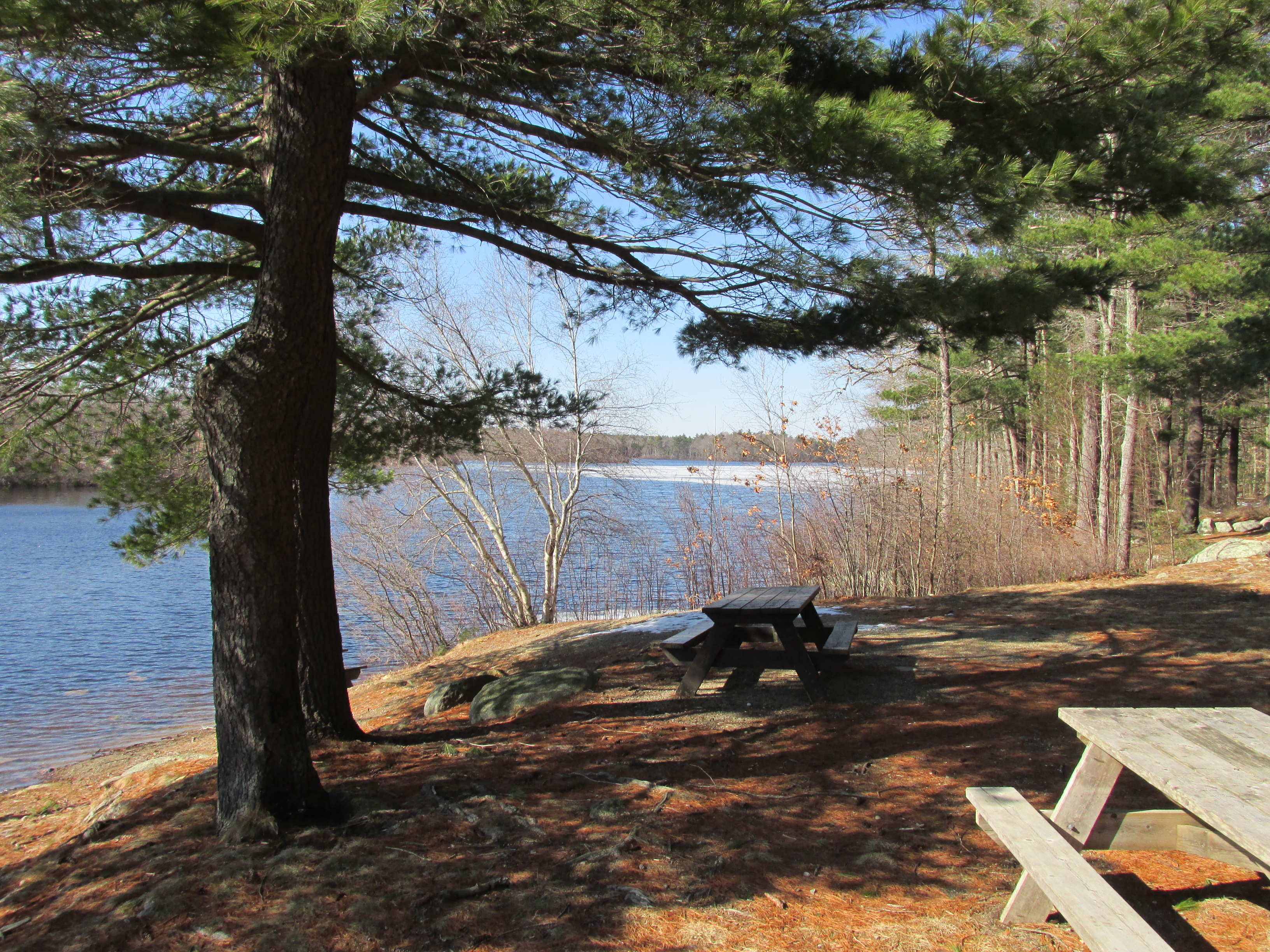
Massachusetts, US
You might spot Eastern White Pine and Common Eastern Bumble Bee.
View guide →

Pennsylvania, US
You might spot American Robin, Red-Winged Blackbird, and Lesser Celandine.
View guide →

Pennsylvania, US
You might spot Mountain Laurel, Ghost Pipe, and Sweetfern.
View guide →

Pennsylvania, US
You might spot Large Yellow Underwing and Eastern Black Carpenter Ant.
View guide →

New Jersey, US
You might spot White-Tailed Deer and Eastern Gray Squirrel.
View guide →

New York, US
You might spot Common Eastern Bumble Bee and Ground-Ivy.
View guide →
Take the discovery with you
Snap it with Snappit to identify it, learn what makes it special, and add the discovery to your collection.







.jpg&width=800)



_001.jpg&width=800)


