





Foothill desert-parsley
Lomatium utriculatum
Foothill desert-parsley is a special plant that grows in dry areas. It has pretty yellow flowers that look like tiny umbrellas and can be found in the foothills of mountains.
Habitat: Desert
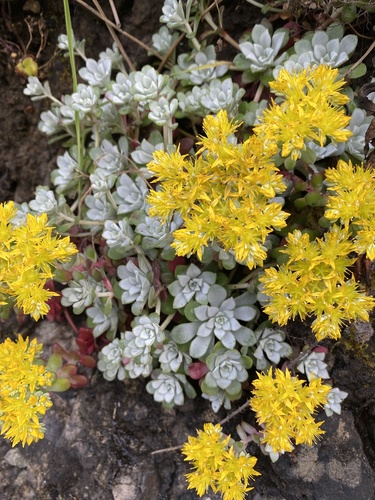
The Foothill desert-parsley has delicate clusters of tiny bright yellow flowers atop slender, branched stems. Its leaves are finely divided, fern-like, and green, forming a low basal rosette. This feathery, airy appearance helps it stand out against dry, rocky soils.
Category
PlantsRarity
Common
Danger
1/5 · Very low
Snaps
1
Even its scientific name, Lomatium, describes its distinctive seeds!
Indigenous people traditionally ate the roots and used parts for medicine.
Its flat-topped flower clusters are called umbels, like tiny nature's umbrellas!
The seeds have papery wings, helping them fly far away on the wind.
Foothill desert-parsley has a deep taproot that helps it store water, allowing it to survive long dry periods in the desert.
It produces a strong, characteristic aroma from its leaves that might deter some hungry animals from munching on it.
Foothill desert-parsley can sprout and bloom very early in spring, completing its life cycle before the desert heat becomes too intense.
Bombus occidentalis
Its tiny flowers provide nectar and pollen for early spring bees.
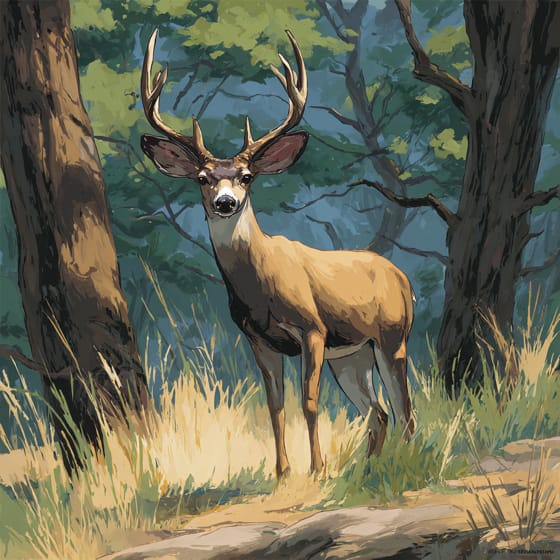
Odocoileus hemionus
Deer browse on its leaves and stems when other food is scarce.
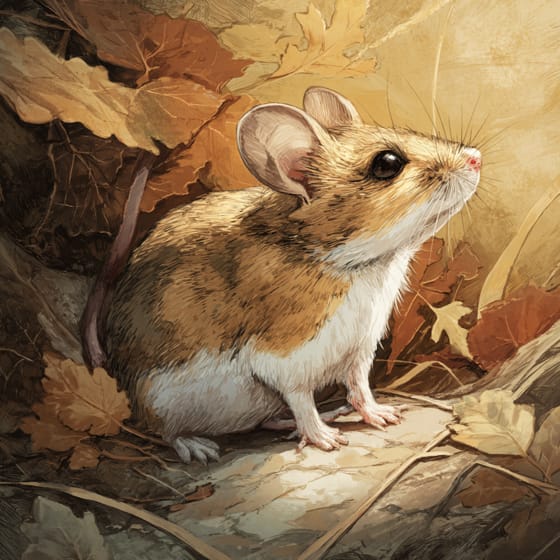
Peromyscus maniculatus
Small rodents may consume the nutritious seeds of the plant.
Aromatic plants produce and emit fragrant volatile organic compounds, often for defense or to attract pollinators.
Flowering plants are any plants that produce flowers as part of their reproductive cycle.
Biennial plants complete their life cycle over two growing seasons, typically forming foliage in the first year and flowering/seeding in the second.
Cluster flowers are inflorescences where individual flowers are arranged closely together on a common stem.

Fragrant flowers emit a pleasant aroma, often to attract pollinators or for defense.

Drought-tolerant plants can survive and flourish in conditions with limited water availability.

Describes plants that are particularly attractive and beneficial to a wide range of pollinating organisms.

Desert habitats are arid regions characterized by extremely low precipitation and often extreme temperatures, supporting specialized flora and fauna.

This habitat trait identifies species found in mountainous regions, characterized by high elevation, steep slopes, and varying climate zones.
No aliases listed yet.
Danger
1/5 · Very low
Do not touch plants without asking an adult, as some plants can be prickly or cause allergies.
The easiest way to identify Foothill desert-parsley is to use the Snappit nature identifier app.
10-40 cm
15-30 cm
0.2-0.5 cm
Spring
Yes
None
Annual
Zoom in to split clusters and explore where this object has been snapped.
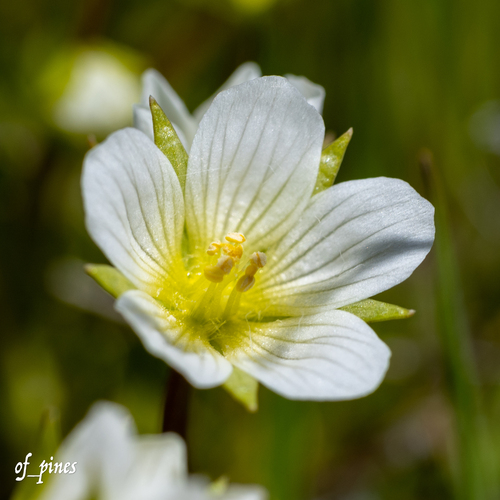
Oregon, US
You might spot Woolly Meadowfoam and California Goldfields.
View guide →

British Columbia, CA
You might spot Western Rattlesnake Plantain and Fairy-Slipper.
View guide →
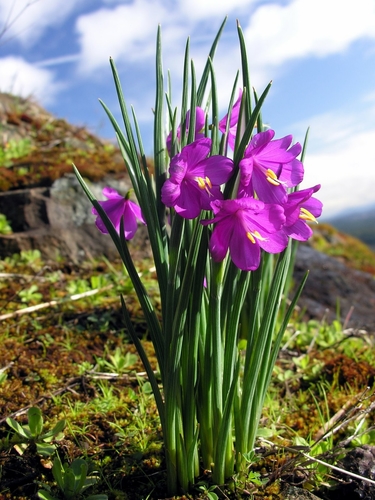
British Columbia, CA
You might spot Grasswidow and Broad-Leaved Stonecrop.
View guide →
British Columbia, CA
You might spot Broad-Leaved Stonecrop and Western Rattlesnake Plantain.
View guide →
Take the discovery with you
Snap it with Snappit to identify it, learn what makes it special, and add the discovery to your collection.







.jpg&width=800)


_001.jpg&width=800)




