





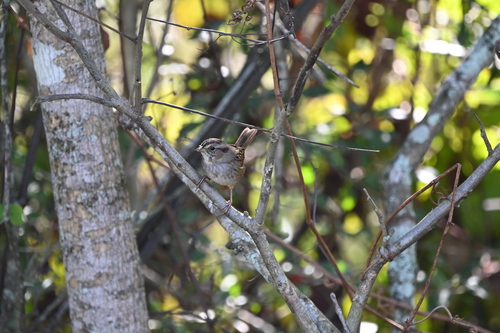
Swamp Sparrow
Melospiza georgiana
The Swamp Sparrow is a small, brown bird that loves to live in wet areas like marshes and swamps. They have a sweet, chirpy song that can brighten your day!
Habitat: Wetlands
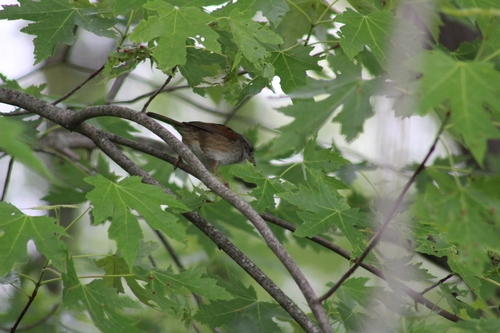
The Swamp Sparrow is a medium-sized sparrow with a striking reddish-brown cap and streaked back. It has a plain gray face and unstreaked gray chest, distinguishing it from other sparrows with its clean, marsh-adapted look.
Category
BirdsRarity
Common
Danger
1/5 · Very low
Snaps
14
Swamp Sparrows often use old nests from other birds as a base for their own.
Their chinstrap marking can change from dark to light during the year.
These sparrows sometimes build their nests right over water, anchored to plants!
Young Swamp Sparrows can actually swim a little if they fall out of their nests!
Swamp Sparrows can weave sturdy nests low in dense marsh plants because this helps them hide eggs from predators in their watery habitat.
Swamp Sparrows have long toes and claws that help them grip onto swaying reeds and move easily through soggy, muddy wetland environments.
Swamp Sparrows can sing a slow, musical trilling song that helps them communicate with other sparrows and claim their territory.
These birds munch on seeds and crunchy insects found mostly in their wetland homes.
Typha latifolia
Provides crucial nesting material and cover.

Libellula pulchella
Eats larvae and adults of this dragonfly species.
Thamnophis sirtalis
Eggs and chicks are prey for this snake.
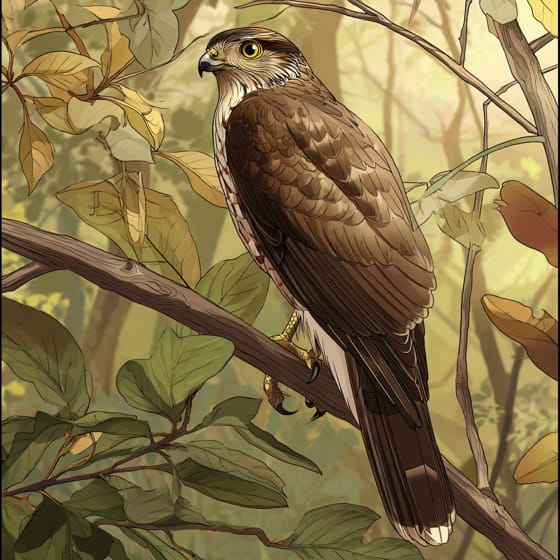
Accipiter cooperii
Adult Swamp Sparrows can be hunted.
Feathered describes animals, primarily birds, possessing a covering of feathers.
Social animals live in organized groups, cooperating for survival benefits such as foraging, defense, and raising offspring.
Singing animals produce complex vocalizations, often for purposes of attracting mates, defending territory, or communicating within their species.
Camouflaged describes organisms that possess coloring or patterns that allow them to blend into their environment.

This trait identifies organisms whose diet primarily consists of insects and other small invertebrates.

This habitat trait identifies species found in wetlands, which are areas of land saturated with water, either permanently or seasonally, including marshes, swamps, and bogs.

Diurnal animals are primarily active during daylight hours, typically resting or sleeping at night.
No aliases listed yet.
Danger
1/5 · Very low
Enjoy watching birds from a distance and be quiet so you don't scare them away.
The easiest way to identify Swamp Sparrow is to use the Snappit nature identifier app.
12-15 cm
18-20 cm
0.011-0.02 kg
2-7 years
35 km/h
These birds munch on seeds and crunchy insects found mostly in their wetland homes.
Wetlands
Zoom in to split clusters and explore where this object has been snapped.
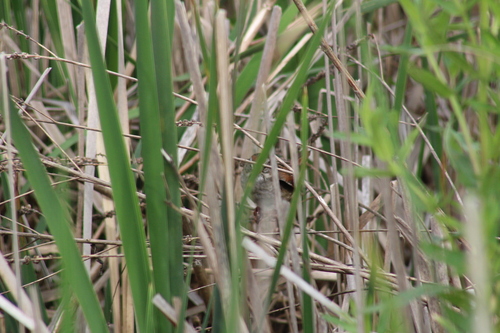
Jun 2, 2026
Bedford DepotPhoto attribution
(c) Lythronax246, some rights reserved (CC BY)
License: CC BY 4.0 ↗
Image may be shown cropped inside the card frame.
Jun 2, 2026
Bedford DepotPhoto attribution
(c) Lythronax246, some rights reserved (CC BY)
License: CC BY 4.0 ↗
Image may be shown cropped inside the card frame.
Nov 14, 2024
Pomme de Terre Wildlife Management AreaPhoto attribution
(c) Jody Shugart, some rights reserved (CC BY)
License: CC BY 4.0 ↗
Image may be shown cropped inside the card frame.

Pennsylvania, US
You might spot Pinesap, Great Rhododendron, and Mountain Laurel.
View guide →

US
You might spot Monarch, Ipsilon Dart Moth, and Canada Goose.
View guide →

Massachusetts, US
You might spot Striped Wintergreen, Painted Turtle, and Canada Goose.
View guide →
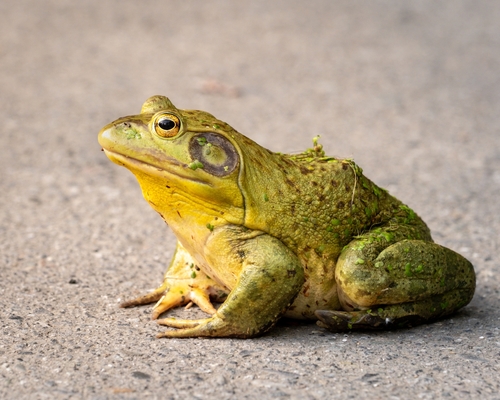
Virginia, US
You might spot American Bullfrog, Snapping Turtle, and Great Blue Heron.
View guide →
Virginia, US
You might spot American Bullfrog, Snapping Turtle, and Great Blue Heron.
View guide →

Minnesota, US
You might spot Rue Anemone, Bloodroot, and White-Tailed Deer.
View guide →
Take the discovery with you
Snap it with Snappit to identify it, learn what makes it special, and add the discovery to your collection.




.jpg&width=800)









