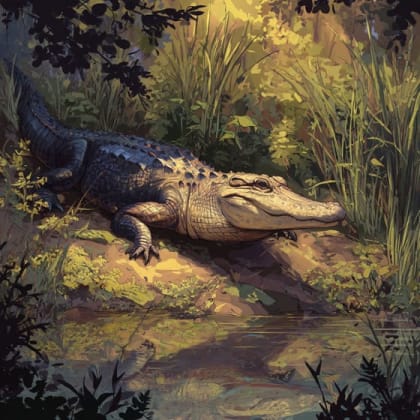





American Alligator
Discover a rich tapestry of Louisiana's natural beauty and diverse wildlife.
Discover a rich tapestry of Louisiana's natural beauty and diverse wildlife. Pomme de Terre Wildlife Management Area (WMA) offers over 6,400 acres of protected bottomland hardwood forests and expansive wetlands, providing a critical sanctuary for countless species. This hidden gem in Avoyelles Parish invites visitors to explore its unique ecosystems, from dense cypress groves to flourishing marshlands, making it a prime destination for outdoor enthusiasts seeking an authentic Louisiana experience.
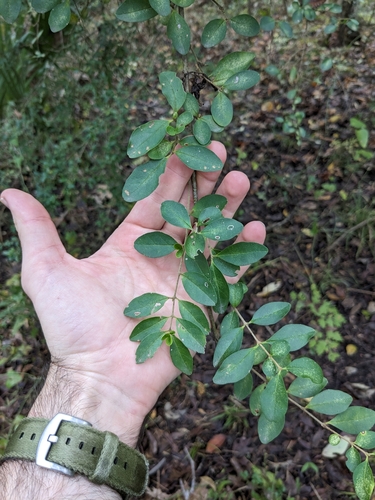
The WMA is characterized by its low, flat terrain, interspersed with subtle ridges that meander through the landscape. A significant feature is Sutton Lake, a rain-dependent wetland that draws in a large population of wintering waterfowl. The area boasts a rich botanical diversity, with an overstory dominated by hackberry, locust, elm, ash, maple, sweetgum, and various oaks like Nuttall and overcup. In lower-lying areas, willow thrives, while majestic bald cypress trees stand tall along the ridges. The understory features hawthorn, deciduous holly, dogwood, and elderberry, creating a vibrant habitat for numerous animal species.
Whether you're an avid birdwatcher, a keen photographer, or simply seeking a tranquil escape into nature, Pomme de Terre WMA offers memorable encounters. The abundant wildlife, including white-tailed deer, wild turkey, and various waterfowl, combined with scenic trails and diverse plant life, provides endless opportunities for exploration and appreciation of Louisiana's wild heritage. It’s an ideal spot for those looking to immerse themselves in the serene beauty of a managed natural environment. Planning to visit? Download the Snappit app to identify the wildlife you spot in real-time.
The Pomme de Terre Wildlife Management Area encompasses approximately 6,430 acres in east-central Avoyelles Parish, managed by the Louisiana Department of Wildlife and Fisheries (LDWF). Historically, nearly half of the area is semi-permanently to permanently flooded, forming a crucial bottomland hardwood complex. The landscape has undergone significant changes over time, including channelization and land clearing for row-crop agriculture between 1956 and 1980. Following the abandonment of agriculture around 1984, much of the land has been restored through tree planting and natural reforestation, returning it to its bottomland hardwood forest state. In 1989, the LDWF, in cooperation with Ducks Unlimited, Inc., implemented a restoration project focused on improving hydrology in forested wetlands, further enhancing the WMA's ecological value.
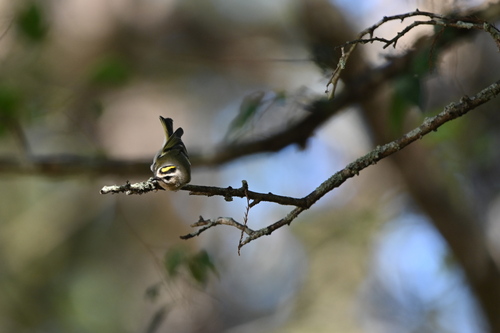
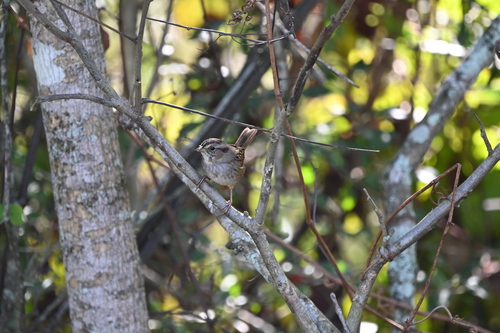
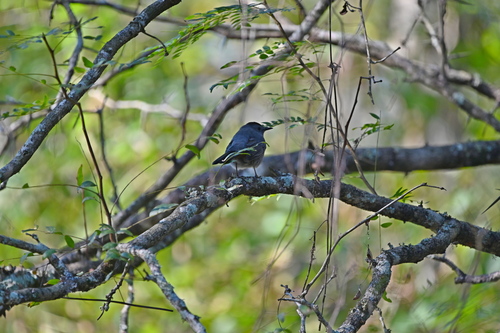
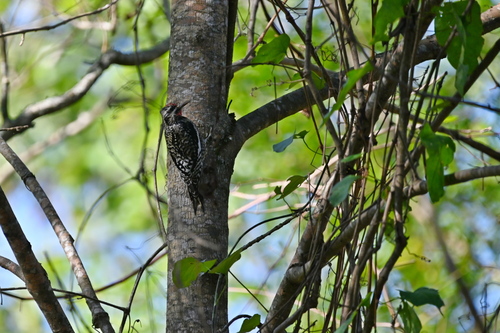
Birding: Observe a wide array of resident and migratory birds, including various waterfowl and wading birds.
* **Photography: ** Capture the beauty of the diverse landscapes, plant life, and wildlife.
* **Hiking: ** Explore the WMA's trails, which offer an immersive experience in the forest and wetland habitats.
* **Fishing & Boating: ** Enjoy limited recreational fishing and boating on Sutton Lake (a boat launch is available). Commercial fishing is by permit.
* **Primitive Camping: ** A designated primitive camping area is available for overnight stays.
Fall/Winter: Ideal for waterfowl viewing as migratory birds arrive. Hunting seasons for deer, turkey, squirrel, waterfowl, and rabbit are active. Temperatures are generally mild to cool.
Spring: Excellent for bird migration, with many species returning or passing through. Wild turkey hunting season. Warmer temperatures and increased insect activity.
Summer: Hot and humid, with potential for heavy rainfall. Wildlife may be less active during the heat of the day. Fishing can still be good in early mornings or late evenings.
Access to the WMA is via a gravel road at the southwest corner. While ATV trails provide interior access, specific provisions for wheelchair accessibility on trails are not indicated, suggesting that much of the area may be unpaved and natural terrain.
A critical wetland attracting diverse waterfowl.
Explore the diverse tree species like hackberry, sweetgum, and various oaks.
Observe these iconic wetland trees, especially along ridges.
Approximately 8 miles of trails provide access to the majority of the WMA for permitted use.
Each card links to a full Explore page with photos, traits, and fun facts.
Start with the big picture, then zoom in to explore individual wildlife observations around this place.
Check Regulations
Always review the latest Louisiana Department of Wildlife and Fisheries (LDWF) regulations for Pomme de Terre WMA before your visit, especially for hunting and fishing seasons and permit requirements.
Prepare for Conditions
Wear appropriate footwear for muddy or uneven terrain, especially if exploring off the main access points. Be prepared for insects, particularly during warmer months.
Bring Water and Snacks
There are no concessions within the WMA, so carry enough water, food, and other supplies for your visit.
Practice Leave No Trace
Help preserve the natural beauty of the WMA by packing out everything you pack in and minimizing your impact on the environment.
Utilize ATV Trails
If permitted, consider using the 8 miles of ATV trails for deeper access into the WMA, which can enhance wildlife viewing opportunities.
Visit in Cooler Months
For the most comfortable experience and best chances to see migratory birds and active wildlife, plan your visit between October and March.
Nov 14, 2024
Photo attribution
(c) Jody Shugart, some rights reserved (CC BY)
License: CC BY 4.0 ↗
Image may be shown cropped inside the card frame.
Nov 14, 2024
Photo attribution
(c) Jody Shugart, some rights reserved (CC BY)
License: CC BY 4.0 ↗
Image may be shown cropped inside the card frame.
Nov 14, 2024
Photo attribution
(c) Jody Shugart, some rights reserved (CC BY)
License: CC BY 4.0 ↗
Image may be shown cropped inside the card frame.
Nov 14, 2024
Photo attribution
(c) Jody Shugart, some rights reserved (CC BY)
License: CC BY 4.0 ↗
Image may be shown cropped inside the card frame.
Nov 16, 2023
Photo attribution
(c) Jacob Saucier, some rights reserved (CC BY)
License: CC BY 4.0 ↗
Image may be shown cropped inside the card frame.

Maryland, US
You might spot White-Tailed Deer and Eastern Gray Squirrel.
View guide →
.jpg)
District of Columbia, US
You might spot Eastern Gray Squirrel, Duck, and House Sparrow.
View guide →

Illinois, US
You might spot American Robin, Canada Goose, and House Sparrow.
View guide →

Virginia, US
You might spot Spotted Lanternfly and Northern Cardinal.
View guide →
Take the discovery with you
Identify the wildlife you spot, learn as you go, and keep a collection of the adventure.