





Twelve-spotted Skimmer
Libellula pulchella
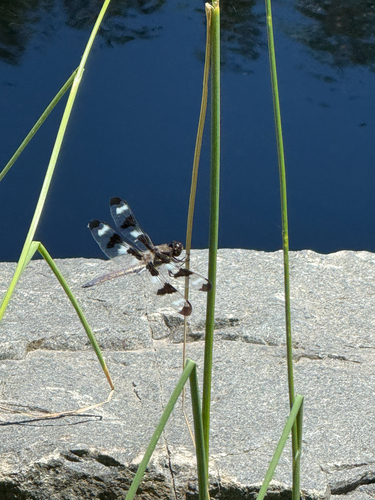
The Twelve-spotted Skimmer is a colorful dragonfly with twelve black spots on its wings. It loves to fly around ponds and lakes, making it a fun sight to see on sunny days!
Habitat: Wetlands
The Twelve-spotted Skimmer has a dark body with yellow markings. Its most distinctive feature is three dark spots on each of its four clear wings. Males also develop striking white patches between these spots, while females and young males have yellowish-orange patches that fade with age.
Category
InsectsRarity
Common
Danger
1/5 · Very low
Snaps
17
Each of its four wings can move independently, making it a master of agile flight!
Its underwater babies, called nymphs, are fierce predators with extendable jaws!
The Twelve-spotted Skimmer can eat hundreds of mosquitoes in just one day!
This amazing insect lived on Earth even before the first dinosaurs appeared!
Twelve-spotted Skimmer can fly with incredible agility because each wing moves independently, helping them snatch prey mid-flight.
Twelve-spotted Skimmer has huge compound eyes that give it almost 360-degree vision, helping them spot tiny flying insects.
Twelve-spotted Skimmer nymphs have an extendable lower jaw that shoots out like a mask to ambush and grab aquatic prey.
This swift hunter zips through the air to snatch up tasty flying insects!
Age differences: Nymphs hunt aquatic insects and tadpoles underwater; adults hunt flying insects in the air.
Musca domestica
eats flying insects like flies
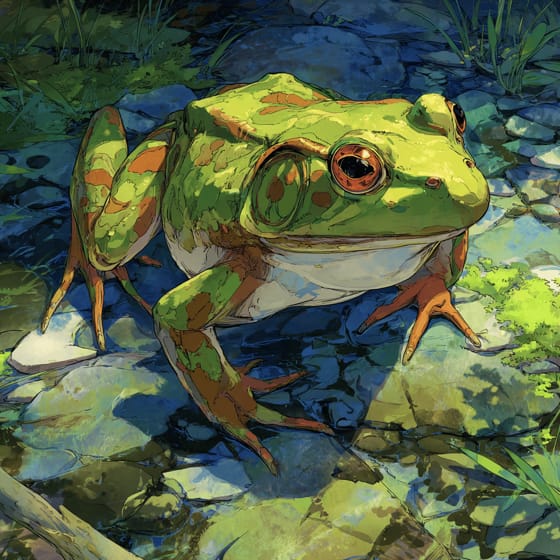
Rana catesbeiana
adult skimmers are prey for frogs
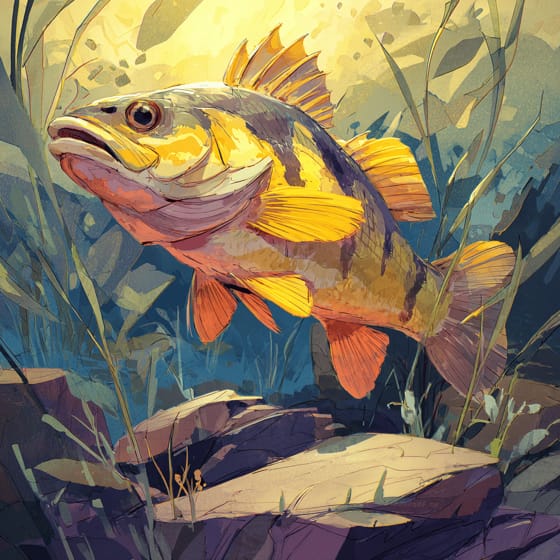
Perca flavescens
fish prey on the aquatic nymphs
Typha latifolia
nymphs hide in its submerged roots
Marked with spots or patches of a different color.
Solitary animals live alone for most of their lives, only interacting with others for mating or parental care.
Aerial creatures spend a significant portion of their lives airborne, utilizing flight for various activities such as hunting, migration, or nesting.
Colorful describes organisms or objects displaying a wide range of bright and distinct colors.

This trait identifies organisms whose diet primarily consists of insects and other small invertebrates.

This habitat trait identifies species found in wetlands, which are areas of land saturated with water, either permanently or seasonally, including marshes, swamps, and bogs.

Diurnal animals are primarily active during daylight hours, typically resting or sleeping at night.

Freshwater habitats include non-saline aquatic environments such as rivers, lakes, ponds, and wetlands, vital for numerous species.

This trait identifies organisms that exhibit exceptional swiftness in movement for hunting, escape, or travel.

Describes organisms that transfer pollen, enabling the fertilization and reproduction of plants.
No aliases listed yet.
Danger
1/5 · Very low
Dragonflies are friendly and won't hurt you, but it's best to watch them from a distance.
The easiest way to identify Twelve-spotted Skimmer is to use the Snappit nature identifier app.
80-110 mm
48-63 mm
30-60 days
50 km/h
This swift hunter zips through the air to snatch up tasty flying insects!
Wetlands
Ambush
Zoom in to split clusters and explore where this object has been snapped.
Jun 19, 2026
City ParkPhoto attribution
(c) Jared Lincenberg, some rights reserved (CC BY)
License: CC BY 4.0 ↗
Image may be shown cropped inside the card frame.

Massachusetts, US
You might spot Eastern Cottontail and American Robin.
View guide →

Massachusetts, US
You might spot Common Eastern Bumble Bee and Asian Lady Beetle.
View guide →

Colorado, US
You might spot Eastern Fox Squirrel, Bee, and Duck.
View guide →

New Mexico, US
You might spot Pronghorn, Great-Tailed Grackle, and Redstem Stork's-Bill.
View guide →

Virginia, US
You might spot Asian Lady Beetle, Spotted Lanternfly, and Christmas Fern.
View guide →

Illinois, US
You might spot Viceroy, Common Wood-Nymph, and Acadian Hairstreak.
View guide →
Take the discovery with you
Snap it with Snappit to identify it, learn what makes it special, and add the discovery to your collection.








.jpg&width=800)



